The best gaming PC for Control Resonant is an RTX 5070-class desktop with 12GB of VRAM, 32GB of memory and at least 1TB of SSD space, because that tier clears Remedy’s published ray-traced 1440p target with room to spare; the Skytech King 95 with an RTX 5070 Ti is the pick if you want to push higher. Nobody on the team used or measured these units. This guide is built from published specifications, manufacturer documentation and buyer reviews, and every game figure below comes from Remedy’s own support page.
Because the requirements are the whole story, start with what the developer says each tier needs, then match boxes to those tiers.
Our Top Picks
Top picks at a glance

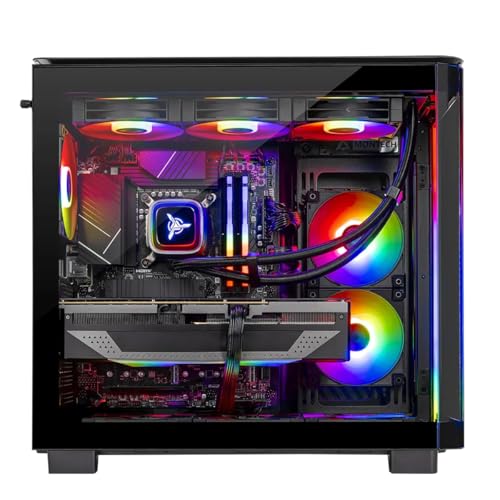
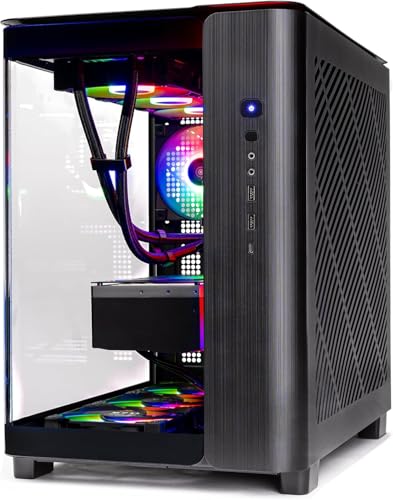
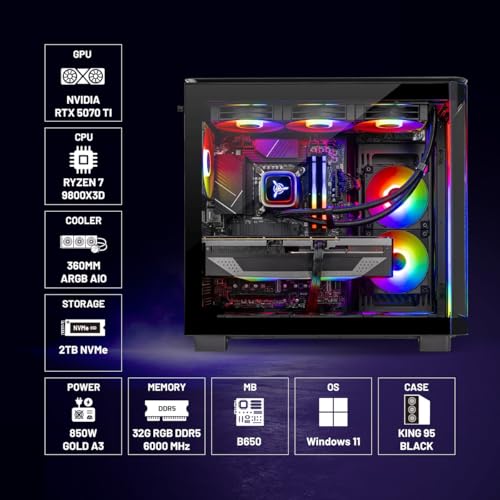
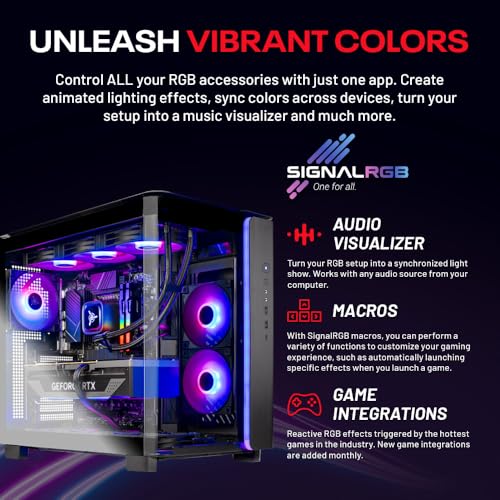
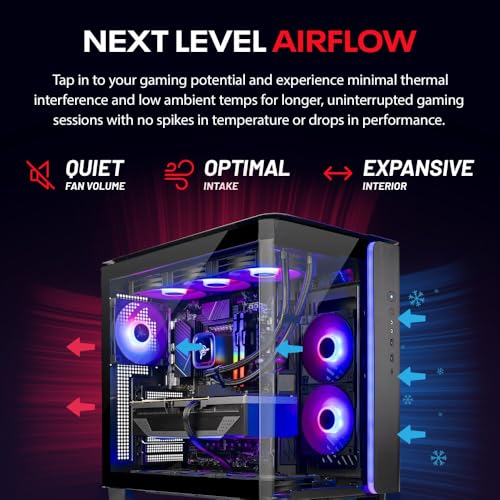
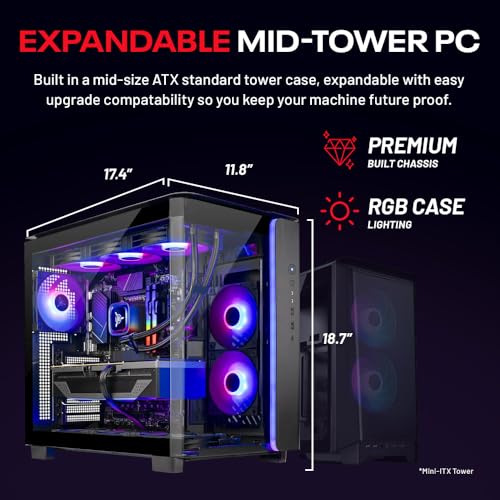
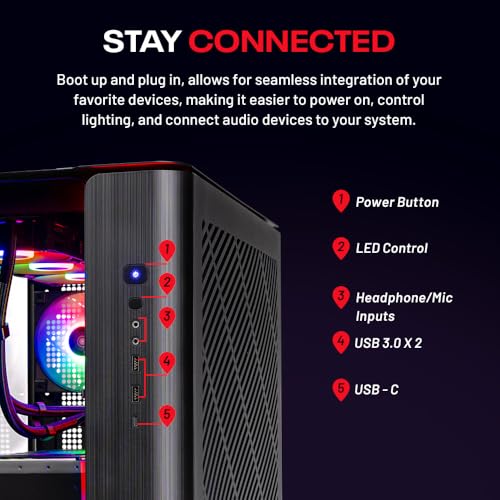
Skytech Gaming PC Desktop, Ryzen 7 9800X3D, RTX 5070 Ti, 32GB RAM, 2TB SSD | Windows 11, Gen4 NVMe SSD, DDR5 6000, 850W GOLD ATX 3 PSU, 360 ARGB AIO , Wi-Fi 5, King 95 Series


As an Amazon Associate we earn from qualifying purchases. Product prices and availability are accurate as of the date/time indicated.

msi Codex Z2 Gaming Desktop, AMD R7-8700F, RTX 5070, 32GB DDR5, 2TB SSD | NVIDIA GeForce RTX 5070, USB Type-C, VR-Ready, Windows 11 Home. Model A8NVP-436US


As an Amazon Associate we earn from qualifying purchases. Product prices and availability are accurate as of the date/time indicated.

msi Codex R2 Gaming Desktop PC | NVIDIA GeForce RTX 5070 12GB | Intel Core i5-14400F | 32GB DDR5 RAM | 1TB NVMe SSD | Air Cooling | Wi-Fi 6E | Windows 11 Home | VR Ready | D14NVP5-613US


As an Amazon Associate we earn from qualifying purchases. Product prices and availability are accurate as of the date/time indicated.
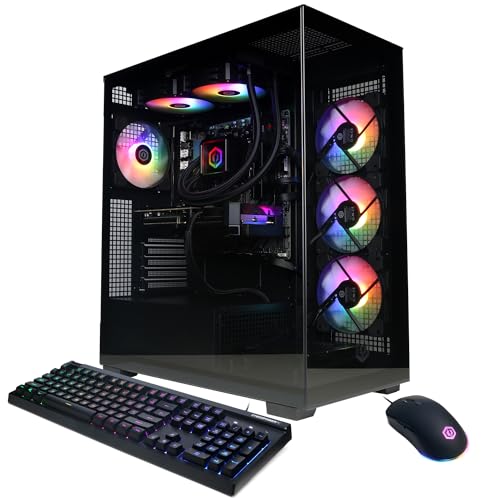
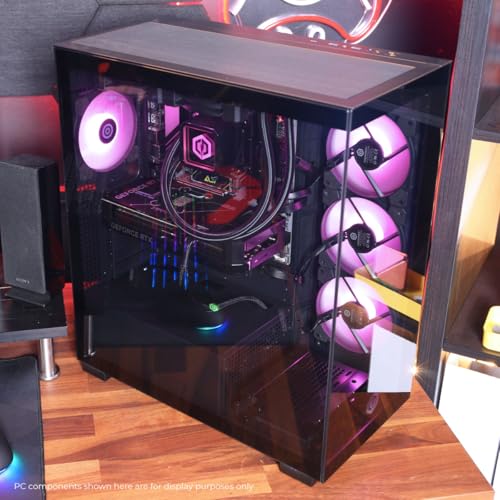
CyberPowerPC Gaming PC, AMD Ryzen 9 9900X, GeForce RTX 5070 12GB | Gamer Xtreme, 32GB DDR5, 1TB PCIe 4.0 SSD, WiFi Ready & Windows 11 Home (GXiVR8080A41)




As an Amazon Associate we earn from qualifying purchases. Product prices and availability are accurate as of the date/time indicated.

Cooler Master NR2 Pro Gaming PC Intel Ultra 7 + RTX 5070 Mini ITX PC | Intel Core Ultra 7 265F + NVIDIA RTX 5070 12GB Gaming PC, 32GB DDR5 6000MHz, 2TB M.2 SSD, 280mm AIO Cooler, Windows 11


As an Amazon Associate we earn from qualifying purchases. Product prices and availability are accurate as of the date/time indicated.
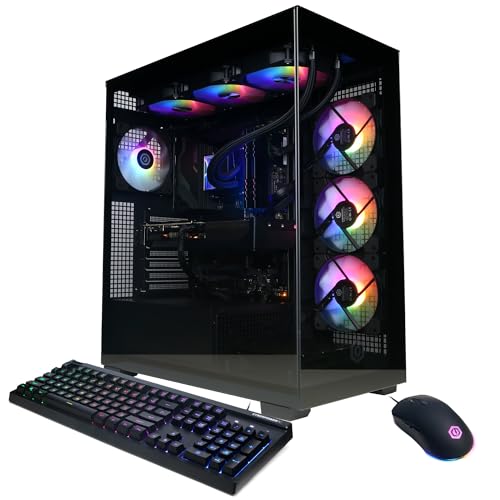
CyberPowerPC Gaming PC, Intel Core i9-14900KF, GeForce RTX 5070 12GB | Gamer Xtreme VR, 32GB DDR5, 2TB PCIe 4.0 SSD, WiFi Ready & Windows 11 Home (GXiVR8080A39)


As an Amazon Associate we earn from qualifying purchases. Product prices and availability are accurate as of the date/time indicated.
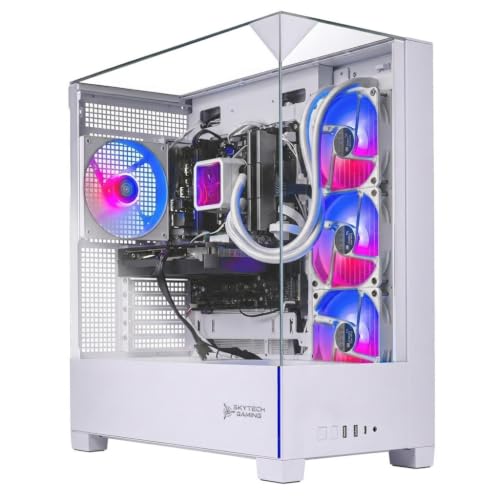
Skytech Gaming PC Desktop, Intel i7 14700F, RTX 5070, 32GB RAM, 1TB SSD | Windows 11, Gen4 NVMe SSD, DDR4 3200, 750W GOLD PSU, 360 ARGB AIO , Wi-Fi 5, Archangel 5 Series


As an Amazon Associate we earn from qualifying purchases. Product prices and availability are accurate as of the date/time indicated.

GIGABYTE AORUS Prime 5 Gaming Desktop PC, AMD Ryzen 7 9700X, RTX 5070, 32GB DDR5, 1TB PCIe 4.0 SSD, Windows 11, Black


As an Amazon Associate we earn from qualifying purchases. Product prices and availability are accurate as of the date/time indicated.
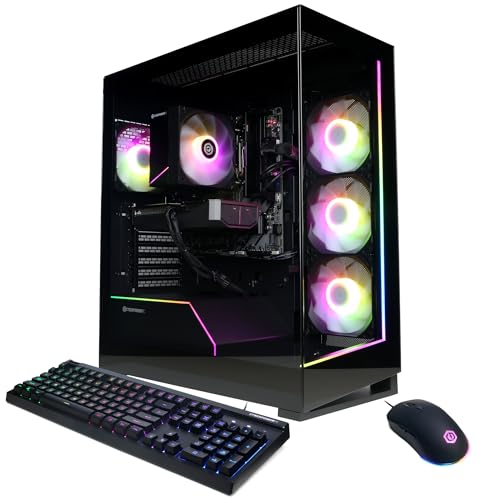
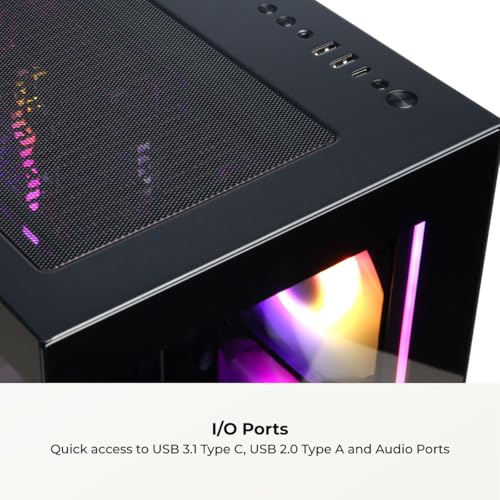
CyberPowerPC Gaming PC, AMD Ryzen 7 8700F, GeForce RTX 5060 Ti 8GB | Gamer Master, 16GB DDR5, 1TB PCIe 4.0 SSD, WiFi Ready & Windows 11 Home (GMA2900A3)




As an Amazon Associate we earn from qualifying purchases. Product prices and availability are accurate as of the date/time indicated.
| Desktop | Key point from the title | Price tier | Best for |
|---|---|---|---|
| Skytech King 95 | Ryzen 7 9800X3D, RTX 5070 Ti, 32GB DDR5, 2TB | Premium | Highest settings, ray tracing |
| msi Codex Z2 | Ryzen 7 8700F, RTX 5070, 32GB DDR5, 2TB | Mid | Balanced 1440p build |
| Cooler Master NR2 Pro | Core Ultra 7 265F, RTX 5070, mini-ITX, 280mm AIO | Mid-premium | Small footprint |
| GIGABYTE AORUS Prime 5 | Ryzen 7 9700X, RTX 5070, 32GB DDR5 | Mid | Efficient all-rounder |
| msi Codex R2 | Core i5-14400F, RTX 5070, 32GB DDR5, 1TB | Mid | Value-first 1440p |
| Skytech Archangel 5 | Core i7-14700F, RTX 5070, DDR4, 750W | Mid | Streaming plus play |
| CyberPowerPC GXiVR8080A41 | Ryzen 9 9900X, RTX 5070, 32GB DDR5 | Mid-premium | Mixed gaming and creator work |
| CyberPowerPC GXiVR8080A39 | Core i9-14900KF, RTX 5070, 2TB | Premium | CPU-heavy side jobs |
| Skytech Azure 3 | Core i5-14400F, RTX 5070, 16GB DDR4 | Budget | Tight budget, upgrade later |
| CyberPowerPC GMA2900A3 | Ryzen 7 8700F, RTX 5060 Ti 8GB, 16GB DDR5 | Budget | 1080p or non-RT 1440p |
What Remedy’s published tiers imply
Remedy’s support page describes several targets. The names and numbers below are as listed there at the time of writing; they can shift with patches, so confirm on the page before you buy.
| Target tier | GPU class named | VRAM | Which listings clear it |
|---|---|---|---|
| Minimum, 1080p, low | GTX 1070 class | 6GB | All ten |
| Recommended, 1440p, no ray tracing | RTX 3060 Ti class | 8GB | All ten |
| Ray tracing recommended, 1440p | RTX 4070 Ti or RX 9070 class | 10GB | Nine of ten (the 8GB 5060 Ti is the exception) |
| 4K without ray tracing | RTX 3080 class | 10GB | 5070 and 5070 Ti listings, with upscaling |
| 4K with path tracing | RTX 5080 class | Not listed here | None; step up from the 5070 Ti |
Two practical readings follow. First, a 12GB RTX 5070 sits in the ray-traced 1440p band on paper, but independent reviews should decide how close it gets to the 4070 Ti class. Second, nobody in this list reaches the path-traced 4K tier, so budget accordingly if that is your target.
The ten desktops, one at a time
Skytech King 95 (Ryzen 7 9800X3D, RTX 5070 Ti)
The only RTX 5070 Ti in the set, paired with a Ryzen 7 9800X3D, 32GB of DDR5 6000, a 2TB Gen4 NVMe drive, an 850W Gold ATX 3 power supply and a 360mm liquid cooler. The title lists Wi-Fi 5, which is dated for a machine at this level.
It targets ray-traced 1440p or upscaled 4K. If path tracing at 4K is the goal, Remedy’s list points above this card. Scenario: a player with a 1440p high-refresh monitor who wants ray tracing on without dropping texture quality will have headroom; someone with a 4K TV will lean on upscaling.
- Pros: Highest GPU tier in the group; 2TB SSD; strong power supply spec; generous liquid cooling.
- Cons: Wi-Fi 5 is old; the CPU is more than this game needs; premium price tier.
Also worth checking: the 850W ATX 3 rating suits a modern 12V-2×6 graphics connector, which is a point in its favor, and a 360mm radiator needs front or top clearance you should confirm if you ever move the build to a different case. Hardware at this level rarely limits the game; the monitor does, so a 1440p display at a high refresh rate is the natural match.
Question before buying: is the Wi-Fi card replaceable, or will you use Ethernet?
msi Codex Z2 (Ryzen 7 8700F, RTX 5070)
An RTX 5070, a Ryzen 7 8700F, 32GB of DDR5 and a 2TB SSD, with USB Type-C and VR-ready labels, model A8NVP-436US. The 8700F is an eight-core part and is a sensible match for a 12GB card at 1440p.
It is the sound middle: enough memory, enough storage, no waste on an oversized CPU. Scenario: a first-time prebuilt buyer who wants to install the game plus two or three others, and play at 1440p with ray tracing on.
- Pros: 2TB SSD at a mid price tier; DDR5 platform; balanced CPU and GPU.
- Cons: The F-suffix CPU has no integrated graphics, so a card issue leaves the PC without video; limited detail on cooler and PSU in the title.
It also helps to know that the title lists USB Type-C and VR readiness, which are nice extras but do not change game performance. Buyer reviews are the place to look for fan noise and build quality, because the title says nothing about cooler design, and an eight-core chip at this tier usually needs only modest cooling.
Question: which power supply brand and wattage does the seller specify?
Cooler Master NR2 Pro (Core Ultra 7 265F, RTX 5070)
A mini-ITX system with an Intel Core Ultra 7 265F, an RTX 5070 12GB, 32GB of DDR5 6000, a 2TB M.2 drive and a 280mm liquid cooler. Small cases trade easy upgrades for desk space.
Scenario: someone with a compact desk or a living-room setup who still wants ray-traced 1440p. Expect the machine to be harder to upgrade, and check noise reports in buyer reviews, since compact cases can run their fans harder.
- Pros: Small footprint; 2TB storage; strong CPU for the class.
- Cons: Limited internal room for upgrades; compact cooling can be noisy; platform may be harder to service.
Another point: mini-ITX boards typically offer fewer M.2 slots and memory slots than full-size boards, so the 2TB drive and 32GB kit are what you should plan to live with. Check the graphics card length and thickness against the case spec in the manual, since a compact case that ships with the card is fine but a later swap may not fit.
Question: how many M.2 slots and fan headers remain free?
GIGABYTE AORUS Prime 5 (Ryzen 7 9700X, RTX 5070)
The title gives a Ryzen 7 9700X, an RTX 5070, 32GB of DDR5 and a 1TB PCIe 4.0 SSD. The 9700X is an efficient eight-core part, which suits a game that is GPU-led.
Scenario: a gamer who wants a well-known brand and a cooler-running CPU. The 1TB drive is the thin spot: with a game that needs 120GB, you have room for a few titles, not a library.
- Pros: Efficient modern CPU; DDR5; recognizable brand.
- Cons: 1TB of storage; title says little about PSU and cooling; mid price tier for what is a fairly standard spec.
Gigabyte’s title does not mention the cooler or power supply, so read the product page for both. A well-matched 9700X and 5070 pair is easy to cool, and efficiency is a real benefit during long sessions, when a quieter machine is worth more than a few extra frames.
Question: is a second M.2 slot open for a later drive?
msi Codex R2 (Core i5-14400F, RTX 5070)
An RTX 5070 12GB with a Core i5-14400F, 32GB of DDR5, a 1TB NVMe SSD, air cooling, Wi-Fi 6E and VR-ready labels. This is the value path: money goes to the GPU and memory, not the processor.
Scenario: a 1440p player who prefers a lower price and plans to add storage later. The i5-14400F is a 10-core part, more than Remedy’s recommended CPU class on paper.
- Pros: 12GB GPU at a lower price tier; 32GB DDR5; Wi-Fi 6E.
- Cons: 1TB SSD; air cooler only; the platform is older Intel, so upgrade paths are limited.
Because the title mentions air cooling, check that the CPU cooler is a tower design instead of a stock-style unit; a ten-core part in a gaming load heats up. Buyer reviews will show whether the case has good front airflow, and whether the included fans are loud under load.
Question: is the 1TB drive sufficient, or will you buy an M.2 expansion right away?
Skytech Archangel 5 (Core i7-14700F, RTX 5070)
A Core i7-14700F, an RTX 5070, 32GB of RAM, a 1TB Gen4 SSD, DDR4 3200, a 750W Gold power supply, a 360mm liquid cooler and Wi-Fi 5. The DDR4 is a platform choice that keeps cost down but limits upgrades.
Scenario: someone who plays and streams or runs background apps, benefiting from a 20-core class CPU. The 750W supply is adequate for a card of this tier per general guidance, but verify with the card’s own power recommendation.
- Pros: Strong multi-core CPU; liquid cooling; 32GB RAM.
- Cons: DDR4 platform; 1TB storage; Wi-Fi 5.
Also consider that DDR4 platforms have a dead-end upgrade path: a later move to a newer processor means a new board and memory. For a console-style buy-and-play machine that matters little, but if you like to upgrade every couple of years, a DDR5 listing ages better.
Question: is the DDR4 kit in a dual-channel arrangement?
CyberPowerPC Gamer Xtreme (Ryzen 9 9900X, RTX 5070)
The model GXiVR8080A41 pairs a Ryzen 9 9900X with an RTX 5070 12GB, 32GB of DDR5 and a 1TB PCIe 4.0 SSD. The 12-core processor is a mismatch for the GPU if you only play games, but it makes sense for editing or compiling.
Scenario: a player who also edits video on the same machine. If gaming is the sole use, a cheaper CPU in another listing frees budget for storage.
- Pros: 12 cores; DDR5; room for creator workloads.
- Cons: CPU spend outweighs GPU for this game; 1TB storage; “WiFi Ready” wording is vague about the actual adapter.
A second consideration is power: a 12-core processor under a heavy rendering load draws noticeably more than an eight-core part, so confirm the power supply wattage in the product details. For game-only use none of this matters, and the system will idle at modest levels.
Question: what cooler does the seller include for a 12-core chip?
CyberPowerPC Gamer Xtreme VR (Core i9-14900KF, RTX 5070)
The GXiVR8080A39 combines a Core i9-14900KF with an RTX 5070, 32GB of DDR5 and a 2TB PCIe 4.0 SSD. The unlocked top-tier CPU is aimed at heavy multitasking, and the title does not name a cooler or power supply.
This is a strong example of spending in the wrong place for this game: the processor costs more than the title’s graphics card would suggest. Intel issued microcode updates for stability on high-end 13th and 14th-generation chips, so confirm the BIOS is current.
- Pros: 2TB SSD; very capable CPU; 32GB DDR5.
- Cons: Unspecified cooler and PSU; CPU overkill for the game; potential heat and power draw.
If you do buy it, update the BIOS first, enable the manufacturer’s recommended power limits and treat the 2TB SSD as the best part of the package. For game-only use, a cheaper processor elsewhere in this list delivers nearly the same experience.
Question: what cooler and PSU model come in the box?
Skytech Azure 3 (Core i5-14400F, RTX 5070, 16GB DDR4)
The cheapest RTX 5070 route here: Core i5-14400F, 16GB of DDR4 3200, a 1TB Gen4 SSD and an 850W Gold ATX 3 power supply. Sixteen gigabytes meets Remedy’s listed requirement, but only just.
Scenario: a buyer who wants the GPU now and plans to add RAM later. The power supply has room for upgrades. Treat the 16GB as the first thing to improve.
- Pros: Low entry price tier for a 12GB GPU; strong PSU; Gen4 SSD.
- Cons: 16GB DDR4 is the bare minimum; 1TB storage; DDR4 limits future platform upgrades.
Another reason this model works as a stepping stone is the 850W power supply: it leaves room for a future graphics-card upgrade without replacing the supply. Spend the savings on a second 16GB DDR4 kit and the main weakness disappears.
Question: does the board have free DIMM slots for a memory upgrade?
CyberPowerPC Gamer Master (Ryzen 7 8700F, RTX 5060 Ti 8GB)
The weakest graphics card in the list: an RTX 5060 Ti with 8GB, a Ryzen 7 8700F, 16GB of DDR5 and a 1TB PCIe 4.0 SSD (GMA2900A3). It meets Remedy’s non-ray-traced recommended tier on paper but falls below the 10GB listed for ray-traced 1440p.
Scenario: a 1080p or 1440p player who keeps ray tracing off. If ray tracing matters, step up to a 12GB card.
- Pros: Lowest price tier; DDR5; modern CPU.
- Cons: 8GB VRAM limits ray tracing; 16GB RAM; 1TB drive.
It still gets you a modern CPU and fast storage, and its 8GB class matches the tier Remedy lists for non-ray-traced play. The risk is future patches or higher texture settings that push past the 8GB mark, which would force you to lower quality settings.
Question: will you accept turning ray tracing off in return for a lower price?
How to choose for this game
GPU tier and VRAM first
Ray-traced action games lean hard on the graphics card, and VRAM is the line between “runs” and “runs well.” Remedy’s tiers are 8GB for the plain recommended target and 10GB for ray-traced 1440p. A 12GB card clears both with margin. Upscaling lowers the render resolution, so it is the lever that lets a mid-tier card reach a higher output resolution, at some cost to sharpness.
CPU pairing without overpaying
The CPU class Remedy names is old by today’s standards, so any processor here is sufficient. Extra money on a 14900KF or 9900X buys little in this specific game. Put it into a bigger SSD or a better GPU tier.
RAM and storage
Sixteen gigabytes is the stated requirement, but 32GB is more comfortable. Storage is the other trap: 120GB for one game on a 1TB drive is manageable, but not alongside several other big titles.
| Spec concept | What to look for | Why it matters |
|---|---|---|
| VRAM | 12GB for ray tracing | Remedy lists 10GB for ray-traced 1440p |
| CPU | Anything above the listed class | Extra cores add little here |
| RAM | 32GB preferred | 16GB is the minimum, no headroom |
| SSD | 1TB minimum, 2TB comfortable | 120GB install plus other games |
| Power supply | Named brand, ATX 3 style | Safer for modern GPU connectors |
| Cooling | Liquid or large air cooler | Keeps clocks steady in long sessions |
Upscaling, ray tracing and what to set first
Remedy’s tiers assume upscaling at the higher resolutions, so treat it as part of the plan instead of a fallback. The usual approach is to pick the output resolution of your monitor, enable the upscaler at a balanced or quality setting, and then decide on ray tracing last. A mid-tier card gains more from upscaling than from trimming individual sliders. If frame pacing looks uneven, lower the ray-tracing quality before textures, because texture quality mostly costs VRAM, not frame rate, and 12GB cards have room for it. Keep the graphics driver and the game updated, as patches can change both requirements and performance.
Which box for which player
| Player | Target | Best match |
|---|---|---|
| Wants ray tracing and high settings at 1440p | Ray-traced 1440p | Skytech King 95 |
| Balanced, sensible spend | 1440p with ray tracing | msi Codex Z2 or AORUS Prime 5 |
| Small desk | 1440p in a compact case | Cooler Master NR2 Pro |
| Tight budget, upgrades planned | 1440p, add RAM later | Skytech Azure 3 or msi Codex R2 |
| Creator plus gamer | Gaming and editing | CyberPowerPC Ryzen 9 or Skytech Archangel 5 |
| 1080p, ray tracing off | Non-RT target | CyberPowerPC RTX 5060 Ti |
A worked example: how much SSD you need
Illustrative assumptions: a 1TB drive shows roughly 930GB usable after formatting; Windows, drivers and launchers take about 100GB; Control Resonant uses the 120GB Remedy lists; and each other large game averages 80GB.
| Step | Calculation | Result |
|---|---|---|
| Usable space | 1TB drive | about 930GB |
| Minus system and apps | 930 – 100 | 830GB |
| Minus Control Resonant | 830 – 120 | 710GB |
| Other large games that fit | 710 / 80 | 8 titles, with no spare room for patches |
| Practical keep-free margin | about 140GB kept free (15 percent of the drive) | Leaves about 7 titles in practice |
On a 2TB drive the same math yields roughly double, so the two-terabyte listings need no immediate expansion.
Mistakes buyers make with prebuilts
| Mistake | Fix |
|---|---|
| Paying for a flagship CPU and getting a mid GPU | Compare GPU tier first, CPU second |
| Ignoring 8GB versus 12GB VRAM | Choose 12GB if ray tracing matters |
| Accepting 16GB RAM as final | Plan an upgrade or buy 32GB |
| Overlooking an unnamed power supply | Ask for the PSU brand and model |
| Assuming DDR4 and DDR5 are equal for upgrades | Check the platform’s long-term path |
| Trusting a listing title as the full spec | Open the maker’s page and the PDF |
Verdict by use case
For most players, the msi Codex Z2 is the sensible RTX 5070 pick, with the Skytech King 95 as the premium step up for higher settings. The Skytech Azure 3 is the budget route if you will upgrade the memory. The CyberPowerPC RTX 5060 Ti is for non-ray-traced play only. Remedy’s requirements can change, so confirm the numbers on its support page before you order.
Related guides
- Gaming Chair Cushions And Lumbar Supports
- Business Laptops With Long Battery Life
- Warranty Considerations When Buying On Sale
Frequently asked questions
What GPU do I need to play Control Resonant at 1440p?
Remedy’s published tiers put the non-ray-traced 1440p, 60 fps target at an RTX 3060 Ti class card with 8GB of VRAM, while the ray-traced 1440p target moves up to an RTX 4070 Ti or Radeon RX 9070 class with 10GB. Every desktop here with an RTX 5070 or 5070 Ti sits at or above that tier on paper. Requirements can change with patches, so check Remedy’s support page before buying.
Is 8GB of VRAM enough for Control Resonant?
Remedy lists 8GB for its non-ray-traced recommended tier and for the ray-traced minimum, and 10GB for ray-traced 1440p. That means 8GB works at modest settings, but it leaves little room once you add ray tracing, higher texture settings and a large monitor. If you want ray tracing, the 12GB RTX 5070 desktops are the safer choice.
Do I need a Ryzen 7 9800X3D for this game?
No. Remedy’s recommended tier names a Core i7-10700 or Ryzen 7 3700X class processor, which every CPU in this list exceeds. A 9800X3D is a luxury that helps in CPU-limited games and high frame rates. For this title, spending the difference on the graphics card is usually the better trade.
How much SSD space does Control Resonant need?
Remedy’s support page lists 120GB of free SSD space at the time of writing. A 1TB drive leaves room for Windows, a handful of other large games and updates, but not a sprawling library. If you install many big titles, favor the 2TB configurations or plan to add an M.2 drive later.
Is 16GB of RAM enough?
Remedy’s listed requirement is 16GB, so the game itself runs on it. A modern Windows install with a browser, launcher and overlay open will consume part of that, and 32GB gives more breathing room for ray tracing and future patches. Two of the listings here have 16GB, which is the minimum, not a comfortable level.
Should I buy a prebuilt or build my own for this game?
A prebuilt saves time and includes a warranty, but you pay a premium and sometimes get unnamed parts. Building gives control over the power supply and cooler. If you buy a prebuilt, ask for the exact model numbers of the PSU and memory, and check what the warranty covers.
Related guides
More from Amazon
Programs that pair well with the guide above. Offers and eligibility are set by Amazon and may change.
Free shipping on eligible items, Prime Video and more. Eligible new members can start with a free trial.
Start a Prime free trialAd-free music streaming. Eligible new subscribers can start with a free trial.
Try Music Unlimited freeA Prime membership for ages 18-24 with a trial period. Eligibility is set by Amazon.
See Prime for Young AdultsAudiobooks and podcasts to listen to on the go. Eligible new members can start with a free trial.
Try Audible freeAs an Amazon Associate we earn from qualifying purchases.