
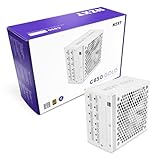
For most gaming builds, an 850W fully modular ATX 3.1 unit with a native 12V-2×6 cable, such as the Corsair RM850x or the Seasonic Focus GX-850, is the safest choice, while a 1000W-class unit suits an RTX 50-series flagship and a compact SFX model like the NZXT C850 SFX Gold suits small cases. ATX 3.1 is the current revision of the power supply standard, and it matters mainly because it tightens how a PSU handles brief GPU power spikes and replaces the older 12VHPWR connector with the updated 12V-2×6 design.
As an Amazon Associate we earn from qualifying purchases at no extra cost to you.


Our Top Picks


Top 3 picks at a glance
At a Glance: ATX 3.1 Power Supplies Reviewers Mention
| Model | Wattage | Best for | Key stated features | Limits |
|---|---|---|---|---|
| Corsair RM850x / RM1000x | 850W / 1000W | Most gaming builds | Native 12V-2×6 cable, Cybenetics Gold efficiency (per roundups) | Not the cheapest in its class |
| Seasonic Focus GX-850 / GX-1000 | 850W / 1000W | Buyers who value warranty length | Fully modular, 80 PLUS Gold, 12V-2×6 connector, 10-year warranty listed in guides | Standard ATX depth may not suit tiny cases |
| be quiet! Pure Power 13 M | Several ratings | Quiet builds | Fully modular, semi-passive cooling, 12V-2×6 rated for 450W (per Tom’s Hardware’s list) | 450W connector rating is lower than the 600W maximum |
| MSI MAG A750GL / A850GL PCIE5 | 750W / 850W | Value-focused builds | ATX 3.1, native 12V-2×6 | Fewer premium touches |
| Rosewill VMG850 | 850W | Budget-conscious 850W buyers | 80 PLUS Gold, fully modular, native 12V-2×6, five-year warranty | Less established in high-end reviews |
| Thermaltake Smart BM3 | 650W | Midrange GPU builds | Semi-modular, native 12V-2×6, five-year warranty | Too small for a top-tier GPU |
| NZXT C850 SFX Gold | 850W | Small-form-factor cases | SFX size, Gold efficiency | SFX cabling is shorter |
| Lian Li RS1200G | 1200W | High-end single-GPU rigs | Voltage regulation under 1% on rails, 12V-2×6 (per Tom’s Hardware) | Larger than most builds need |
| MSI MPG Ai1600TS | 1600W | Workstations and dual GPU | 80 PLUS Titanium, two 12V-2×6 connectors rated 600W each | Premium tier, usually overkill for gaming |
Check each maker’s listing for the exact revision, because some older models share names with the newer ATX 3.1 versions.
What ATX 3.1 Changes
The 12V-2×6 connector
The ATX 3.1 specification tells designers to use the 12V-2×6 connector rather than the earlier 12VHPWR. The connector is specified for up to 600W, against 525W cited for 12VHPWR in some descriptions. The new design shortens the sense pins so the card only draws full power when the plug is seated, which is intended to reduce the risk of partial insertion. The practical advice is the same as before: push the plug fully home, avoid sharp bends right at the connector, and follow the graphics card maker’s instructions.
Power excursion handling
Modern GPUs can spike well above their rated power for fractions of a millisecond. ATX 3.x supplies are designed to tolerate these excursions, and ATX 3.1 refines the requirements. The result is fewer surprise shutdowns when a high-end card ramps up. If you run a 12V-2×6 GPU, a supply with a native cable avoids adapters, which are one more potential failure point.
Hold-up time and efficiency
ATX 3.1 asks for longer hold-up time, which is how long the PSU keeps outputs stable after losing mains power. This helps ride through small dips. Efficiency ratings from 80 PLUS and Cybenetics are separate and are worth reading together: a higher tier usually means lower heat and quieter operation at load, but the difference in electricity use for a typical gaming PC is modest.
Choosing the Right Wattage
| Build type | Typical wattage class | Notes |
|---|---|---|
| Mid-range GPU with mainstream CPU | 650W to 750W | Check the GPU maker’s recommended PSU figure |
| High-end GPU with Ryzen 9800X3D or Intel Core Ultra 200S | 850W | Comfortable headroom for spikes |
| Flagship RTX 50-series GPU | 1000W and up | Follow the card maker’s stated requirement |
| Workstation or dual GPU | 1200W to 1600W | Look for multiple 12V-2×6 connectors |
The graphics card maker publishes a recommended PSU wattage; use that figure and add headroom if you overclock or run many drives and fans. Efficiency is usually best between half and three-quarters of the rated load, so oversizing by a huge margin brings little benefit.
Fit and Compatibility Notes
- Form factor: Standard ATX units fit most mid-tower cases. SFX and SFX-L units suit compact cases; check the case specification for supported PSU length.
- Cable length: Large cases need longer cables for the CPU and GPU connectors. Check the maker’s cable list.
- Connectors: Count the PCIe 8-pin and 12V-2×6 connectors against your GPU. Cards that use 8-pin connectors need those outputs, not only a 12V-2×6.
- Modularity: Fully modular units simplify cable management and airflow; semi-modular units are cheaper and fine for simple builds.
- Older GPUs: An ATX 3.1 unit works with older cards via the standard PCIe 8-pin cables.
- Warranty: Reviewers often cite warranty length as a proxy for build confidence; five to twelve years are common among the models listed.
Budget Tiers
- Budget: MSI MAG A750GL, Thermaltake Smart BM3 and Rosewill VMG850 offer a native 12V-2×6 cable at modest cost, usually with simpler cooling and less refined ripple suppression.
- Mid-range: Corsair RM850x, Seasonic Focus GX-850 and be quiet! Pure Power 13 M are the models most often named for mainstream gaming PCs.
- Premium: Lian Li RS1200G, MSI MPG Ai1600TS and the Seasonic Prime TX-1600 Noctua Edition target high-end systems with long warranties and top efficiency grades.
Pick X If… Decision Table
| Pick this | If you… |
|---|---|
| Corsair RM850x | want a widely recommended 850W for a high-end gaming build |
| Seasonic Focus GX-850 | want a long warranty and a fully modular unit |
| be quiet! Pure Power 13 M | value low noise and semi-passive operation |
| MSI MAG A850GL PCIE5 | want ATX 3.1 with a native cable at a lower cost |
| NZXT C850 SFX Gold | are building in a small-form-factor case |
| Lian Li RS1200G | run a flagship GPU and want extra headroom |
| MSI MPG Ai1600TS | need a workstation or dual-GPU supply |
Alternatives
- ATX 3.0 units with native 12VHPWR: Still functional, but the 12V-2×6 design is the current specification, so choose it when buying new.
- Adapters: A GPU-supplied adapter works, but a native cable is cleaner and removes a connection point.
- Reusing an existing quality PSU: A recent, well-reviewed 750W or 850W unit with enough 8-pin outputs may serve a mid-range GPU perfectly well.
Safety and Installation Tips
Unplug the supply and switch it off before working inside the case. Use only the cables that came with the unit, since modular cable pinouts differ between brands and models; mixing them can damage components. Seat the 12V-2×6 plug fully, leave some slack before the first bend, and consult the GPU manual. If you smell burning, see discolouration at a connector or have repeated shutdowns, stop using the system and contact the maker or a qualified technician. For mains wiring or electrical faults in the building, call a licensed electrician.
Cybenetics, 80 PLUS and Noise Ratings
Two testing systems appear in most PSU reviews. 80 PLUS grades efficiency at set loads, while Cybenetics also publishes a separate noise rating, which helps if you want a quiet PC. Semi-passive fan modes keep the fan stopped at low load and suit a quiet room, but the fan will spin up during long gaming sessions. If you plan to run a graphics card at heavy load for hours, read the reviewer’s noise charts rather than relying on the efficiency badge alone.
Warranty and Support
A power supply failure can damage other parts, so warranty terms deserve attention. Several of the models above carry five to twelve years of coverage according to roundups. Read the maker’s terms on replacement, shipping and any connected-equipment cover, and keep the original box and cables for the whole warranty period.
Frequently Asked Questions
Do I need an ATX 3.1 power supply?
You do not strictly need one if you have an older GPU, but it is the sensible choice for a new build or any card that uses the 12V-2×6 connector. It offers native cables and updated spike handling.
Is 12V-2×6 different from 12VHPWR?
The two look similar, but 12V-2×6 shortens the sense pins and slightly changes the contact design to make partial insertion less likely. The pin layout is compatible, and cards using either connector usually work with either cable, subject to the makers’ guidance.
How many watts do I need for an RTX 50-series card?
Use the wattage the card’s maker lists as the recommended PSU. Many high-end builds land at 850W to 1000W or more, and a lower-tier card often needs less.
Can I use my old PSU with a new graphics card?
Often yes, if it has enough wattage and the right connectors. If the card needs a 12V-2×6 connector and your supply lacks one, use the adapter supplied by the card maker or upgrade to a native-cable unit.
Is 80 PLUS Platinum worth it over Gold?
Platinum units waste a little less energy as heat and can be quieter, but the savings in electricity are small for a typical gaming PC. Build quality and warranty matter more than the efficiency tier for most buyers.
What is the difference between ATX and SFX supplies?
SFX units are smaller and designed for compact cases, with shorter cables and often a smaller fan. ATX units are larger and more common. Match the form factor to the case’s specification.
Related guides
More from Amazon
Programs that pair well with the guide above. Offers and eligibility are set by Amazon and may change.
Free shipping on eligible items, Prime Video and more. Eligible new members can start with a free trial.
Start a Prime free trialAd-free music streaming. Eligible new subscribers can start with a free trial.
Try Music Unlimited freeA Prime membership for ages 18-24 with a trial period. Eligibility is set by Amazon.
See Prime for Young AdultsAudiobooks and podcasts to listen to on the go. Eligible new members can start with a free trial.
Try Audible freeAs an Amazon Associate we earn from qualifying purchases.


