Kids who love games often love music for the same reasons. Both are built on patterns, timing, and small wins that stack up over time. A flute turns breath and finger moves into real tunes, away from a screen. It is quiet enough for home practice, light enough for small arms, and rewarding from the very first clear note.
This guide gathers five flutes for children at different ages and stages: a sturdy student concert flute for school band, a value pick with the same core features, a complete budget kit, a feather-light plastic flute for younger players, and a simple recorder for the youngest beginners. Each one is easy to hold, easy to care for, and ready to play.
As an Amazon Associate, we earn from qualifying purchases.
Top 3 picks at a glance

What to look for in a flute for kids
Start with closed holes. A closed hole flute covers each tone hole with a key, so a child can focus on breath and finger placement instead of sealing holes with fingertips. Open hole models come later, once a teacher suggests the step up. All of the concert flutes here use closed holes.
Check the size and weight before anything else. A full concert flute suits most children from around age eight or nine, while younger children do better with a shorter, lighter instrument or a curved headjoint. A curved headjoint shortens the reach and eases strain on the neck and shoulders.
Look at the key layout. An offset G key sits slightly forward and feels more natural for smaller hands. A split E mechanism helps the high E note speak cleanly, which is a note beginners meet early in band music. A C footjoint is standard for student flutes and covers the range a young player needs.
Material matters for durability and care. Silver-plated nickel silver and cupronickel bodies are the usual choices for student flutes, and both hold up well to daily school use. Plastic flutes are lighter still and can be washed, a smart pick for very young children. A recorder made from ABS resin gives the same easy-clean benefit for classroom play.
A complete kit saves a lot of hassle. At a minimum, look for a hard case, a cleaning rod, and a cloth, with a stand, gloves, joint grease, and a fingering chart as welcome extras. After playing, a quick swab removes moisture, and storing the flute in its case keeps keys and pads protected.
Finally, match the instrument to the plan. If a child is joining a school band, ask the teacher which type the class uses, since band flutes and classroom recorders serve different roles. For recorder lessons, note whether the school asks for German or Baroque fingering, because the two systems finger some notes differently.
1. Yamaha YFL-222 Student Flute
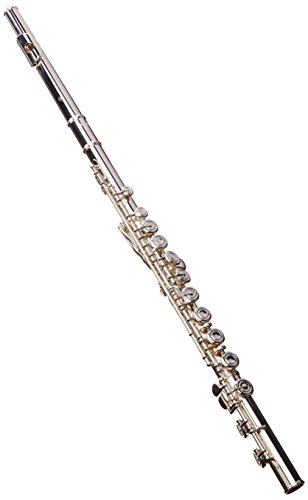
The Yamaha YFL-222 is the classic first concert flute, steady and forgiving. Its silver-plated nickel silver body has a smooth, clear tone for band music, solo practice, and group lessons alike. Closed hole keys make early fingering simpler, the offset G key keeps small hands relaxed, and a split E mechanism helps high notes come out cleanly.
Build quality is where this flute stands apart. The keys are hand-assembled and feel even across all sixteen keys, so a child can move between notes without fighting stiff or loose keys. The included case protects the instrument on the trip to school and back.
This is the right pick for a child joining a school band or taking weekly lessons with a clear plan to keep playing. It avoids the wobbles and weak tone that make some beginners lose heart, so for a family that wants one solid instrument rather than a quick trial, the YFL-222 is the safest starting point here.
Specs
| Feature | Detail |
|---|---|
| Brand | Yamaha |
| Model | YFL-222 |
| Instrument | Student concert flute |
| Body material | Silver-plated nickel silver |
| Hole type | Closed hole |
| Keys | 16, with offset G and split E |
| Footjoint | C footjoint |
| Includes | Case |
| ASIN | B01DD4MIPY |
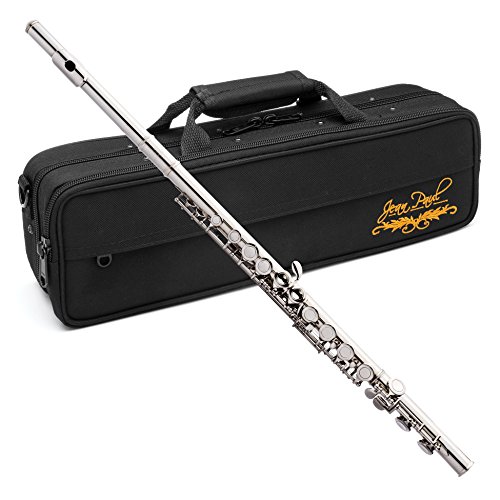
2. Jean Paul USA FL-220 Student Flute
The Jean Paul USA FL-220 gives young players the same core student features as the leading band flutes at a friendlier level of commitment. Its silver-plated cupronickel body, headjoint, footjoint, and keys share one warm finish, and the closed hole layout keeps early fingering simple, with an offset G key for smaller hands and a split E mechanism that helps high notes speak.
Jean Paul shapes its student keywork with power-forged keys for a firm, even feel, and each flute is checked and adjusted by technicians before it ships, so it should arrive ready to play. The semi-hard case, cleaning cloth, and cleaning rod cover the daily routine, and the one-year warranty adds peace of mind for parents buying a first instrument.
This flute fits a child who is serious about band but whose family wants to keep the first outlay sensible. It plays like a proper student instrument, with the features a teacher will look for at the start of the school year. For a balance of build, features, and value, the FL-220 is a strong middle choice.
Specs
| Feature | Detail |
|---|---|
| Brand | Jean Paul USA |
| Model | FL-220 |
| Instrument | Student concert flute |
| Body material | Silver-plated cupronickel |
| Hole type | Closed hole |
| Keys | Offset G and split E |
| Footjoint | C footjoint |
| Includes | Semi-hard case, cleaning cloth, cleaning rod |
| Warranty | One year |
| ASIN | B006WAVPEM |
3. Cecilio Closed Hole C Flute
The Cecilio Closed Hole C Flute is a complete starter kit for families who want everything in one box. The nickel flute has sixteen closed hole keys with an offset G and a split E mechanism, the same beginner-friendly layout found on pricier student models, and a bright, clear tone for band practice and home lessons.
What makes this pick stand out is the size of the kit. The box holds a case, a stand, cleaning accessories, gloves, and a pocketbook with basic technique and care guidance, so a child can set the flute down safely, wipe it down after practice, and learn the care routine without extra shopping trips. The stand keeps the flute off tables and floors where accidents happen.
This is a good choice for a child trying the flute for the first time who may need a term or two to decide whether to stick with it. It covers the basics well and leaves room in the family budget for lessons and sheet music. For a first flute with nothing missing, Cecilio is hard to beat.
Specs
| Feature | Detail |
|---|---|
| Brand | Cecilio |
| Model | Closed Hole C Flute |
| Instrument | Beginner and intermediate concert flute |
| Body material | Nickel |
| Hole type | Closed hole |
| Keys | 16, with offset G and split E |
| Instrument key | C |
| Includes | Case, stand, cleaning accessories, gloves, pocketbook |
| ASIN | B07V5XBJZK |
4. Nuvo Student Flute 2.0

The Nuvo Student Flute 2.0 is the lightest real flute in this guide, and that lightness changes everything for younger players. Its waterproof ABS plastic body weighs far less than a metal flute and can be washed after use, and drops and bumps that would dent a metal body are far less of a worry.
Despite the plastic build, this is a true transverse flute in the key of C, not a whistle or a toy. The kit includes a curved headjoint option that brings the mouthpiece closer, so children with shorter arms can hold a comfortable posture instead of stretching, plus the standard straight headjoint for later, as arms lengthen. Keys are simple and well spaced, and the instrument is easy to take apart, clean, and put back together.
Pick this flute for a younger child, roughly ages five to eight, or for any beginner who struggles with the weight and reach of a metal concert flute. It is also a handy second instrument for travel, outdoor practice, and music camps. For small hands and early confidence, the Nuvo is the friendliest start here.
Specs
| Feature | Detail |
|---|---|
| Brand | Nuvo |
| Model | Student Flute 2.0 |
| Instrument | Beginner transverse flute |
| Body material | Waterproof ABS plastic |
| Hole type | Closed hole |
| Instrument key | C |
| Headjoint | Straight and curved headjoint options |
| Color | Black |
| Includes | Case and headjoint set |
| ASIN | B07KR8QTFQ |
5. Yamaha YRS-23 Soprano Recorder

The Yamaha YRS-23 is the recorder most school music rooms reach for, and the gentlest first step into wind instruments. It is a soprano recorder in the key of C with German fingering, the system many schools use because it makes the early F note easier for children, and its three-piece ABS resin body is tough and easy to clean.
Double holes for the low C and D notes help those notes sound in tune, a common stumbling block for beginners. The straight windway gives a clear, steady tone, and the recorder comes with a cotton bag and a fingering chart, so a child can carry it to class and practice at home with a guide close by.
Choose the YRS-23 for a child under eight, for a classroom requirement, or as a low-commitment way to find out whether wind instruments click. It teaches breath control, finger patterns, and reading music, and those skills carry straight over to the concert flute later.
Specs
| Feature | Detail |
|---|---|
| Brand | Yamaha |
| Model | YRS-23 |
| Instrument | Soprano recorder |
| Body material | ABS resin |
| Fingering system | German |
| Instrument key | C |
| Sections | Three-piece |
| Includes | Cotton bag, fingering chart |
| ASIN | B0014ZG676 |
FAQ
What age is best for a child to start learning the flute?
Most children start the concert flute between ages eight and ten, when their arms can reach the keys comfortably. Younger children can begin with a recorder or a light plastic flute with a curved headjoint, then move to a metal flute when they grow taller.
Is a closed hole flute better for a beginner?
Yes, a closed hole flute is the usual recommendation for beginners. The keys cover the tone holes fully, so a child can focus on breath, posture, and finger placement. Open holes are a later step for advancing players.
Does my child need a curved headjoint?
A curved headjoint helps when a child has short arms or finds the stretch to a straight flute tiring, bringing the mouthpiece closer and easing strain on the neck and shoulders. Many children outgrow the need for one within a year or two.
How should we care for a flute after practice?
Swab the inside with a cleaning rod and cloth after each session to remove moisture, wipe the outside gently, and store the flute in its case. Keep it away from damp rooms and direct heat, and have a teacher check the pads and keys if notes start to sound fuzzy.
Final verdict
For a child joining a school band, the Yamaha YFL-222 is the pick to beat, with the Jean Paul FL-220 close behind for families watching the budget. Younger beginners will have more fun with the light, washable Nuvo Student Flute, while the Cecilio kit covers every accessory a first-timer needs. For the very youngest players, the Yamaha YRS-23 recorder is the simplest way to start making music today.
Product and ASIN Reference
| Product | ASIN |
|---|---|
| Yamaha YFL-222 Student Flute | B01DD4MIPY |
| Jean Paul USA FL-220 Student Flute | B006WAVPEM |
| Cecilio Closed Hole C Flute | B07V5XBJZK |
| Nuvo Student Flute 2.0 | B07KR8QTFQ |
| Yamaha YRS-23 Soprano Recorder | B0014ZG676 |
Related guides
More from Amazon
Programs that pair well with the guide above. Offers and eligibility are set by Amazon and may change.
Free shipping on eligible items, Prime Video and more. Eligible new members can start with a free trial.
Start a Prime free trialAd-free music streaming. Eligible new subscribers can start with a free trial.
Try Music Unlimited freeA Prime membership for ages 18-24 with a trial period. Eligibility is set by Amazon.
See Prime for Young AdultsAudiobooks and podcasts to listen to on the go. Eligible new members can start with a free trial.
Try Audible freeAs an Amazon Associate we earn from qualifying purchases.