
The best time to buy gaming gear on sale depends on the category: GPUs and laptops bottom out around Black Friday and post-CES clearance in January-February, while headsets, chairs, and peripherals hit their lowest prices during Prime Day-adjacent sales in July and back-to-school pushes in August. Hitting the right month typically saves 15-40% over buying on impulse, but only if you verify the discount is real first.
As an Amazon Associate we earn from qualifying purchases at no extra cost to you.


Our Top Picks
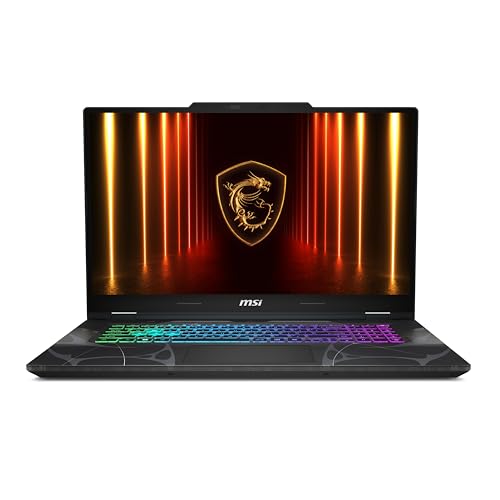 msi Cyborg 17 17.3" FHD 144Hz Gaming Laptop:Core 7-240H15.7 x 0.87 x 10.15 inches5.29 PoundsCheck on Amazon

The month-by-month price calendar
Street prices for gaming gear don’t drop randomly. Retailers and manufacturers clear inventory on predictable cycles tied to new product launches, fiscal quarters, and seasonal sales events. Here’s how that maps across categories.
| Category | Best month(s) | Typical discount depth | Why |
|---|---|---|---|
| GPUs | Nov (Black Friday), Jan-Feb | 10-25% | Clearance before new generation launches and post-holiday inventory dump |
| Gaming laptops | Nov, late May-June | 15-30% | Black Friday plus pre-back-to-school refresh clearing older chassis |
| Headsets | July, Nov | 20-40% | Mid-year sales events and Black Friday overlap with accessory margins |
| Gaming chairs | July, Jan | 25-45% | Deep accessory discounts in summer sales and post-holiday returns restocked as open-box or clearance |
| Peripherals (mice, keyboards) | July, Aug, Nov | 20-35% | Back-to-school bundles and Black Friday; frequent model refreshes push older SKUs down |
GPUs: November and the post-CES window
Graphics cards see their deepest cuts twice a year. Black Friday week typically brings 10-20% off current-generation cards as retailers compete for holiday traffic. The sharper drop comes in January and February, after CES, when a new architecture or refresh is announced. Current-gen cards one tier below the new flagship often lose another 10-15% as retailers clear shelf space, even if the new cards themselves launch at a premium. If you don’t need the newest card, buying the outgoing generation in February usually beats buying anything in October.
Gaming laptops: Black Friday first, late spring second
Laptops follow a similar pattern but with a second window. Manufacturers refresh laptop lines in spring ahead of back-to-school season, so late May through June is when retailers discount the previous year’s chassis to make room for new SKUs with updated CPUs or GPUs. Black Friday remains the single best shot at a top-tier discount, often 15-30% off, because laptops carry higher margins than desktop components and retailers use them as traffic drivers.
Headsets, chairs, and peripherals: summer sales do the heavy lifting
Accessories behave differently from silicon. There’s no “new generation” forcing clearance, so discounts track promotional calendars instead. Mid-year sales events in July consistently produce the deepest cuts on headsets and chairs, sometimes 25-45% off list, because these categories have wide margins to begin with. Back-to-school season in August adds competitive bundle pricing on peripherals. January is a secondary window for chairs specifically, since post-holiday returns often get relisted as open-box or clearance stock at steep discounts.
The 30-day price-history check
A “sale” tag means nothing if the list price was inflated right before the discount. Before buying anything flagged as on sale, do this three-step check:
- Pull a 30-day price history. Use a price-tracking browser extension or a dedicated price-history site to chart the item over the past month. If the “sale price” matches or is only a few dollars below the price from three weeks ago, it’s not a real discount, it’s a relisted price with a strikethrough slapped on top.
- Compare against the 90-day low, not the list price. Retailers calculate “percent off” against the manufacturer’s suggested price, which can sit well above what the item has actually sold for in months. The number that matters is how the current price compares to the lowest price in the last quarter.
- Check for a pattern, not a one-off dip. If a GPU has hit the same price point three times in two months, that’s its real floor, not a special deal. If it’s genuinely lower than any price in the last 90 days, that’s a legitimate opportunity to act.
This check takes under five minutes and is the single biggest filter against fake urgency marketing. Skipping it is how people end up “saving 30%” off a price nobody actually paid.
Return windows and price protection: when it’s actually safe to buy
Timing the purchase is only half the equation. The other half is knowing whether you’re protected if the price drops further right after you buy. This varies a lot by sales event.
| Event / window | Typical return window | Price protection likelihood | Risk if you buy early |
|---|---|---|---|
| Black Friday / Cyber Monday | Often extended to 60-90 days by major retailers | Moderate — some retailers price-match their own post-event drops | Low; extended windows usually cover Cyber Monday follow-up drops |
| Prime Day-adjacent summer sales | Standard 30 days | Low — rarely retroactive | Moderate; a second competing sale can appear within two weeks |
| Back-to-school (Aug) | Standard 15-30 days | Low | Moderate; laptop prices sometimes dip again right before Labor Day |
| Post-CES clearance (Jan-Feb) | Standard 15-30 days | Low — this is already the discounted floor | Low; this window is typically the price floor for outgoing-gen hardware |
The practical takeaway: during Black Friday week, buy without much hesitation since extended return windows mean a lower price days later usually isn’t a problem. Outside that window, especially during back-to-school or summer sales, hold off until you’ve done the 30-day price check, since a 30-day return policy may expire before a better deal shows up.
Decision matrix: what to buy when
Match your situation to the calendar instead of buying whenever the urge hits.
- Need a GPU now, generation doesn’t matter: wait for post-CES clearance (Jan-Feb) on the outgoing generation rather than paying full price for a new launch.
- Want the newest GPU generation specifically: buy at launch; waiting for a “sale” on a brand-new card rarely happens inside the first six months.
- Laptop for a student starting in fall: buy in late May-June when last year’s models clear, not in August when back-to-school demand pushes prices back up slightly.
- Headset or chair, no urgency: wait for July sales; the discount depth there beats Black Friday for these specific categories most years.
- Peripheral replacing something broken right now: buy immediately at whatever reasonable price is available; peripherals are cheap enough that waiting months to save $10-15 isn’t worth functional downtime.
- Full rebuild with no deadline: stage purchases across the calendar — chair and headset in July, GPU and peripherals in November, laptop (if needed) skipped in favor of desktop since laptops rarely hit true lows outside Nov/May.
Putting it together
There’s no single “best month” for gaming gear overall, because the categories don’t move together. GPUs and laptops are tied to product launch cycles and bottom out around Black Friday and post-CES. Accessories like headsets, chairs, and peripherals are tied to promotional calendars and bottom out in July and August instead. Treat any discount claim as unverified until you’ve checked the 30-day price history, and lean on Black Friday’s extended return windows to buy with less hesitation than you’d have during a standard 30-day-return summer sale.
Frequently asked questions
Why can buying a laptop in August be worse than buying one earlier?
August can be less favorable because back-to-school demand may push laptop prices back up slightly. Late May through June is often better for last year’s models, as manufacturers refresh laptop lines in spring and retailers clear older chassis before new stock arrives. Black Friday remains another strong opportunity for a top-tier laptop discount.
Is the newest graphics card generation likely to go on sale soon after launch?
No, a brand-new graphics card rarely receives a sale during its first six months. If you specifically want the newest generation, the article recommends buying at launch rather than waiting for an unlikely early discount. If generation does not matter, January and February may be better for outgoing-generation cards after new architecture or refresh announcements.
How can I tell whether a repeated discount is actually a good deal?
Compare the current offer with the item’s recent price pattern rather than relying on its list price or sale label. Check the past 30 days, compare against the 90-day low, and see whether the same price has appeared several times. A repeated price point may be the product’s real floor rather than a limited opportunity.
Should I buy everything for a full gaming setup during the same sale?
No, stage purchases according to each category’s strongest buying window when there is no deadline. The article suggests chairs and headsets in July, GPUs and peripherals in November, and laptops in late May through June if one is needed. Spreading purchases across the calendar can avoid treating every category as though it follows the same discount cycle.

