
The best counter depth side by side refrigerator for a flush kitchen is usually a 21–22 cu. ft. model with a cabinet depth of about 24–25 inches, a handle-inclusive depth below roughly 30 inches, and a dispenser you can service without replacing the entire door.
As an Amazon Associate we earn from qualifying purchases at no extra cost to you.


Our Top Picks
 Hamilton Beach HBF1558 15.6 cu ft Counter Depth15.8 cu ft25.04 x 70.08 x 32.91 inches180 PoundsCheck on Amazon
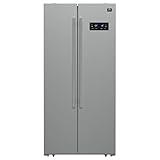
 Forno Salerno 33-inch Freestanding Side-by-side Refrigerator in Stainless33 Inch27.42 x 32.9 x 70.14 Inches176.4 PoundsCheck on Amazon
 Element 21.4 cu. ft. Side-by-Side Refrigerator21.4 cubic_feet28.8 x 35.8 x 69.7 Inches190.5 PoundsCheck on Amazon
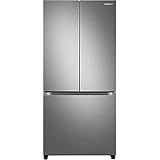
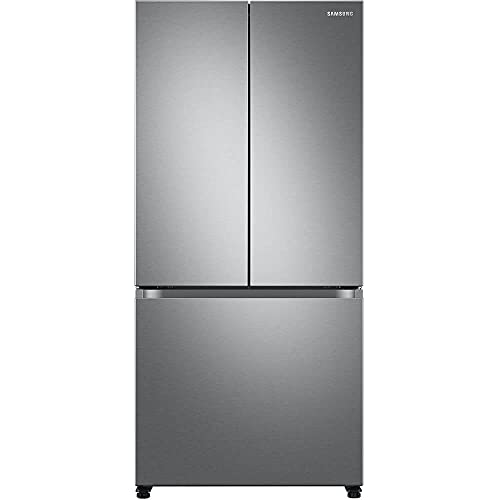 Samsung 17.5 cu. ft. Smart Counter Depth 3-Door18 Cu Ft28.5 x 32.13 x 70 inches205 PoundsCheck on Amazon
Top 3 picks at a glance
Best counter-depth side-by-side refrigerators at a glance
| Model or model family | Approx. listed capacity | Why it stands out | Best fit | Typical market range |
|---|---|---|---|---|
| GE GZS22IYNFS | About 21.8 cu. ft. | Simple layout, external water and ice, widely available service support | Most kitchens needing a practical all-rounder | Usually $1,500–$2,200 |
| Bosch 800 Series B20CS51SNSS | About 21 cu. ft. | Quiet operation, refined interior, counter-depth proportions | Premium kitchens where noise and fit matter | Usually $2,500–$3,500 |
| KitchenAid KRSF705HPS | About 22 cu. ft. | Strong shelf organization and filtered dispenser design | Buyers prioritizing interior usability | Usually $2,000–$3,000 |
| LG LSXC22386S | About 22 cu. ft. | Good capacity for its footprint and convenient door storage | Households wanting maximum storage in a shallow enclosure | Usually $1,500–$2,400 |
Exact availability, finishes, hinge clearances, and dimensions vary by region and production year. Treat the model names as starting points, then confirm the current installation drawing before ordering.
Our top pick: GE GZS22IYNFS
The GE GZS22IYNFS is the safest general recommendation when the goal is a genuine counter-depth side-by-side refrigerator without an unusually complicated control system. Its roughly 21.8 cu. ft. interior is not the largest in this category, but the side-by-side layout keeps both fresh and frozen food at eye level. The external dispenser also avoids opening the freezer repeatedly for drinking water.
Its main advantage is serviceability rather than a flashy feature list. GE has a large support network, and the refrigerator uses a conventional side-by-side arrangement that many appliance technicians already know. That does not make the ice maker failure-proof: all through-door ice systems contain a fill valve, ice mold or ice-making assembly, auger, motor, chute, and sensors. It does mean diagnosis is generally less exotic than on heavily integrated smart appliances.
What to check before buying
- Confirm whether the listed depth excludes the handles. With handles, the refrigerator may project 29–31 inches.
- Measure the opening for the doors, not only the cabinet box. Side-by-side doors still need swing clearance.
- Check whether the water filter is inside the fresh-food compartment or in the base grille; the location affects replacement access.
- Verify that the dispenser can accept a tall glass without splashing against the drip tray.
Best premium choice: Bosch 800 Series B20CS51SNSS
The Bosch 800 Series B20CS51SNSS is a strong choice for a kitchen where quiet operation, controlled depth, and a polished interior matter more than maximum cubic footage. Its approximately 21 cu. ft. capacity is modest beside standard-depth refrigerators, but that trade-off is the reason it sits neatly with shallow cabinetry.
Bosch models in this class tend to emphasize temperature management, fit, and finish over oversized door bins. That makes the usable capacity feel more predictable: fewer bulky external features compete with shelf space. The downside is ownership cost. Filters, proprietary components, and professional service can cost more than on a simpler mainstream model.
Choose it when the refrigerator will sit beside a wall or tall pantry and you care about a controlled visual line. Do not choose it solely because the cabinet depth looks shallow; measure the handles, doors, hinge caps, and required ventilation space.
Best for interior organization: KitchenAid KRSF705HPS
The KitchenAid KRSF705HPS offers about 22 cu. ft. of storage and is worth considering when shelf placement and door organization are more important than having the lowest purchase price. A side-by-side refrigerator naturally divides storage into narrow vertical columns, so adjustable shelves and well-designed bins have a larger effect than the headline capacity suggests.
Its dispenser and ice system provide convenience, but the reliability calculation is the same as with any through-door design: more dispensing components mean more potential service points than an internal ice maker. If you rarely use chilled water, an internal-dispenser model or a refrigerator without a dispenser may be the better long-term decision.
Best capacity in a shallow footprint: LG LSXC22386S
The LG LSXC22386S is aimed at buyers who want a counter-depth appearance while preserving around 22 cu. ft. of listed storage. LG’s door storage can be useful for condiments, milk containers, and frequently accessed bottles, although putting heavy items in the door can make it feel crowded quickly.
Before choosing it, compare the actual shelf width with your largest containers. A refrigerator can have more listed cubic feet but less practical room for a wide pizza box, large roasting pan, or meal-prep containers. Side-by-side freezers are especially prone to this limitation because the freezer column is tall but relatively narrow.
True depth, handles, and usable capacity
“Counter-depth” is not a single standardized measurement. Manufacturers may publish cabinet depth, case depth, depth without the door, or depth including the handle. For a flush fit, use the installation drawing and calculate three separate projections:
- Cabinet projection: the refrigerator box behind the doors.
- Door projection: the closed doors and hinge covers.
- Handle projection: the part most likely to extend beyond adjacent cabinets.
For example, suppose a model lists 24.5 inches without handles, its doors add 1.5 inches, and the handles add 2.25 inches. Its visible front-to-back depth is approximately:
24.5 + 1.5 + 2.25 = 28.25 inches
That may look flush beside 24-inch-deep cabinets, but the doors and handles still stand 4.25 inches forward. You also need clearance for the doors to open far enough to remove shelves and drawers.
Usable capacity is lower than the advertised number because insulation, evaporator housings, shelves, drawers, and door liners occupy space. A reasonable planning estimate for a counter-depth side-by-side is about 70–80% of the listed capacity. A 22 cu. ft. model may therefore provide approximately 15.4–17.6 cu. ft. of practical storage.
Ice and water dispenser reliability: what matters most
No dispenser is maintenance-free, but some design choices reduce inconvenience. An external dispenser is convenient and keeps the freezer closed, while an internal ice maker removes the door chute, auger, and dispenser motor from the most frequently used assembly. If reliability is your highest priority, select an internal ice maker or a model with a simpler external dispenser rather than choosing by water-output speed.
Common failure points
- Slow or hollow ice: low water pressure, a clogged filter, or a frozen fill tube.
- Water dispenser stops: incorrectly installed filter, closed supply valve, kinked tubing, or a failed inlet valve.
- Ice maker runs but produces little ice: freezer temperature too high, blocked airflow, or a failing ice-maker module.
- Dispenser makes a grinding sound: an ice bridge, jammed auger, or ice clumped together after partial melting.
- Water tastes unusual: a new filter that was not flushed, stagnant tubing, or an overdue filter replacement.
A five-minute dispenser check
- Set the freezer near 0°F and allow several hours for temperature to stabilize. Ice production falls sharply when the compartment is too warm.
- Remove and reinstall the filter until it locks fully. A poorly seated filter can restrict flow or prevent dispensing.
- Dispense roughly 12–16 ounces of water into a measuring jug. A weak stream points toward supply pressure, filter restriction, or the inlet valve.
- Inspect the ice chute for clumps. Emptying and drying the bin often fixes intermittent auger jams.
- Check the refrigerator’s water line for bends after installation. A perfect appliance cannot compensate for a pinched tube.
Flush a newly installed filter according to its instructions, commonly several liters of water, because carbon dust can affect taste and flow. Replace it on the manufacturer’s schedule or sooner if flow noticeably decreases.
Which refrigerator fits your kitchen?
| Your situation | Best choice | Reason |
|---|---|---|
| You want the least complicated ownership | GE GZS22IYNFS or a similar basic counter-depth side-by-side | Conventional layout and broad service availability |
| The refrigerator sits beside a wall | Shallow Bosch-style design with confirmed hinge clearance | Depth is only useful if the doors can open fully |
| You store many frozen items | A model with about 22 cu. ft. and adjustable freezer shelves | Freezer width matters more than total height |
| You rarely use chilled water | Internal ice maker or non-dispenser configuration | Fewer door-mounted dispenser components to maintain |
| You need a near-flush appearance | Measure handle-inclusive depth and side clearances first | “Counter-depth” alone does not guarantee a flush installation |
Frequently asked questions
How much practical storage does a counter-depth side-by-side refrigerator usually provide?
Practical storage is usually lower than the advertised capacity because insulation, evaporator housings, shelves, drawers, and door liners occupy space. The article suggests planning for about 70–80% of listed capacity. A refrigerator advertised at 22 cu. ft. may therefore provide approximately 15.4–17.6 cu. ft. of usable storage.
Why can a refrigerator with more listed capacity still feel less useful?
A refrigerator with more listed capacity can still feel less useful if its shelves are narrow or its storage is poorly arranged. Compare shelf width with your largest containers, including pizza boxes, roasting pans, and meal-prep containers. Side-by-side freezers are particularly limited because their compartments are tall but relatively narrow.
Where is the water filter usually located on these refrigerators?
The water filter may be inside the fresh-food compartment or in the base grille, depending on the model. Its location affects replacement access, so confirm it before buying. Exact dimensions, installation details, finishes, hinge clearances, and filter arrangements can vary by region and production year.
How can I reduce the chance of dispenser problems?
Choose an internal ice maker or a simpler external dispenser if reliability is your highest priority. Internal ice makers remove the door chute, auger, and dispenser motor from the frequently used door assembly. Also keep the freezer near 0°F, seat the filter correctly, flush a new filter, and avoid kinked water tubing.
Why does the freezer need enough door clearance if the refrigerator is counter-depth?
Counter-depth describes a refrigerator’s shallow proportions, not the complete space required for operation. The doors and handles can extend beyond the cabinet box, and the doors still need enough swing clearance to open far enough for shelf and drawer removal. Measure the opening and check the installation drawing before ordering.
Final buying advice
For most households, the GE GZS22IYNFS is the best balance of fit, capacity, dispenser convenience, and service practicality. Choose the Bosch 800 Series B20CS51SNSS when quiet, premium construction and a controlled footprint justify the higher cost. Choose the KitchenAid KRSF705HPS or LG LSXC22386S when usable organization or capacity matters more than the simplest ownership experience.
Before paying, compare the installation diagram rather than the marketing label: true depth with handles, door-open clearance, water-line position, ventilation space, and the location of the ice maker will determine whether the refrigerator actually fits your kitchen and remains convenient for years.


