
The best pesto pasta recipes stay creamy by matching the pasta shape to the pesto, loosening the sauce with reserved pasta water, and adding textured ingredients only after the emulsion comes together.
As an Amazon Associate we earn from qualifying purchases at no extra cost to you.


Our Top Picks
 Pesto Cookbook: Discover the Delights of Basil with7.5 x 0.25 x 9.25 inches0.4 PoundsCheck on Amazon
The Core Method for Balanced Pesto Pasta
Pesto contains oil, cheese, nuts, herbs, and usually very little water. If it is heated too aggressively, the oil can separate and the basil can darken. The most reliable method is to finish the dish off the heat.
- Bring a large pot of water to a full boil and salt it well. For 4 servings, use about 4 liters of water and 30–40 grams of salt.
- Cook 340 grams of dried pasta until just shy of al dente. Follow the package timing, but begin checking 2 minutes early.
- Before draining, reserve at least 250 milliliters of pasta water.
- In a large bowl or warm skillet with the heat off, mix 180–240 grams of pesto with 60 milliliters of pasta water.
- Add the drained pasta and toss vigorously for 30–60 seconds. Add more water 1 tablespoon at a time until the sauce coats the noodles instead of pooling beneath them.
- Fold in vegetables, protein, or crunchy toppings at the end so they retain their intended texture.
For a useful starting calculation, 200 grams of pesto for 340 grams of pasta equals roughly 0.59 grams of pesto per gram of dry pasta. That produces a clearly pesto-forward dish without making it excessively oily. Use closer to 150 grams for a lighter coating, or up to 240 grams for short shapes with deep ridges that hold more sauce.
Pasta Shapes Compared Head-to-Head
The shape changes how much pesto each bite carries. Smooth, thin strands need a looser sauce, while ridged or hollow shapes can handle thicker pesto and chunky add-ins.
| Pasta shape | Best pesto texture | Recommended add-ins | Typical dry amount per serving |
|---|---|---|---|
| Spaghetti or linguine | Thin and glossy; start with 2–3 tbsp pasta water per serving | Cherry tomatoes, shrimp, green beans | 85 g |
| Penne or rigatoni | Medium-thick; use enough water to fill the tubes and ridges | Chicken, roasted peppers, broccoli | 85–90 g |
| Fusilli or rotini | Thicker and clingy; ideal for pesto with small diced ingredients | Peas, corn, olives, feta | 80–85 g |
| Orecchiette | Medium-thick with extra water for the bowl-shaped centers | Sausage, broccoli rabe, white beans | 85 g |
| Orzo | Looser and almost risotto-like | Spinach, cucumber, roasted vegetables | 75–80 g |
When to Choose Each Shape
Choose linguine when the pesto is delicate and smooth, particularly with seafood. Choose rigatoni or penne when you want substantial ingredients such as chicken or roasted vegetables. Fusilli is the most forgiving choice for meal prep because its spirals capture sauce even after refrigeration. Orecchiette works best when small ingredients can settle into its cups, while orzo makes a convenient warm side dish or packed lunch.
Pesto Types and the Ingredients They Suit
- Classic basil pesto: Use with pasta, tomatoes, green beans, mozzarella, chicken, or shrimp. Its fresh herb flavor benefits from gentle handling and a final splash of pasta water.
- Sun-dried tomato pesto: Thicker, sweeter, and more concentrated than basil pesto. Pair it with rigatoni, sausage, mushrooms, spinach, or white beans. It often needs extra pasta water or a spoonful of cream.
- Arugula pesto: Peppery and sharper, so balance it with ricotta, peas, roasted squash, or mild chicken. Use a little less than you would with basil pesto.
- Parsley or herb pesto: Bright and clean, making it useful with lemon, fish, chickpeas, or roasted vegetables.
- Nut-free pesto: Often less thick and less rich. Add toasted seeds, grated cheese, or a small amount of extra olive oil if the sauce lacks body.
- Vegan pesto: Nutritional yeast or blended nuts can replace cheese, but the flavor and salt level vary. Taste before adding more seasoning.
A useful decision rule is simple: pair a delicate pesto with a smooth or narrow shape, a thick pesto with ridges or spirals, and a strongly flavored pesto with mild add-ins that provide contrast.
How to Thin Pesto Without Making It Watery
Reserved pasta water is the first choice because its starch helps water and oil cling together. Add it gradually rather than pouring in a full cup at once.
| Problem | First check | Fix | Why it works |
|---|---|---|---|
| Pesto looks oily | Pan or bowl is too hot | Remove from heat and toss in 1 tbsp warm pasta water | Cooling and starch help re-form the emulsion |
| Sauce is thick and pasty | Pasta absorbed the available moisture | Add water 15 ml at a time while tossing | Small additions loosen the sauce without flooding it |
| Sauce is watery | Too much liquid was added at once | Toss for 30 seconds, then add cheese or more pasta | Movement and starch restore a coating texture |
| Flavor tastes flat | Water diluted the seasoning | Add lemon juice, grated cheese, black pepper, or salt | Acid and seasoning restore contrast |
Milk, cream, and ricotta are optional secondary thinners. Cream creates a richer sauce, while ricotta gives pesto a soft, almost whipped texture. Neither replaces pasta water completely: add the dairy first for body, then use starchy water to reach the final consistency.
Four Easy Pesto Pasta Recipes
1. Classic Basil Pesto with Tomatoes and Mozzarella
Cook 340 grams of fusilli or linguine. Toss it off the heat with 200 grams of basil pesto and 90 milliliters of reserved pasta water, adding the water gradually. Fold in 250 grams of halved cherry tomatoes and 125 grams of small mozzarella balls. Finish with black pepper and a little lemon zest. Add the tomatoes after the sauce is emulsified so they remain juicy but do not water down the pesto.
2. Creamy Pesto Chicken Rigatoni
Cook 340 grams of rigatoni. Sear 450 grams of bite-sized chicken pieces until cooked through, then remove them from the pan. Lower the heat and combine 180 grams of pesto with 120 milliliters of cream. Add the pasta and 60–120 milliliters of pasta water, then return the chicken to the pan. Stir in 60 grams of grated Parmesan. The ridges of rigatoni hold the thicker sauce, while the pasta water prevents the cream from becoming heavy.
3. Sun-Dried Tomato Pesto with White Beans and Spinach
Use penne or orecchiette for this pantry-friendly meal. Cook 340 grams of pasta and reserve 250 milliliters of water. Warm 180 grams of sun-dried tomato pesto with one drained 400-gram can of white beans. Add the pasta, then loosen with water until glossy. Fold in 120 grams of baby spinach and let residual heat wilt it. Finish with lemon juice and toasted breadcrumbs for a crisp contrast to the creamy beans.
4. Pesto Orzo with Roasted Vegetables
Cook 300 grams of orzo, draining it slightly before it becomes soft. Toss with 180 grams of pesto, 120 milliliters of pasta water, and 400 grams of roasted zucchini, peppers, or eggplant. Add crumbled feta or toasted almonds just before serving. Orzo absorbs sauce quickly, so reserve extra water and refresh individual portions with 1–2 tablespoons before eating.
Texture: What to Add and When
A balanced bowl usually needs at least two textures besides the pasta. Soft ingredients such as beans, wilted spinach, roasted squash, or mozzarella should be folded in while the pasta is warm. Firm ingredients such as broccoli, green beans, or chicken should be cooked separately so they do not overcook in the sauce.
- For crunch: use toasted breadcrumbs, pine nuts, walnuts, almonds, or pumpkin seeds. Add them at the table.
- For freshness: use lemon zest, basil leaves, arugula, parsley, or halved tomatoes after tossing.
- For chew: use sun-dried tomatoes, mushrooms, roasted peppers, or browned sausage.
- For creaminess: use ricotta, mozzarella, white beans, or a small amount of cream.
Make-Ahead Storage and Reheating
Pesto pasta is best immediately after saucing, but it can be prepared ahead if you store the sauce and pasta carefully. For the best texture, refrigerate cooked pasta separately from pesto for up to 3 days. Toss the pasta with a small amount of olive oil to limit sticking, then combine it with pesto and a splash of hot water when reheating.
If the dish is already mixed, store it in a sealed container for up to 3 days. Reheat one portion in a covered skillet over low heat with 1–2 tablespoons of water per 250 grams of pasta. Stir frequently and stop as soon as it is hot; high heat encourages the pesto oil to separate. Add fresh cheese, herbs, lemon zest, or toasted nuts after reheating.
For packed lunches, fusilli and penne hold their sauce better than delicate strands. Keep crunchy toppings, fresh herbs, and tomatoes separate until serving. This keeps the pesto pasta creamy rather than soggy and preserves the contrast that makes each recipe work.
Frequently asked questions
Can I use store-bought pesto for these recipes?
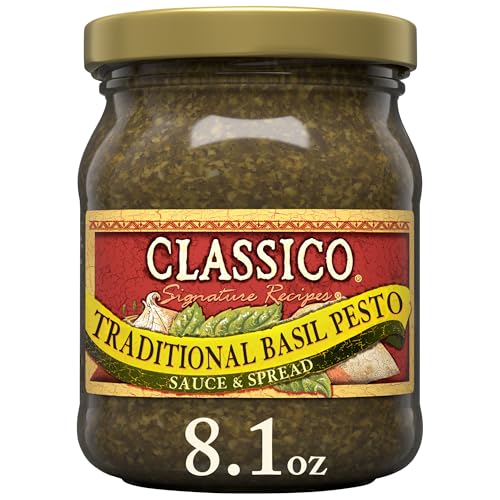
Yes, store-bought pesto can be used, but taste it before adding more seasoning because salt levels and flavor vary. Basil pesto suits tomatoes, green beans, mozzarella, chicken, and shrimp, while sun-dried tomato pesto works with rigatoni, sausage, mushrooms, spinach, or white beans. Adjust the consistency with reserved pasta water so the sauce coats the pasta instead of pooling beneath it.
Why does my pesto pasta taste oily?
Your pesto pasta may taste oily because the pan or bowl is too hot, causing the sauce’s emulsion to separate. Remove it from the heat and toss in warm pasta water gradually. Cooling and the starch in the water help the oil and water come together again. Toss vigorously until the sauce coats the pasta rather than collecting underneath it.
What can I use instead of Parmesan in pesto pasta?
You can use grated cheese, feta, ricotta, mozzarella, toasted seeds, or nutritional yeast, depending on the recipe and the type of pesto. Nut-free pesto may benefit from toasted seeds or grated cheese for more body, while vegan pesto may use nutritional yeast or blended nuts in place of cheese. Taste before adding additional seasoning.
How do I keep pesto pasta from becoming soggy in a packed lunch?
Use fusilli or penne because they hold their sauce better than delicate strands after refrigeration. Keep crunchy toppings, fresh herbs, and tomatoes separate until serving. If possible, store the pasta and pesto separately, then combine them with a splash of hot water. This helps preserve the intended texture and keeps fresh ingredients from watering down the sauce.
Can I make pesto pasta without meat?
Yes, several combinations are meat-free, including basil pesto with tomatoes and mozzarella, sun-dried tomato pesto with white beans and spinach, and pesto orzo with roasted vegetables. You can also use peas, corn, olives, feta, chickpeas, or roasted vegetables as add-ins. Fold soft ingredients in after the sauce is emulsified so they retain their texture and do not dilute it.


