
Our Top Picks


Top 3 picks at a glance
Best Luxury Handmade Cowboy Boots Over $300: How to Choose
The best luxury handmade cowboy boots over $300 are the ones whose leather, construction, fit, and repair options match how you’ll wear them—not simply the pair with the most decorative stitching. For a versatile first pair, look for full-grain leather, a well-fitted heel and instep, a leather or replaceable rubber outsole suited to your terrain, and a maker or cobbler able to resole the boots.
At this price, “handmade” can mean anything from substantial hand-finishing to extensive hand-lasting and stitching. Ask what the maker actually does by hand, what components are replaceable, and whether the specific model can be resoled. The answers matter more to long-term value than the label alone.
As an Amazon Associate we earn from qualifying purchases at no extra cost to you.



Match the boot to its job
| Use | Leather and outsole to prioritize | Shaft and heel considerations | Likely trade-off |
|---|---|---|---|
| Office, dinners, and occasional wear | Full-grain calf or cowhide; leather outsole | Moderate shaft height; traditional walking or cowboy heel | Dressier underfoot, but slick or vulnerable to wet pavement |
| Frequent city walking | Durable cowhide; rubber or leather outsole with a replaceable top lift | Lower, stable heel; shaft that doesn’t rub the calf | More grip, though some rubber soles look less formal |
| Dry ranch or barn use | Tough cowhide; rubber outsole if traction matters | Higher shaft for coverage; heel and toe suited to the work | Work-oriented details may be heavier than needed for casual wear |
| Wet ground or slick indoor floors | Water-resistant leather care routine; rubber outsole with a suitable tread | Stable heel; avoid choosing height or toe shape that compromises balance | Water resistance is not waterproofing, and deep tread changes the profile |
These are starting points, not guarantees: outsole compounds and patterns vary, and leather performance depends on finish and care. If your work has safety requirements, buy boots explicitly rated for them rather than assuming a handmade cowboy boot qualifies.
What your money should buy
Leather grade and type
For an everyday boot, full-grain leather is a sound default because it retains the outer grain and can develop a visible patina. “Top-grain” is also real leather but may be sanded or finished differently; the terms alone don’t tell you how thick, supple, or durable a particular hide is. Ask whether the vamp—the part covering the foot—and shaft use the same leather. Some boots use more rugged leather on the foot and a softer or more decorative material above it.
Exotic leathers such as ostrich or alligator can cost considerably more, but higher price does not automatically mean better support, lifespan, or comfort. Check the maker’s care guidance and the material’s legal sourcing where relevant. For a hard-wearing first pair, well-chosen cowhide is often the simpler, more repair-friendly option.
Construction and stitching
Look for a clear description of how the upper, welt or midsole, and outsole are joined. A stitched construction may permit resoling, but the presence of visible stitching is not enough to prove that a boot is rebuildable: some stitches are decorative, and some soles are cemented in addition to or instead of stitching. Ask whether the outsole can be replaced without damaging the upper, and whether the maker offers that service or supplies construction details to a local cobbler.
Hand-lasting and hand-finishing can contribute to a shaped fit and refined details, but “handmade” is not a standardized construction grade. Useful questions include: Which stages are done by hand? Is the welt stitched through the boot or only to another layer? Can the heel, top lift, and outsole be replaced independently? A straight answer is more informative than a broad craftsmanship claim.
Stitching, shaft, and outsole
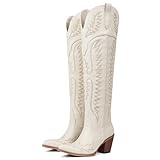
Decorative shaft stitching is mainly a style choice; it does not by itself indicate a stronger boot. Neat, consistent stitching and cleanly finished edges are worth inspecting, especially around stress points, but construction beneath the surface determines repairability. Shaft height also affects comfort: a taller shaft gives more coverage but can rub or feel restrictive if its circumference and lining don’t suit your calf. Compare shaft height and opening circumference against boots you already wear comfortably.
Leather soles can feel dressy and may be easier to have replaced when the boot is built for resoling. They usually offer less grip on wet or polished surfaces than a suitable rubber sole. Rubber varies widely: a thin sole may preserve a refined profile, while a lugged sole offers more bite but adds bulk. For mixed city use, a replaceable rubber sole or a repairable leather sole with a compatible rubber half-sole can be a practical compromise—confirm that the specific boot can take one.
Get the fit right before judging comfort
Cowboy boots should hold the heel with a modest amount of movement while the foot sits securely over the instep. A little heel lift can be normal in a new boot; sliding, sharp pressure, numbness, or toes hitting the front are not signs you should expect to “break through.” The shaft should allow movement without pinching your calf.
- Measure both feet late in the day, wearing the socks you expect to use. Fit to the larger foot.
- Use the maker’s own size chart and width options; cowboy-boot sizing does not translate perfectly between brands or lasts.
- Try the boots on a clean indoor surface. Check toe room, instep pressure, heel hold, and shaft comfort while standing and walking.
- If one width feels tight across the ball of the foot, don’t assume a longer size will fix it. That can leave excess length while the width remains wrong.
Fit guidance varies by maker, so use the brand’s return and exchange policy before wearing boots outdoors. A removable insole can sometimes refine volume, but it cannot correct an unsuitable last or a toe box that is too narrow.
Break-in: expect gradual settling, not pain
Break-in time depends on leather stiffness, lining, construction, and your foot. A supple boot may feel comfortable quickly; a firm, structured pair can take several short wears to soften at flex points. There is no reliable universal number of hours, and painful blisters are not a required stage.
Start with 30–60 minutes indoors, then increase wear time if pressure remains mild and improves. Stop if you get numbness, sharp pain, or repeated hot spots; reassess size and width rather than trying to force the leather. Avoid soaking boots, heating them, or applying unapproved oils to speed the process, since these can damage or distort leather and finishes. Follow the maker’s care instructions.
Calculate long-term value, not just the purchase price
Here is a simple comparison for two hypothetical boots; the figures are illustrative, not quotes. Assume Boot A costs $450 and its outsole can be replaced for $180 after roughly three years of regular wear. Assume Boot B costs $650 but its construction is not serviceable, so you replace the pair after the same period. Over six years, with one replacement or resole at year three:
- Boot A: $450 + $180 = $630 over six years, or about $105 per year.
- Boot B: $650 + $650 = $1,300 over six years, or about $217 per year.
The calculation changes if the leather, fit, or care needs differ, and a resole is worthwhile only when the upper and structure remain sound. Still, it shows why repair access can outweigh a higher initial price. Before buying, check the maker’s repair policy and ask a local cobbler whether the construction is serviceable.
Price expectations and final shortlist
Handmade cowboy boots over $300 commonly fall in a broad range of roughly $400–$1,000 or more, depending on leather, labor, customization, and construction. Exotic skins and extensive custom work can go higher. Treat prices as a market range rather than a quality ranking: compare the exact materials, fit options, outsole, and repair support.
- Choose a versatile daily pair: full-grain cowhide, comfortable last, moderate heel, and a sole suited to your usual surfaces.
- Choose a dress pair: refined leather and stitching, leather outsole, and a fit you can tolerate while standing—not just sitting.
- Choose a work-oriented pair: prioritize documented construction, traction, coverage, and any required safety rating over decorative details.
- Before paying: confirm width and shaft measurements, break-in and care guidance, return conditions, and whether the outsole and heel can be repaired.
The strongest purchase is the pair that fits securely now, suits the ground you walk on, and has a credible path to repair. Those details make a luxury handmade boot useful for years, rather than merely impressive on the shelf.
Frequently asked questions
Are handmade cowboy boots waterproof?
No, water resistance is not the same as waterproofing. Leather performance depends on the finish and care, so follow the maker’s care guidance and use a routine appropriate to the material. For wet ground, a suitable rubber outsole can help with traction, but it does not make the boot waterproof. Avoid soaking boots or applying unapproved oils.
How should I compare cowboy-boot sizes between brands?
Do not assume your size translates perfectly between brands or lasts. Measure both feet late in the day while wearing your expected socks, then fit the larger foot. Use the maker’s own size chart and width options. Try boots indoors on a clean surface, checking toe room, instep pressure, heel hold, and shaft comfort before wearing them outside.
Can a cobbler resole any handmade cowboy boot?
No, resoling depends on the specific construction. Visible stitching does not prove that a boot is rebuildable because some stitching is decorative, and some soles are cemented. Ask whether the outsole can be replaced without damaging the upper, whether the heel and top lift can be replaced independently, and whether the maker or a local cobbler offers the service.
What should I do if the boots cause blisters or numbness?
Stop wearing them and reassess the size and width rather than forcing the leather to soften. Mild pressure may improve during gradual break-in, but numbness, sharp pain, repeated hot spots, and painful blisters are not required stages. Start with short indoor wears of 30–60 minutes, increasing time only while pressure remains mild and improves.
Do cowboy boots need safety ratings for work?
Yes, if your work has safety requirements, choose boots explicitly rated for them. Do not assume a handmade cowboy boot qualifies based on its leather, shaft height, heel, or decorative details. For work-oriented use, also consider documented construction, traction, coverage, and the outsole’s suitability for the surfaces where you will wear the boots.


