
The best port wine glasses for after dinner are small tulip-shaped glasses that hold roughly 200–300 ml, narrow toward the rim, and let you pour about 60–90 ml without burying the wine in excessive headspace.
As an Amazon Associate we earn from qualifying purchases at no extra cost to you.
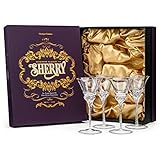

Our Top Picks


Quick comparison: which port glass suits you?
| Glass or design | Nominal capacity | Bowl and rim | Best for | Dishwasher safety |
|---|---|---|---|---|
| Riedel Vinum Port | Approximately 240 ml | Compact, tapered bowl with a relatively narrow rim | Classic after-dinner pours and balanced aroma concentration | Generally dishwasher safe; check the current care label |
| Schott Zwiesel Fortissimo Port | Approximately 220–260 ml | Tulip profile with a controlled opening | Frequent use and users who prioritize durability | Typically dishwasher safe, depending on the exact set |
| Spiegelau dessert-wine style glass | Approximately 200–300 ml | Moderately rounded bowl and narrower upper section | One glass for port, late-harvest wine, and dessert wines | Often dishwasher safe; verify the model’s instructions |
| Zalto Denk’Art Sweet Wine Glass | Approximately 320 ml | Larger, very thin bowl with a fine rim | Detailed tasting and aromatic vintage port | Hand-washing is the safer choice for the delicate construction |
| Small tulip port glass, unbranded | 180–250 ml | Narrow bowl and small opening | Budget buying, compact storage, and controlled portions | Choose a clearly labeled dishwasher-safe version |
Why bowl shape matters more than maximum capacity
Port is fortified, intensely aromatic, and usually served in a much smaller pour than table wine. The bowl needs enough width for the liquid to release fruit, spice, caramel, and dried-fruit aromas, but the upper section should narrow enough to gather those aromas before they leave the glass.
A tulip-shaped bowl is the most versatile choice. Its wider lower section gives the port a modest surface area for oxygen contact, while the narrowing shoulder directs aromas toward the nose. A completely straight-sided tasting glass can work, but it usually feels less focused. A very broad brandy snifter may expose too much wine at once and make high-alcohol notes more prominent than the fruit.
For ruby and young late-bottled vintage port, choose a compact bowl with a noticeable taper. These styles benefit from a glass that emphasizes red fruit, blackberry, plum, and floral notes. Tawny port can also use a tulip glass, although a slightly more rounded bowl may better accommodate its nutty, caramelized, and dried-fruit aromas.
Rim size and aroma concentration
The rim controls where aromas collect and how the wine reaches your palate. A narrow-to-medium rim generally concentrates port more effectively than a wide opening. It also makes small servings feel intentional rather than lost in a large wine glass.
A very narrow rim is not automatically better. If the opening is too small, it can make the wine seem sharp and restrict swirling. Look for a rim that is clearly narrower than the widest part of the bowl, but still wide enough for a controlled sip.
Thin, cleanly finished rims improve clarity of texture: the port arrives with less glass between your lips, and sweetness and acidity are easier to distinguish. Thicker rims are usually more resistant to chipping and are often preferable for everyday use, especially when the glasses will go into a dishwasher.
Capacity: use the 30–40% fill rule
Do not select a port glass by filling it to its stated capacity. The capacity describes the point at which the bowl is nearly full, not the recommended serving size.
For a practical calculation, consider a 240 ml glass filled with 75 ml of port:
- 75 ÷ 240 = 0.3125
- The glass is therefore about 31% full.
- That leaves approximately 165 ml of headspace for aromas.
This is a useful target for after-dinner service. A 60–90 ml pour in a 200–300 ml tulip glass gives enough room to swirl without spilling and concentrates aromas above the liquid. A 320 ml sweet-wine glass can still work, but keep the pour closer to 60–75 ml; otherwise the larger bowl may make a small serving look visually undersized and can soften aroma concentration.
Head-to-head: the main choices
Riedel Vinum Port: the balanced traditional option
The Riedel Vinum Port is a strong all-round choice when you want a dedicated port glass rather than a general dessert-wine glass. Its compact capacity and tapered bowl suit standard after-dinner pours, while the narrower rim keeps aromas focused.
Its main advantage is proportion: the bowl is large enough to swirl but not so large that a 75 ml serving looks or smells diluted. It is especially suitable for ruby, tawny, and late-bottled vintage port at the same table. The stem is long enough to keep warm hands away from the bowl, although people with larger hands may prefer a sturdier stemmed design.
Schott Zwiesel Fortissimo Port: the practical durability choice
A Fortissimo Port glass is worth considering when dishwasher safety and resistance to everyday handling matter as much as aroma performance. Schott Zwiesel’s Tritan crystal glassware is known for durability, and the port profile provides a more focused shape than a standard white-wine glass.
Compared with an ultra-thin hand-blown glass, the rim and stem may feel less delicate. That is a benefit in a busy household, but it can slightly reduce the luxurious tactile experience. Choose this style for regular use, shared dinners, or anyone who does not want port glasses treated as fragile special-occasion pieces.
Spiegelau dessert-wine style glasses: the versatile compromise
A Spiegelau dessert-wine glass with a narrow upper bowl can serve port, Sauternes, ice wine, Madeira, and other sweet wines. This is a sensible choice if you want one set rather than a glass dedicated only to fortified wine.
Check the bowl dimensions before buying. Some dessert-wine glasses are tall and narrow, which concentrates aromas well; others are closer to small white-wine glasses and have a wider rim. The former is better for port. A moderate 200–300 ml capacity also gives flexibility for larger pours of dessert wine without making port servings excessive.
Zalto Denk’Art Sweet Wine Glass: the detail-focused option
The Zalto Denk’Art Sweet Wine Glass is aimed at aroma detail and a refined drinking feel. Its thin construction and fine rim can make mature tawny or vintage port seem especially precise, with less visual and tactile interference from the glass.
The trade-off is care. Very thin stems and bowls require more attention during washing, drying, and storage. Its larger capacity is not a reason to pour more port; use it as an aroma chamber and keep the serving modest. This is the best design here for careful tasting, not necessarily the best choice for a crowded dinner table.
Stem comfort, clarity, and cleaning
Stem comfort is easy to overlook. A usable port glass should have a stem that is long enough to hold without touching the bowl, a stable foot, and a joint that does not feel excessively narrow. If you regularly serve port after a meal, a slightly thicker stem can be more comfortable than an ultralight one.
Glass clarity affects more than appearance. Clear, low-tint crystal makes it easier to judge ruby brightness, tawny oxidation, sediment, and the amber edge of aged port. Brilliant clarity is particularly valuable with vintage port, where color changes can indicate age and development. Avoid heavily textured or tinted bowls if visual inspection matters to you.
Dishwasher safety depends on more than whether a product listing uses the phrase “dishwasher safe.” Place glasses securely in the upper rack, use a gentle cycle, avoid overcrowding, and allow them to cool before handling. Strong detergent, high heat, and contact with plates can gradually cloud or damage even durable glass. Hand-washing is preferable for very thin, hand-blown designs.
Decision matrix for after-dinner buying
| Your priority | Choose this design | Why |
|---|---|---|
| One dedicated glass for most ports | 200–260 ml tulip glass | Concentrates aromas while matching a 60–90 ml pour |
| Dishwasher use several times a week | Durable crystal with reinforced stem | Better resistance to routine handling and washing |
| Vintage port tasting | Thin, clear glass with a narrow-to-medium rim | Shows color and separates layered aromas |
| Tawny port and dessert wines | Rounded 240–320 ml sweet-wine glass | Provides room for nutty, caramel, and dried-fruit aromas |
| Small cabinet or limited storage | Compact 180–220 ml port glass | Uses less shelf space and still supports proper portions |
Frequently asked questions
Can I use a port glass for other dessert wines?
Yes, a moderately sized dessert-wine glass can also serve Sauternes, ice wine, Madeira, and other sweet wines. Spiegelau dessert-wine style glasses are described as a versatile compromise for port and dessert wines. A glass with a narrower upper bowl is preferable because it concentrates aromas more effectively than a model with a wider rim.
How much port should I pour into the glass?
Pour about 60–90 ml of port into a 200–300 ml tulip-shaped glass. This leaves enough headspace for swirling and aroma concentration. In a 240 ml glass, a 75 ml pour fills about 31% of the bowl. For a larger 320 ml sweet-wine glass, keep the serving closer to 60–75 ml.
Is a larger glass better for older or more aromatic port?
A larger glass is not automatically better, but it can provide an aroma chamber when the pour remains modest. The Zalto Denk’Art Sweet Wine Glass has a larger capacity and is suited to detailed tasting, including mature tawny or vintage port. Avoid increasing the amount of port simply because the bowl is larger.
What should I look for if I plan to wash the glasses in a dishwasher?
Choose a clearly labeled dishwasher-safe design with a sturdy stem and avoid overcrowding the upper rack. Use a gentle cycle, mild handling, and let the glasses cool before touching them. Durable crystal is more suitable for routine washing, while very thin, hand-blown designs are safer to wash by hand.
Why does clear glass matter when choosing a port glass?
Clear, low-tint glass makes it easier to judge ruby brightness, tawny oxidation, sediment, and the amber edge of aged port. This is particularly useful with vintage port, where changes in color can indicate age and development. Heavily textured or tinted bowls are less suitable when visual inspection is important.
Final recommendation
For most after-dinner drinkers, choose a clear 200–260 ml tulip-shaped port glass with a moderately narrow rim, comfortable stem, and confirmed dishwasher-safe construction. The Riedel Vinum Port is the most balanced dedicated option, while a Schott Zwiesel Fortissimo Port-style glass is more practical for frequent use. Choose a Zalto Denk’Art Sweet Wine Glass when aroma detail and a very thin rim matter more than convenience. Whatever the model, serve 60–90 ml and leave at least two-thirds of the bowl empty; that combination does more for port’s aroma concentration than simply buying the largest or most expensive glass.


