Movies punish weak speakers more than music does. A film mix swings from whispered dialogue to a sudden explosion within seconds, and a television’s built-in speakers flatten that range into a thin, narrow sound. People searching for the best speakers for movies are usually trying to fix three specific problems: dialogue that disappears under the soundtrack, bass that never arrives, and a sense of space that stops at the edge of the screen.
The right answer depends on where the movies are watched. A living room TV, a bedroom projector setup, and a desk with a monitor each call for different hardware. This guide compares seven options for 2026, from surround soundbars to a passive bookshelf pair and simple USB desktop speakers, judging only by the specs printed in each listing. One outdoor party speaker in the pool was dropped because it is built for portable music, not film playback.
Our Top Picks
 1Mii 3.5mm Computer Speakers for Desktop Laptop Tablet2.4 x 10.2 x 2.5 inches0.4 poundsCheck on Amazon



Top 3 picks at a glance
Quick Picks
As an Amazon Associate we earn from qualifying purchases at no extra cost to you.



| Product | Best for | Key spec from the title |
|---|---|---|
| ULTIMEA 7.1ch Surround Sound Bar | Big-room surround effect | 7.1ch, subwoofer, 4 virtual surround speakers, 330W peak |
| ULTIMEA 2.1ch Soundbar | Compact TV upgrade | 2.1ch, built-in subwoofer, Bluetooth 5.4, 132W peak |
| Maraawa Sound Bar with Subwoofer | Bedroom or den theater | 120W, Bluetooth 5.3, ARC/optical/AUX, detachable |
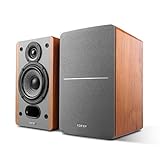
| Edifier P12 | Receiver-based home theater | Passive bookshelf pair, wall-mount bracket |
| 1Mii Computer Speakers | Laptop movie nights | 3.5mm, USB powered, volume control |
| Desktop PC Speakers with Clamp | Monitor-mounted audio | USB plug-in, volume knob, sturdy clamp |
| Basics Stereo 2.0 PC Speakers | Basic desk audio | 3.5mm aux input, USB powered, volume control |
The seven products fall into three camps. Two ULTIMEA bars and the Maraawa kit are all-in-one soundbar systems with a subwoofer, which is where most living room buyers end up. The Edifier P12 is a component for people who already own, or plan to buy, an amplifier. The remaining three are desktop stereo pairs, and they solve a different problem: better sound for a laptop or monitor, not a cinema in the living room. Comparing across camps is less useful than choosing the camp first and then picking within it.
How to Choose
Start with the room and the source
For a living room TV, a soundbar with a subwoofer is the simplest step up, since it connects with a single cable and needs no receiver. For a laptop or monitor on a desk, a USB-powered stereo pair is enough. For a dedicated home theater with an existing amplifier, passive speakers such as bookshelf pairs give the most freedom to upgrade over time. Decide this first, because it narrows the field more than any other spec.
Check the connections your TV actually has
HDMI ARC (and its newer eARC variant) lets a soundbar use the TV remote and pass sound over one cable. Optical is a reliable fallback on most TVs, and a 3.5mm aux input suits laptops and older equipment. Bluetooth is handy for phones, but wired connections avoid the slight delay that can pull dialogue out of sync with lips. Look for ARC or optical on any soundbar you plan to use mainly for movies.
Interpret channels and wattage carefully
A label such as 7.1ch or 2.1ch describes the channel layout, not necessarily the number of physical speakers. Virtual surround uses processing to spread the sound, and the effect varies by room. Wattage numbers marked “peak” are short-burst ratings and say little about how loud or clean the sound is at normal volume. A real subwoofer, whether built in or separate, matters more for explosions and low-frequency rumble than any wattage label.
Know where budget models cut corners
Cheap speakers usually skimp on bass, so tiny desktop pairs will not rumble the way a subwoofer-equipped bar does. Plastic enclosures can add boxiness to dialogue, and small drivers distort when pushed. Ignore sticker claims about cinematic sound and focus on the connection type, subwoofer presence, and whether the unit needs extra gear, such as the amplifier that a passive pair requires.
Placement deserves a final word before the reviews. A soundbar sits best directly below the screen, centered, with nothing blocking its front face. A passive bookshelf pair should be angled toward the main seat at roughly ear height, and desktop speakers should flank the monitor at equal distances. Even the strongest hardware sounds worse when it is tucked in a corner, so plan the spot as carefully as the purchase.
The 7 Best Options
ULTIMEA 7.1ch Surround Sound Bar
This ULTIMEA system is a 7.1ch sound bar with a subwoofer and four virtual surround speakers, with a stated peak power of 330W. It targets viewers who want a wide, enveloping sound from a single bar in a larger living room. The listing also pitches it as a home theater system with HDMI input.
- Strength: a separate subwoofer and a 7.1ch layout aim at fuller bass and wider effects than a basic bar.
- Strength: HDMI connectivity suits modern televisions.
- Trade-off: “virtual” surround relies on processing, so the effect depends on room shape and seating position.
Skip it if your room is small or you want real rear speakers.
ULTIMEA 2.1ch Soundbar
The 2.1ch ULTIMEA bar is a 16-inch design with a built-in subwoofer, app control, Bluetooth 5.4 and a stated peak power of 132W. Its short length fits under smaller televisions and on desks, and the listing mentions use with a PC. It is the compact route to better dialogue.
- Strength: the built-in subwoofer adds low-end without another box.
- Strength: small footprint and Bluetooth 5.4 suit bedrooms and desks.
- Trade-off: a 16-inch bar cannot create a wide soundstage for a big living room.
Skip it if you want surround effects or heavy bass in a large space.
Maraawa Sound Bar with Subwoofer
The Maraawa kit pairs a sound bar with a subwoofer, rated at 120W with Bluetooth 5.3 and a surround sound pitch. Its connection list names ARC, optical and AUX, which covers most TVs. The listing also describes a detachable home theater speaker design.
- Strength: ARC, optical and AUX inputs give flexible connection options.
- Strength: a subwoofer is included for movie bass.
- Trade-off: it comes from a smaller brand, so long-term support is harder to judge from the title.
Skip it if you prefer an established audio brand for warranty comfort.
Edifier P12 Passive Bookshelf Speakers
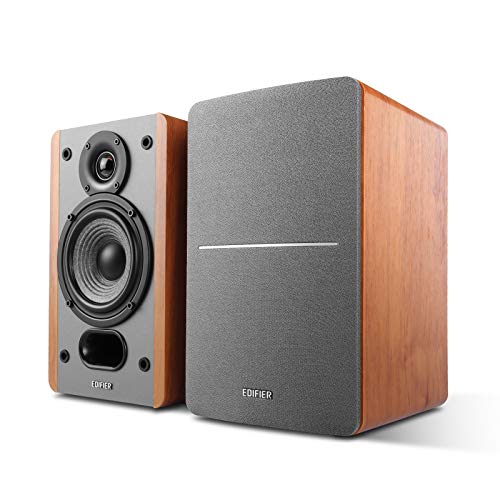
The P12 is a pair of 2-way passive bookshelf speakers in a wood finish, with a built-in wall-mount bracket. The title is explicit that it needs an amplifier or receiver to operate. That makes it a component for people building a proper home theater from parts.
- Strength: passive design lets you choose and upgrade the amplifier.
- Strength: the built-in wall-mount bracket helps with placement.
- Trade-off: it does not work alone, so you must supply and wire an amplifier or receiver.
Skip it if you want a one-box setup that plugs into the TV.
1Mii Computer Speakers
The 1Mii pair connects over a 3.5mm cable and takes power over USB, with a volume control on the unit. It works for desktops, laptops and tablets, which makes it a quick fix for a laptop movie night. The listing stresses simplicity and clear stereo sound.
- Strength: plug-in setup with volume control within easy reach.
- Strength: small size and USB power suit tight desks.
- Trade-off: compact drivers cannot deliver real bass or room-filling output.
Skip it if you are filling a living room or want low-frequency impact.
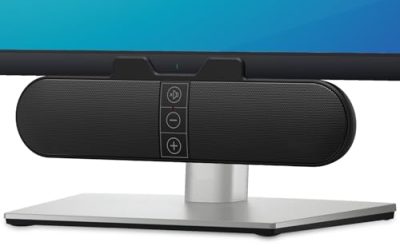
Desktop PC Speakers with Clamp
This generic pair of computer speakers has an easy-to-reach volume knob, a sturdy clamp for mounting on a monitor edge, and USB power. The title describes clear sound with decent bass for the size. It is aimed at desks where space is tight.
- Strength: the clamp keeps speakers off the desk surface.
- Strength: a physical volume knob is faster than software controls.
- Trade-off: “decent bass” is a modest claim; there is no separate subwoofer.
Skip it if the movie setup is on a couch across the room.
Basics Stereo 2.0 PC Speakers
This house-brand stereo pair offers volume control, a 3.5mm aux input and USB power, sold as one pair in black. It is the barest option here, aimed at anyone who wants more than laptop speakers without spending much. Everything about the listing points to simplicity.
- Strength: straightforward 3.5mm and USB power setup.
- Strength: budget-friendly entry into external speakers.
- Trade-off: a plain 2.0 layout has no subwoofer, so low-end effects are limited.
Skip it if cinematic bass or surround is the goal.
Which One Fits Your Situation
A large living room with a wall-mounted TV
Choose the ULTIMEA 7.1ch Surround Sound Bar. The subwoofer and virtual surround layout are suited to a bigger room, and HDMI makes setup simple.
A bedroom TV or small apartment
The ULTIMEA 2.1ch Soundbar or the Maraawa kit fit here. The ULTIMEA is more compact, while the Maraawa lists more input choices including ARC and optical.
A home theater built around a receiver
The Edifier P12 passive pair is the natural fit, giving you room to choose the amplifier and add a subwoofer later. Because the title mentions a built-in wall-mount bracket, it also works for tight rooms where shelf space is scarce. Plan on buying speaker wire and confirming that your receiver handles the pair before the order goes in.
Watching films on a laptop or monitor
The 1Mii pair or the clamp-mount desktop speakers keep things light. The Basics Stereo 2.0 set serves a simple, low-cost refresh of tinny laptop sound.
If the budget is the main constraint, remember that a modest soundbar with a real subwoofer usually changes a movie night more than a premium stereo pair does, because film soundtracks lean heavily on low frequencies. If the screen is a monitor or laptop, though, the desktop pairs above are the right size for the job, and spending more on a soundbar would be wasted on a desk.
Common Mistakes
- Buying a passive speaker pair and discovering it needs an amplifier or receiver to make any sound.
- Trusting peak wattage as a loudness guarantee.
- Expecting a desktop stereo pair to produce explosion-level bass without a subwoofer.
- Skipping the check for ARC or optical output on the TV before buying a soundbar.
- Pushing a soundbar into a cabinet shelf that blocks the drivers and muddies dialogue.
Whichever route you take, set the speakers up at a sensible volume level first and adjust the TV’s audio settings, such as a dialogue or night mode, to taste. Small tweaks like these often matter as much as the hardware itself.
Related guides
- Gaming Chair Cushions And Lumbar Supports
- Business Laptops With Long Battery Life
- Travel Backpack With Laptop Compartment
Frequently Asked Questions
Does virtual surround sound really work?
It uses processing to bounce or shape sound so it seems to come from the sides. Results depend on room size, wall materials and seating position, so expect a wider feel rather than true rear channels.
Do I need a subwoofer for movies?
For action films, yes, a subwoofer adds the low-frequency impact that small speakers cannot produce. For dialogue-heavy shows and casual viewing, a good stereo pair is enough.
What is the difference between active and passive speakers?
Active speakers have amplification built in and plug into a source, while passive speakers like the Edifier P12 need a separate amplifier or receiver.
Is Bluetooth good enough for movies?
It works for casual viewing, but a wired HDMI ARC, optical or aux connection usually keeps dialogue better synced with the picture.
Related guides
More from Amazon
Programs that pair well with the guide above. Offers and eligibility are set by Amazon and may change.
Free shipping on eligible items, Prime Video and more. Eligible new members can start with a free trial.
Start a Prime free trialAd-free music streaming. Eligible new subscribers can start with a free trial.
Try Music Unlimited freeA Prime membership for ages 18-24 with a trial period. Eligibility is set by Amazon.
See Prime for Young AdultsAudiobooks and podcasts to listen to on the go. Eligible new members can start with a free trial.
Try Audible freeAs an Amazon Associate we earn from qualifying purchases.