A gaming headset buying checklist means testing clamp force, headband weight, earcup fit, pad material, wireless latency, mic quality, and build durability before you pay, not after. Most headsets feel fine for the first ten minutes in a store or in unboxing photos. The problems show up three hours into a raid or two years into daily use, and by then you’re past the return window. This checklist covers the twelve specs that actually predict whether a headset earns its price.
As an Amazon Associate we earn from qualifying purchases at no extra cost to you.




Our Top Picks
 Razer BlackShark V2 X Gaming Headset: 7.1 Surround3.5 mm7.6 x 6.76 x 3.86 Inches0.5 PoundsCheck on Amazon
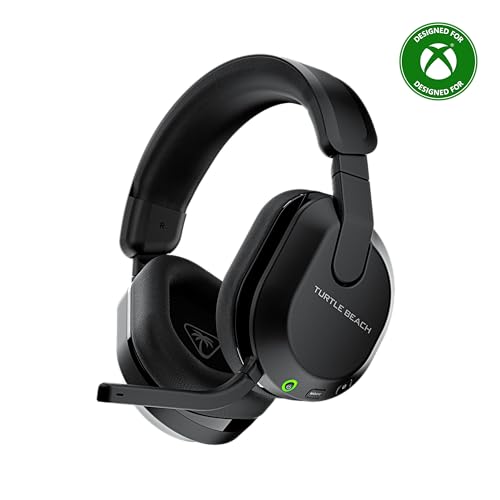 Turtle Beach Stealth 600 Wireless Gaming Headset forStandard8.58 x 7.81 x 3.74 inches0.7 PoundsCheck on Amazon
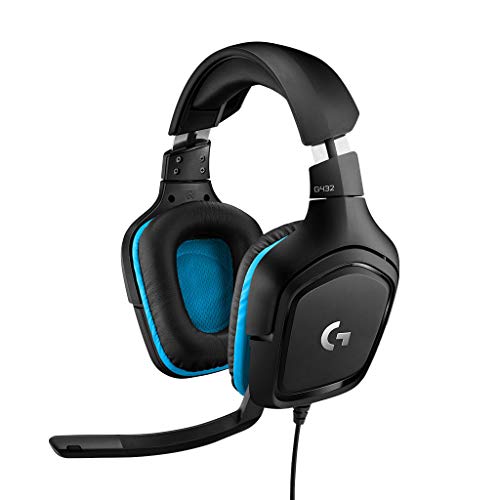 Logitech G432 Wired Gaming Headset7.2 x 3.2 x 6.8 inches7.8 x 4.3 x 9 Inches0.7 poundsCheck on Amazon
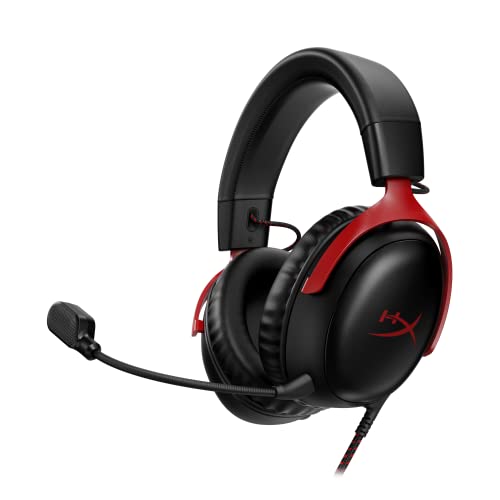
Top 3 picks at a glance
1. Clamp Force: The Comfort Spec Nobody Lists
Clamp force is the inward pressure the headband exerts to hold the earcups against your head. Manufacturers almost never publish this number, which is exactly why you need to check it yourself. Too tight and you get temple headaches after 90 minutes. Too loose and the headset slides when you turn your head or lean back in a chair.
Self-test: put the headset on and tilt your head forward 90 degrees, like you’re looking at your lap. If it stays put without you touching it, clamp force is adequate. If it slides off or you feel it loosening within 10 seconds, it’s too weak for active use (standing matches, VR, anything with head movement). If your temples throb within 5 minutes of first wearing it, it’s too tight and won’t loosen meaningfully with break-in on most plastic-banded designs.
2. Headband Weight in Grams
Total headset weight gets listed, but how that weight is distributed matters more. A 320g headset with a wide, padded headband that spreads pressure across the top of your skull feels lighter than a 280g headset that concentrates weight on a 2cm-wide band.
| Total weight | Multi-hour comfort (4+ hrs) | Typical headband style |
|---|---|---|
| Under 280g | Generally comfortable for most users | Suspension strap or wide fabric band |
| 280-340g | Comfortable if padding is wide (3cm+) and soft | Standard padded headband |
| 340-400g | Noticeable after 2-3 hours, fine for shorter sessions | Often includes larger drivers or metal frame |
| Over 400g | Fatigue likely in under 2 hours for most necks | Audiophile-style or heavily built headsets |
If a headset lists weight without headband width, ask or check product photos for a close-up of the band. A narrow band at 300g will feel worse than a wide one at 340g.
3. Earcup Depth and Opening Dimensions
This is the spec most buyers skip and most often regret skipping, especially if they wear glasses or have larger ears. Earcup depth (the inner cavity depth, not the outer cup size) determines whether your ear touches the driver or padding inside.
- For glasses wearers: look for pads at least 15mm deep with slower-rebound memory foam. Firm foam traps the glasses arm against your skull and creates a pressure point within 20-30 minutes.
- For larger ears: check the inner opening width, not just cup diameter. A cup can look large from outside but have a small oval opening that still touches your ear rim. Oval openings of roughly 60mm x 45mm or larger generally clear most ear sizes; anything smaller risks contact.
- Self-test: put the headset on, then run a finger around the inside of the pad. If your fingertip touches your ear anywhere before reaching the pad, that’s a long-session problem, not a short-session one, since discomfort compounds over hours.
4. Pad Material: Pleather vs Fabric vs Hybrid
Pad material is a three-way trade-off between acoustic seal, heat, and lifespan. There’s no universal best choice, only the right fit for your climate and session length.
| Material | Acoustic seal | Heat buildup | Lifespan before flaking/wear |
|---|---|---|---|
| Pleather (PU leather) | Best, blocks outside noise well | High, traps heat within 30-45 min | 12-24 months typical before cracking or flaking |
| Fabric/velour | Weaker seal, some bass leakage | Low, breathes well | Longer-lasting, mainly wears thin rather than flaking |
| Hybrid (fabric front, pleather back) | Moderate seal | Moderate | Mixed; fabric-facing side resists flaking, pleather edge still ages |
If you game in a warm room, a non-air-conditioned space, or for 3+ hour sessions, fabric or hybrid pads will outlast pleather in comfort even though pleather sounds better out of the box. If replaceable pads are available (see point 11), pleather’s shorter lifespan matters a lot less.
5. Wireless Connection Type and Real-World Latency
Three wireless methods show up on gaming headsets, and they are not interchangeable despite often being marketed similarly.
- 2.4GHz USB dongle: dedicated low-latency link, typically 20-40ms end-to-end audio latency. This is the standard for competitive gaming and the only wireless method that reliably avoids audible lip-sync drift.
- Bluetooth (standard codecs like SBC/AAC): typically 100-220ms latency depending on codec and device. Noticeable delay in fast-paced games, fine for music or single-player titles where sync isn’t critical.
- Bluetooth with low-latency gaming mode (proprietary, e.g. some 2026 headsets pair aptX Low Latency or similar): can drop to 40-60ms, closing most of the gap, but requires both headset and source device support the same low-latency codec.
- USB-C wired: near-zero added latency (under 5ms typically), the safest choice when a dongle isn’t available, such as on some handheld PCs or laptops short on USB ports.
Decision matrix: if you play competitive shooters or rhythm-sensitive games, a 2.4GHz dongle is non-negotiable. If you mainly play slower genres (strategy, RPGs, sim games) or watch content, standard Bluetooth is acceptable. If your device has no spare USB port and no Bluetooth low-latency mode, USB-C wired is the fallback that avoids both problems.
6. Battery Runtime: Worked Example
Manufacturer runtime claims (often “up to 30 hours”) are measured at 50% volume with RGB and sidetone off. Here’s how to estimate your real runtime: take the claimed hours, subtract roughly 15-20% for typical gaming volume (60-75%), then subtract another 10-15% if you keep RGB lighting or sidetone active.
Example: a headset rated for 30 hours. At realistic gaming volume: 30 x 0.825 ≈ 25 hours. With RGB on as well: 25 x 0.875 ≈ 22 hours. For a 3-hour daily session, that’s roughly a full week between charges rather than the 10 days the marketing number implies. This gap matters when comparing two headsets rated 20 hours and 30 hours; the real-world difference is smaller than the spec sheet suggests.
7. Microphone Pickup Pattern and Sidetone
Pickup pattern determines how much background noise gets picked up alongside your voice. Omnidirectional mics (common on budget headsets) pick up sound from all directions, including keyboard clatter and room noise. Cardioid or unidirectional mics focus on sound directly in front of the mic capsule, rejecting more side and rear noise.
Check which pattern a mic uses before buying if you game in a shared room or with mechanical keyboard noise nearby; cardioid patterns handle that situation noticeably better. Sidetone (hearing your own voice fed back through the earcups) should be adjustable, not fixed. Fixed high sidetone makes most people unconsciously lower their voice to an unnatural whisper; adjustable sidetone lets you dial it to a level where you talk normally.
8. Driver Size and Type (Brief Context)
Driver size doesn’t scale directly with sound quality, but it affects bass extension potential. 40-50mm dynamic drivers are standard and fine for most gaming. Headsets claiming “planar magnetic” or larger 50mm+ drivers can offer tighter bass response, but the difference matters most to music listening and is a smaller factor in gaming where directional cues (footsteps, gunshots) depend more on tuning and virtual surround processing than raw driver size.
9. Cable Strain Relief
This is the single most common failure point industry-wide. Look at where the cable exits the earcup or the mic boom. A proper strain relief is a visible rubber or silicone sleeve, often slightly flared, that prevents the cable from bending at a sharp angle right at the connector. If the cable goes straight into a flush plastic hole with no visible reinforcement, that’s the spot that will fray or disconnect internally first, typically within the first year of daily use.
10. Hinge and Swivel Plastic
Earcups that swivel or tilt rely on small plastic pivot joints. Flex the earcup gently in the direction it’s designed to move (most swivel flat for storage) and feel for grinding, looseness, or a hollow click. A tight, smooth motion with light resistance tends to hold up. A hinge that already feels loose or clicks out of the box is a point that will crack or snap within one to two years of daily folding.
11. Replaceable Pads and Parts
This single factor often determines whether a headset survives to year three. Check whether the manufacturer sells replacement earpads and headband padding separately, and whether pads attach with a simple clip/twist mechanism or glue. Clip-on pads take seconds to swap and let you replace pleather pads before they flake, extending the headset’s comfortable life well past the pad’s own 12-24 month lifespan. Glued pads mean that once they degrade, you’re looking at DIY repair or a new headset.
12. Warranty Length and What It Covers
Standard gaming headset warranties run 1-2 years. Check specifically whether the warranty covers the cable and pads (common wear points) or only the electronics, since many warranties exclude “consumable” parts like pads entirely. A 2-year warranty that excludes pads and cables is weaker coverage than a 1-year warranty that includes them.
Quick Reference: What to Check, In Order
| # | Check | Red flag |
|---|---|---|
| 1 | Clamp force (tilt-head test) | Slides off within 10 sec, or temple pain in 5 min |
| 2 | Headband weight vs width | Over 340g with a narrow band |
| 3 | Earcup depth/opening | Finger touches ear through the pad opening |
| 4 | Pad material | Pleather with no replacement pads sold |
| 5 | Wireless type | Bluetooth-only with no low-latency mode, for competitive games |
| 6 | Real battery runtime | Rated under 15 hrs at default settings |
| 7 | Mic pattern/sidetone | Omnidirectional with fixed sidetone |
| 9 | Cable strain relief | No visible reinforced sleeve at connector |
| 10 | Hinge feel | Clicking or looseness out of the box |
| 11 | Replaceable pads | Glued pads, no spares sold |
A headset that passes most of these checks usually lands in the $70-$150 range for wired or single-mode wireless, and $130-$220 for dual-mode (2.4GHz plus Bluetooth) models with swappable pads. Paying more than that without better scores on this checklist usually means you’re paying for branding or RGB, not durability or comfort.
Frequently asked questions
Should I choose wired or wireless for competitive gaming?
Choose a headset with a two-point-four-gigahertz USB dongle for competitive shooters or rhythm-sensitive games. The article says this connection typically provides twenty to forty milliseconds of end-to-end audio latency and is the standard for competitive gaming. USB-C wired connection adds under five milliseconds typically, so it is a useful fallback when a dongle is unavailable or USB ports are limited.
Are fabric ear pads better than pleather for long gaming sessions?
Fabric or hybrid ear pads are usually better for warm rooms or sessions lasting three or more hours because they breathe more and reduce heat buildup. Pleather provides the strongest acoustic seal and may sound better out of the box, but it traps heat within thirty to forty-five minutes and commonly cracks or flakes after twelve to twenty-four months.
What should glasses wearers look for in gaming headset pads?
Glasses wearers should look for pads at least fifteen millimeters deep with slower-rebound memory foam. Firm foam can press the glasses arms against the skull and create a pressure point within twenty to thirty minutes. A finger test around the inside of the pad can also reveal whether the ear or glasses contact the interior before reaching the padding.
How much battery life do I really need for daily gaming?
Compare the real-world estimate rather than the advertised maximum. A headset rated for thirty hours may provide about twenty-five hours at realistic gaming volume, or roughly twenty-two hours with RGB lighting also active. At three hours of daily use, that is roughly a full week between charges, rather than the ten days suggested by the marketing number.
Why does microphone sidetone matter if the microphone already sounds clear?
Sidetone matters because it lets you hear your own voice through the earcups while speaking. It should be adjustable rather than fixed, since fixed high sidetone can make people unconsciously lower their voice to an unnatural whisper. Adjustable sidetone lets you choose a level that helps you talk normally, independently of how clearly teammates hear the microphone.