
Under $50, four accessory categories genuinely deliver desk-ready quality: mousepads, cable/USB hubs, headset stands, and basic monitor risers. Mechanical keyboards, true ergonomic chairs, and multi-port docking stations are the ones where that budget buys compromise, not value, and waiting for a sale on a $70-100 tier piece saves more money long-term than buying twice.
As an Amazon Associate we earn from qualifying purchases at no extra cost to you.




Our Top Picks
 Razer BlackShark V2 X Gaming Headset: 7.1 Surround3.5 mm7.6 x 6.76 x 3.86 Inches0.5 PoundsCheck on Amazon
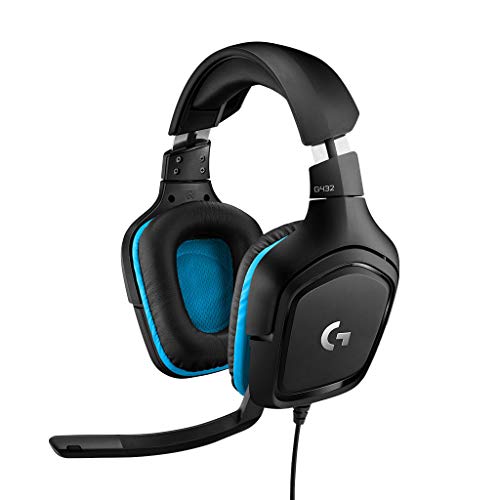 Logitech G432 Wired Gaming Headset7.2 x 3.2 x 6.8 inches7.8 x 4.3 x 9 Inches0.7 poundsCheck on Amazon
 Turtle Beach Recon 70 Wired Multiplatform Gaming HeadsetStandard7.8 x 76.8 x 2.68 inches0.84 PoundsCheck on Amazon

Top 3 picks at a glance
How to size a mousepad against your actual desk
Mousepad sizing is where most under-$50 buyers waste money, either buying too small for how they move or too large for the desk they have. Standard desk depths run 60cm (compact), 100-120cm (common home setups), and 140cm+ (dual-monitor or L-shaped). Here’s how pad width eats into usable desk space:
| Desk width | Pad size | Remaining space for keyboard + monitor arm | Verdict |
|---|---|---|---|
| 100cm | Standard (36x26cm) | ~64cm | Comfortable, room for a tenkeyless board |
| 100cm | XL (90x40cm) | ~10cm | Too tight if you also want a monitor arm clamp |
| 120cm | XL (90x40cm) | ~30cm | Workable, full-size keyboard fits |
| 140cm | XXL (120x60cm) | ~20cm | Fine for low-sens FPS play, tight for anything else |
If you play low-sensitivity FPS titles with big arm swings, go XL or XXL and accept the desk gets crowded on a 100-120cm surface. If you’re on a mixed-use desk (work plus gaming), a standard 36x26cm pad under $20 leaves room for everything else and is honestly enough stitching quality at this price to last 1-2 years of daily use.
Materials that survive daily use vs. ones that fail fast
At the sub-$50 price point, material choice predicts lifespan more than brand name does. This is the single biggest “worth buying” filter in this category:
- Woven cloth mousepads with stitched edges: survive well, edges don’t fray even after a year of daily sliding. Worth buying.
- Unstitched cloth pads: edges curl and fray within 2-4 months of regular use. Avoid even if cheaper.
- Aluminum cable hubs/risers: hold shape, don’t flex or crack. Worth buying.
- Thin ABS plastic hubs: ports loosen within months from repeated plugging, connectors go intermittent. This is the main failure point in sub-$50 hubs.
- Soft silicone wrist rests: hold up fine, don’t harden or crack.
- Foam-and-fabric wrist rests (uncovered foam): compress flat and stop providing support within 6-8 months.
The pattern: anything with a stitched, molded, or metal structural element at this price survives. Anything relying on raw foam or thin unsupported plastic degrades fast. When two products look identical in photos, check the material spec line before anything else.
Monitor risers: clearance math before you buy
A basic monitor riser or stand under $50 is one of the few categories where cheap genuinely works, but only if you check clearance first. The math that matters is simple: riser height + monitor stand height + bottom bezel should land your screen’s center at eye level when seated.
- Average seated eye height from desk surface: 25-30cm for most chairs at desk-appropriate seating height.
- Typical monitor stand already adds 8-12cm.
- A 24-inch monitor’s center sits roughly 18-20cm above its own stand base.
Worked example: if your monitor stand is 10cm tall and the screen center sits 19cm above that, your eye-level point is already at 29cm, close to ideal without any riser. Add a 10cm riser and you push the center to 39cm, meaning you’d tilt your chin up to look at the screen. For most seated setups, a 5-8cm riser is the useful range; anything taller only makes sense if you’re using a low chair or a laptop stand combo underneath a secondary monitor. Measure your current eye-to-desk height before ordering, since this is the one accessory where going too big actively makes posture worse.
USB hubs: port spacing matters more than port count
Sub-$50 hubs advertise port count aggressively, but spacing is the real usability factor. A 4-port hub with ports crammed within 1.5cm of each other means wide USB dongles (wireless mouse receivers, some headset adapters) physically block the port next to them. Check for:
- At least 2cm between adjacent USB-A ports if you use wide dongles.
- A powered hub (external power input) if you’re charging a controller and running a webcam simultaneously; unpowered hubs under $50 typically cap around 2.5-3W of shared output per port under load, which undercharges a controller while a webcam is active.
- A short, stiff cable (15-20cm) rather than a long floppy one if the hub sits on-desk rather than mounted underneath.
Two-minute assembly vs. tools-required
This is a real differentiator buyers don’t expect at this price tier:
| Category | Typical assembly | Tools needed |
|---|---|---|
| Mousepad | Unroll, flatten under weight for a few hours | None |
| Headset stand (weighted base) | Screw post into base | None (hand-tightened) |
| Monitor riser (slab/platform style) | Place on desk | None |
| Clamp-style monitor arm under $50 | Clamp to desk, route cables, balance arm tension | Allen key (included), 10-15 minutes |
| Under-desk cable tray | Mark holes, screw into desk underside | Screwdriver or drill, 10-20 minutes |
| Keyboard tray/stand with height adjustment | Multiple screws, bracket alignment | Screwdriver, 20-30 minutes |
If you want something usable the moment it arrives, stick to mousepads, slab risers, and weighted headset stands. Anything requiring desk clamping or screw-mounting under $50 tends to use thinner hardware than the $70+ versions of the same design, so expect more wobble even after correct assembly.
Where $50 is genuinely enough vs. where to wait for a sale
| Category | $50 verdict | Reasoning |
|---|---|---|
| Mousepad (standard/XL cloth) | Enough | Material quality plateaus quickly; pricier pads mainly add size or RGB |
| Headset stand | Enough | Weighted base and a hook are the only functional requirements |
| Basic monitor riser (slab) | Enough | No moving parts to fail; higher price just adds storage drawers |
| USB hub (4-6 port, unpowered) | Enough for peripherals, not for charging-heavy setups | Powered hubs with real sustained wattage usually start above $50 |
| Mechanical keyboard | Wait for a sale on $70-90 tier | Sub-$50 boards use noisier, scratchier switches and thinner plates; durability drops noticeably |
| Gaming chair | Wait | Under $50 means thin foam and no real lumbar adjustment; replacing it within a year costs more total |
| Monitor arm (full articulating) | Wait for a sale on $60-80 tier | Sub-$50 arms use lighter gas struts that sag with heavier monitors over months |
| Webcam | Wait | Sub-$50 sensors struggle in low light; a $60-70 sale often doubles usable detail |
The pattern across the “wait” row is mechanical stress: anything with moving joints, switches, or adjustable tension degrades faster when built to a sub-$50 cost target. Static accessories (pads, risers, stands) have no moving parts to wear out, so the budget tier holds up just as well as pricier versions.
Frequently asked questions
Which accessory should I buy if I want the simplest upgrade for a mixed-use desk?
A standard cloth mousepad is the simplest choice for a mixed-use desk. A 36x26cm pad leaves room for a keyboard, monitor arm, and other desk items, while a woven surface with stitched edges should survive daily sliding better than an unstitched pad. If you want more support for large arm movements, an XL pad is an option, but it uses substantially more desk space.
How can I tell whether my monitor riser will make my screen too high?
Measure your current eye-to-desk height and add the riser height, monitor stand height, and bottom bezel position. Average seated eye height from the desk surface is 25-30cm. A typical monitor stand adds 8-12cm, and a 24-inch monitor’s center is roughly 18-20cm above its stand base. For most seated setups, a 5-8cm riser is the useful range.
Can an unpowered USB hub charge a controller while I use a webcam?
An unpowered hub may not be suitable for charging a controller while a webcam is active. Under load, unpowered hubs typically provide around 2.5-3W of shared output per port, which can undercharge a controller during simultaneous webcam use. For peripherals, a 4-6 port unpowered hub is enough, but charging-heavy setups generally require a powered hub.
What should I check if my USB devices keep blocking neighboring ports?
Check the spacing between adjacent USB-A ports before buying. At least 2cm is recommended when you use wide dongles, including some wireless mouse receivers and headset adapters. A hub can have several ports yet remain inconvenient if they are crammed within 1.5cm of each other, because one wide connector may physically block the port beside it.
Which accessories can I use immediately without tools?
Mousepads, slab-style monitor risers, and weighted headset stands are the easiest accessories to use immediately. Mousepads only need to be unrolled and flattened under weight for a few hours, while weighted headset stands generally use a hand-tightened screw post. Slab risers simply sit on the desk. Clamp-style arms, cable trays, and keyboard trays require more assembly and tools.


