
The best tablet for architects in this roundup is the TABWEE 11 Inch Android 16 Tablet with Keyboard and Gemini AI. It combines the largest screen here (11 inches), the most memory and storage headroom (24GB+128GB), and a bundled keyboard, which together make it the most practical single device for PDF plan review, meeting notes and quick client walkthroughs. It suits architects who want one light bag item that covers capture and review rather than heavy modelling. If your priority is markup detail at a mid-range price, the ECOPAD 10.1 Inch Tablet with its 1280×800 IPS panel and 12GB(4+8) RAM configuration is the closest runner-up. If you need the cheapest possible second screen for a site bag, the COOPERS 10 Inch is the entry point. And if you already own a tablet, the Kortimu Artist Drawing Glove is the least expensive single upgrade to your sketching comfort. What none of these will do is run full BIM authoring software — for that you still need a laptop or a Windows-class 2-in-1. Everything below is about choosing the right Android companion for sketches, plans and site visits.
Our Top Picks
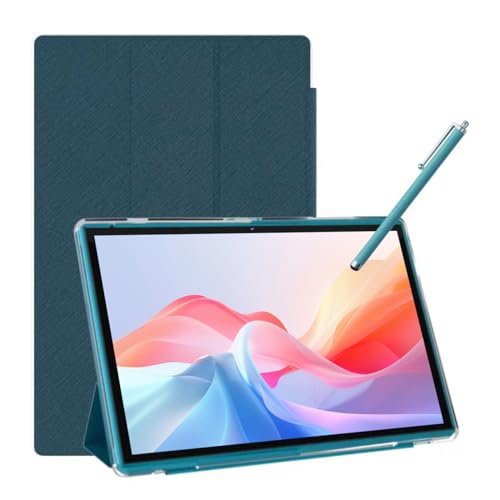 Android Tablet 10 Inch Tablet With Case Stylus8GB+32GB With Case9.6 x 6.7 x 0.3 inchesCheck on Amazon

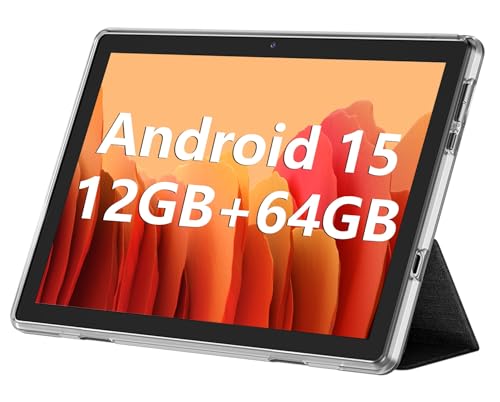


Top 3 picks at a glance
Quick Comparison
| Product | Best for | Key specs (as listed) | Price tier |
|---|---|---|---|
| Kortimu Artist Drawing Glove | Smudge-free sketching on any tablet you already own | 3-layer palm-rejection glove; fits iPad and drawing tablets; two/three-finger styles | Budget |
| COOPERS 10 inch Tablet | Lowest-cost field and student device | 10in display; Android 15; 32GB ROM; 1TB expansion; quad-core processor; 6000mAh battery | Budget |
| ECOPAD 10.1 Inch Tablet | Detailed plan markup and multi-app review | 10.1in 1280×800 IPS HD; Android 15; 12GB(4+8) RAM; 64GB ROM; 1TB SD expansion | Premium |
| NOVOJOY 10 Inch Tablet | All-in-one site kit with stylus and case included | 10in display; Android 15; 8GB RAM; 32GB ROM; 1TB expansion; 6000mAh; case and stylus bundled | Mid-range |
| TABWEE 11 Inch Tablet | Overall pick for meetings, typing and presenting | 11in display; Android 16; 24GB+128GB; bundled keyboard; Gemini AI features | Premium |
| ATOZEE 10.1 Inch Tablet | Shared studio and multi-person field kits | 10.1in display; Android 15; 8GB RAM; 32GB ROM; 1TB expansion; case and stylus bundled | Mid-range |
How We Chose
This list is built from published specification sheets, manufacturer listing descriptions and the known behaviour of the Android tablet category — not from lab measurement. The criteria were chosen for architectural work specifically, because a tablet that is excellent for streaming video can be a poor tool for reading a 1:50 detail drawing on a wet pavement.
Four filters did most of the work. First, display size and resolution: a 10 to 11 inch diagonal is the practical sweet spot, large enough to read an A3 sheet without constant pinch-zoom, small enough to hold one-handed while climbing a stair. Second, stylus and palm-rejection support: whether a pen ships in the box, whether the panel accepts an active or capacitive stylus, and whether the software layer rejects a resting palm. Third, memory and storage: RAM determines how many drawing sets and viewer apps you can keep open, and ROM plus microSD expansion determines whether you can carry a full project archive offline. Fourth, software compatibility and upgrade path: the Android version shipped, how long the device is likely to receive updates, and whether the accessory ecosystem (keyboard, case, pen) is included or an extra purchase.
Price tiers reflect the general market band each listing competes in, not a fixed number, because listing prices move daily. Devices were placed by category fit: a cheap glove is not competing with an 11 inch tablet, but it may be the correct purchase for a reader who already owns hardware.
1. Kortimu Artist Drawing Glove – Best for Smudge-Free Sketching
This is the only item in this roundup that is not a tablet, and it is arguably the highest-value purchase on the page for a practising architect. The Kortimu Artist Drawing Glove is a three-layer drawing glove with palm-rejection properties, designed to be worn on the drawing hand so the side of your palm can rest on a capacitive screen without registering as a touch input or leaving skin oil across the panel. It suits anyone sketching on an iPad or Android drawing tablet — including every tablet listed below — and it is especially relevant for left-handed drafters, who drag their palm across wet ink more often than right-handed users do.
- Type: three-layer artist drawing glove with conductive fabric blend
- Compatibility: capacitive touch screens, including iPad and Android drawing tablets
- Coverage: palm and wrist, with two-finger and three-finger cut styles typical of the category
- Function: physical palm rejection independent of any app setting
- Care: hand wash cool, air dry; avoid tumble drying
- Price tier: budget
The reason a glove still matters in 2026 is that software palm rejection is good but not perfect. Most note-taking and sketching apps on Android have a stylus-only mode, and when that mode is enabled the app ignores finger input entirely, which solves the problem completely. But many architects work in apps that do not expose that setting, or they switch between a PDF markup app, a sketching app and a browser in the same ten minutes. In those mixed workflows, the glove is the only solution that works at the operating-system level rather than the app level. It also prevents the faint grey smear that builds up on a screen after an hour of hand-resting, which matters when you are handing the tablet to a client to show a render.
The three-layer construction is the detail worth understanding. A single-layer glove relies entirely on the fabric blend to block capacitance, and it tends to thin out at the heel of the palm — exactly where the pressure is highest — after a few months of use. A three-layer build sandwiches a barrier layer between an outer surface and a soft inner lining, so the conductive block survives washing and abrasion better, and the inner layer keeps the barrier from feeling plasticky against the skin. That is the difference between a glove you use twice and a glove that lives in your bag.
Sizing is the main risk. These gloves are typically sold in two or three sizes and the fit is deliberately snug, because loose fabric bunches and creates false touches of its own. Measure across the widest part of your palm, just below the knuckles, and if you are between sizes, choose the smaller one — the fabric relaxes with wear. Left-handed users should check the cut orientation before ordering, since a right-hand-cut glove puts the seam in the wrong place on the opposite hand.
Two honest limitations. First, a glove does nothing on a non-touch display, so it is irrelevant if your main device is a laptop. Second, on a hot site visit in summer, any glove gets warm; the three-layer build is more comfortable than a coated single-layer glove, but it is still fabric on skin. Some architects keep one glove in the bag for the office and work bare-handed on site for exactly this reason.
Pros
- Costs a fraction of any tablet and upgrades sketching comfort immediately
- Works on every capacitive screen in this roundup, including the budget models
- Prevents screen smudge, which matters when showing work to clients
- Three-layer build survives repeated washing better than single-layer gloves
- Useful even on tablets that already have good native palm rejection, as a backup
Cons
- Sizing is a guess if you order without trying; between sizes, go smaller
- Fabric gets warm during long outdoor sessions
- Provides no benefit on non-touch displays
- Does not replace an active stylus — it only stops unwanted touches
Compared with the nearest alternative in this list: the NOVOJOY 10 Inch Tablet bundles a stylus and case, which handles the input side of the same problem. If you already own a tablet, the glove is the cheaper fix. If you are buying hardware anyway, the bundled stylus in the NOVOJOY kit does more work than a glove alone — and the two together are the strongest combination on this page for sketching on a mid-range Android device.
2. COOPERS 10 Inch Tablet – Best Budget Entry Point
As an Amazon Associate we earn from qualifying purchases at no extra cost to you.

The COOPERS 10 inch tablet is the lowest-commitment way onto this list. Its listing describes a 10 inch display, Android 15, 32GB of ROM, support for up to 1TB of expansion, a quad-core processor and a 6000mAh battery. That combination suits three specific readers: an architecture student who needs a second screen for lecture PDFs and reference images, a practice that wants a cheap loaner device for site photography and note capture, and anyone who wants to test whether an Android tablet fits their workflow before spending more. It is not a device for drawing production, and it is not pretending to be.
- Display: 10 inch class panel
- Operating system: Android 15
- Storage: 32GB ROM, expandable to 1TB via microSD
- Processor: quad-core class
- Battery: 6000mAh
- Price tier: budget
What a quad-core, 32GB device does well is narrow but genuinely useful. Reading a PDF drawing set, marking it up with a finger or a capacitive stylus, taking photographed site notes with voice memos, and running a single model-viewer app are all light tasks. The 32GB of internal storage is the number to think about carefully, because Android 15 and the preinstalled applications typically consume a substantial share of that before you install anything. In practice you should assume roughly two-thirds of the nominal figure is available to you, which is plenty for notes and photos but not for a full drawing archive. That is exactly why the 1TB expansion slot matters: put a microSD card in it, format it as portable storage rather than adoptable storage, and keep your project folders on the card so the files remain readable when you pull it and plug it into a PC.
The 6000mAh battery is the other spec worth a quick calculation, because battery capacity alone tells you nothing. Lithium cells in this class run at a nominal 3.7 volts, so 6000mAh is about 22 watt-hours of stored energy. A 10 inch LCD panel at moderate brightness with Wi-Fi active draws somewhere in the region of 4 to 5 watts for a light workload, which puts screen-on runtime at roughly four and a half to five and a half hours. Push brightness to maximum outdoors and add a constant mobile-data connection and that figure can drop toward three and a half hours. The practical conclusion for site work: this is a half-day device, not a full-day device, and a 10,000mAh USB power bank roughly doubles it.
Where the budget tier shows its limits is multitasking. With a modest RAM allocation and a quad-core processor, you should expect to run one demanding app at a time. Switching between a large PDF, a browser with twenty tabs and a photo editor will produce reloads and stutter. The fix is a workflow habit rather than a setting: close what you are not using, keep reference material as downloaded PDFs instead of browser tabs, and set the animation scales in developer options down to 0.5x so the interface spends less time on transitions. That last change is the single most noticeable performance tweak available on a low-spec Android tablet, and it costs nothing.
Pros
- Lowest entry cost in this roundup by a wide margin
- 6000mAh battery delivers a realistic half-day of light field use
- 1TB microSD expansion compensates for the small internal storage
- Android 15 gives access to current note-taking, PDF and viewer apps
- Cheap enough to treat as a disposable site device without anxiety
Cons
- 32GB ROM means a modest slice of usable space after the system
- Quad-core class hardware will not multitask comfortably
- No keyboard or stylus described in the listing
- Not suitable as a primary drawing device for detailed work
Compared with the nearest alternative in this list: the NOVOJOY 10 Inch Tablet sits one tier up and adds a bundled case and stylus plus 8GB of RAM for a modest premium. If your budget can stretch, the NOVOJOY is the better long-term buy because the stylus turns the tablet from a viewer into a markup tool. If the budget genuinely cannot stretch, the COOPERS is the correct choice and a separate capacitive stylus plus a cheap folio case closes most of the gap.
3. ECOPAD 10.1 Inch Tablet – Best for Detailed Plan Markup

The ECOPAD 10.1 Inch Tablet is the pick for architects whose tablet time is mostly spent inside drawings rather than around them. Its listing describes a 10.1 inch 1280×800 IPS HD display, Android 15, a 12GB(4+8) memory configuration, 64GB of ROM and support for 1TB of SD card expansion. That combination — the largest memory allocation and the largest internal storage in the 10 inch group, plus an IPS panel — suits a reader who keeps a drawing set, a markup app, a notes app and a browser open simultaneously and expects all four to survive a switch. It is the best of the 10 inch devices here for sustained plan review.
- Display: 10.1 inch, 1280×800 IPS HD
- Operating system: Android 15
- Memory: 12GB total, described as 4GB physical plus 8GB extended
- Storage: 64GB ROM, expandable to 1TB via SD card
- Panel type: IPS, which means stable colour and wider viewing angles than a basic TN-class panel
- Price tier: premium
The memory notation deserves an explanation, because 12GB(4+8) is a marketing format rather than a single figure. Four gigabytes is physical RAM; the remaining eight is virtual memory extended from storage. Virtual memory helps when you switch back to an app you left open an hour ago, because the system can restore it rather than reloading it from scratch, but it is slower than physical RAM and it consumes storage. For an architect, the honest read is this: the ECOPAD behaves like a well-provisioned 4GB tablet with unusually good app retention, not like a true 12GB device. That is still a meaningful advantage over a 32GB-ROM budget model, because app retention is exactly what makes drawing review frustrating on cheap hardware.
The 1280×800 resolution on a 10.1 inch diagonal works out to roughly 149 pixels per inch. That is not a high-density panel, and you will see individual pixels if you hold it close. What matters for plan reading is legibility at arm’s length, and 1280×800 is sufficient to read dimension strings on an A3 sheet without zooming, provided the PDF has been exported with vector text or a high enough raster resolution. The practical rule: export drawing sheets for tablet review at 150 to 200 DPI for the sheet size you are reading, not at plotter resolution. A 300 DPI A3 raster export can easily run to several megabytes per sheet and will scroll sluggishly on any device in this class.
The IPS panel is the quiet advantage here. IPS panels hold their colour and contrast when you view them off-axis, which matters in a meeting where two people are looking at the screen from different angles, and it matters outdoors where reflections shift as you tilt the device. A 1280×800 IPS panel at moderate brightness is perfectly usable in shade, marginal in direct sun, and fine under office lighting.
Sixty-four gigabytes of ROM is the other differentiator. After the operating system, that leaves a considerably more generous working space than the 32GB models in this roundup, enough for a moderate offline drawing archive plus the app suite, with a microSD card for the rest. Combine 64GB internal with a large card and the ECOPAD can carry a full project set without you thinking about storage at all.
Pros
- Best memory and internal storage combination among the 10 inch devices here
- 1280×800 IPS panel gives stable colour and usable off-axis viewing
- 64GB ROM plus 1TB expansion handles a full offline drawing set
- Good app retention when switching between markup, notes and browser
- Android 15 keeps current PDF, sketch and viewer apps available
Cons
- The 8GB of the 12GB figure is extended memory from storage, not physical RAM
- 1280×800 is a modest pixel density on a 10.1 inch panel
- No keyboard described in the listing, so typing is on-screen
- Priced in the premium tier despite a mid-range panel resolution
Compared with the nearest alternative in this list: the TABWEE 11 Inch Tablet is the natural rival, since both sit in the premium tier. The TABWEE wins on screen size and on the bundled keyboard, and it ships with the newer Android version. The ECOPAD wins on portability — a 10.1 inch device is noticeably easier to hold one-handed on a ladder or in a plant room — and on internal storage relative to price. If you type more than you draw, choose the TABWEE. If you read more than you type, the ECOPAD is the more comfortable object.
4. NOVOJOY 10 Inch Tablet – Best Mid-Range Site Companion
The NOVOJOY 10 Inch Tablet is the pick for readers who want to open one box and be ready for a site visit. Its listing describes a 10 inch Android 15 tablet with 8GB of RAM, 32GB of ROM, support for 1TB of expansion, a 6000mAh battery, and a case and stylus included. That bundled kit is the point: a folio case protects the device in a tool bag, and the stylus converts it from a viewer into a markup tool on day one. It suits site architects, clerks of works, and practice principals who need a device that survives being carried rather than displayed.
- Display: 10 inch class panel
- Operating system: Android 15
- Memory: 8GB RAM
- Storage: 32GB ROM, expandable to 1TB
- Battery: 6000mAh
- Included: case and stylus
- Price tier: mid-range
The 8GB of RAM is the specification that separates this from the budget tier. In practice it means you can hold a large PDF, a notes app and a photo viewer in memory at the same time without the system evicting one of them every time you switch. For a site workflow — photograph a defect, annotate the photo, attach it to the relevant drawing sheet, move on — that continuity is the difference between a tool and a chore. You should still expect the tablet to reload a browser with many tabs, but the core architectural loop of drawings, notes and photos will stay resident.
The bundled stylus is a capacitive pen rather than an active, pressure-sensitive digitizer pen, which is the normal arrangement in this price band. The practical consequence is important and worth stating plainly: a capacitive stylus behaves like a very precise finger. It gives you control and keeps your hand off the glass, but it does not give you pressure sensitivity, tilt response or the variable line weight that a proper digitizer pen provides. For marking up a PDF, ticking a snag list or writing a legible note, that is completely sufficient. For freehand sketching where you want a line to thicken as you press, it is not, and you should look at how the apps you use handle variable width — many sketching apps simulate it with speed and can produce a reasonable result even from a capacitive pen.
The 6000mAh battery repeats the arithmetic from the COOPERS entry: roughly 22 watt-hours, which with a 10 inch panel at moderate brightness and light workloads translates to about four and a half to five and a half hours of screen-on time. The saving grace for site work is that annotation is bursty. You take the tablet out, work for ten minutes, put it away. A device that would struggle to run continuously from nine to five can comfortably cover a full site day in intermittent use, and the case means it can live in a bag at 50 percent brightness without drama.
Thirty-two gigabytes of ROM is the weak point, and the fix is the same as elsewhere: format a microSD card as portable storage and route all project folders, photos and downloaded PDFs to it. Keep the internal storage for apps. Done properly, 32GB internal plus a large card is a workable arrangement for years.
Pros
- Case and stylus included, so the tablet is field-ready on arrival
- 8GB RAM keeps drawing, notes and photo apps resident together
- 6000mAh battery covers a realistic day of intermittent site use
- 1TB expansion compensates for the modest internal storage
- Mid-range pricing with no separate accessory purchases needed
Cons
- 32GB ROM is tight once the system and apps are installed
- The included stylus is capacitive, so no true pressure sensitivity
- 10 inch panel resolution is not specified in the listing — assume standard HD class
- Not intended for heavy multitasking beyond the core three-app loop
Compared with the nearest alternative in this list: the ATOZEE 10.1 Inch Tablet is the direct rival, and the two are close on paper — both are mid-range Android 15 devices with 8GB RAM, 32GB ROM, 1TB expansion and a bundled case and stylus. The tie-breaker is the display: the ATOZEE is listed at 10.1 inches against the NOVOJOY’s 10 inches, a difference you will not notice in use. If you are buying several units for a practice, treat them as interchangeable and pick whichever is available; for a single purchase, decide on warranty terms and seller support rather than the spec sheet.
5. TABWEE 11 Inch Tablet – Best Overall for Architects

The TABWEE 11 Inch Tablet is the best overall choice in this roundup for a working architect. Its listing describes an 11 inch Android 16 tablet with 24GB+128GB of memory and storage, a bundled keyboard, and Gemini AI features. Three things make it the top pick. It has the largest display here, which matters most for reading drawings. It ships with a keyboard, which matters most for writing specifications, minutes and site reports. And it runs the newest Android version in this group, which matters for software compatibility and for how long the device stays useful. It suits architects who want one bag item that handles review, note-taking and client presentation, and who are willing to pay the premium tier for it.
- Display: 11 inch class panel — the largest in this roundup
- Operating system: Android 16
- Memory and storage: 24GB+128GB configuration
- Included: keyboard
- Software features: Gemini AI integration
- Price tier: premium
The screen size argument is worth making with numbers rather than adjectives. An 11 inch 16:10 panel has roughly 20 percent more viewable area than a 10.1 inch panel of the same aspect ratio, because area scales with the square of the diagonal. On an A3 drawing sheet displayed fit-to-width, that extra area is the difference between reading a room label and zooming in to read it. Over a two-hour drawing review, that saving compounds into a materially less tiring session. It also means two people can genuinely read the same screen side by side in a meeting, which is a real constraint on smaller devices.
The keyboard changes what the device is for. With a keyboard, the tablet stops being a review device and becomes a writing device — site reports, meeting minutes, specification edits, email. Architects typically write more words per day than they draw lines on a tablet, and a keyboard folio is the difference between a device that sits in a bag and one that gets used. If you are comparing the TABWEE against a 10 inch tablet without a keyboard, budget for the keyboard separately in your comparison, because you will buy one.
Android 16 is the newest version in this roundup, and the practical benefit is not the version number itself but the software floor it sets. Newer Android releases increasingly require apps to target recent API levels, and older devices can be locked out of app updates even when the hardware would still run them. Buying the newest version available extends the useful life of the device in a way that no specification on the box communicates. The Gemini AI features are a secondary benefit — useful for summarising a long document or drafting a first pass at meeting notes, less useful for anything requiring drawing accuracy.
Two caveats worth stating. First, the 24GB+128GB figure follows the same convention as the ECOPAD’s 12GB(4+8) — part of the memory total is extended from storage, so do not read it as a physical 24GB of RAM. Second, the listing does not describe a stylus in the box. If sketching is central to your workflow, plan for a compatible pen and check the palm-rejection behaviour of the apps you intend to use, or add the Kortimu glove to the order.
Pros
- Largest display in this roundup, roughly 20 percent more area than a 10.1 inch panel
- Keyboard included, making it a writing device as well as a review device
- Newest Android version here, which extends the software support horizon
- Largest memory and storage configuration in this group
- Gemini AI features are useful for summarising documents and drafting notes
Cons
- Premium tier pricing and the largest footprint here — less comfortable one-handed
- Part of the 24GB memory figure is extended from storage, not physical RAM
- No stylus described in the listing
- An 11 inch device in a tool bag takes more space than a 10 inch one
Compared with the nearest alternative in this list: the ECOPAD 10.1 Inch Tablet is the closest competitor, and the choice comes down to one question — do you type or do you read? If your tablet time is dominated by writing reports and editing text, the TABWEE’s keyboard and larger screen make it the clear winner and the premium is justified. If your tablet time is dominated by reading and marking up drawings in the field, the ECOPAD’s smaller, lighter body is easier to hold one-handed and cheaper to replace if it is dropped on site.
6. ATOZEE 10.1 Inch Tablet – Best for Shared Studio and Field Kits
The ATOZEE 10.1 Inch Tablet is the pick when the tablet belongs to the practice rather than to a person. Its listing describes a 10.1 inch Android 15 tablet with 8GB of RAM, 32GB of ROM, support for 1TB of expansion, and a bundled case and stylus. It is, on paper, extremely close to the NOVOJOY. What makes it the better choice for a shared kit is the combination of a 10.1 inch panel, a case in the box, mid-range pricing and specs that are good enough for the tasks a pooled device is actually asked to do — snagging, photographing, annotating, signing and handing back.
- Display: 10.1 inch class panel
- Operating system: Android 15
- Memory: 8GB RAM
- Storage: 32GB ROM, expandable to 1TB
- Included: case and stylus
- Price tier: mid-range
Shared devices fail for organisational reasons before they fail for technical ones. The classic pattern is that a pooled tablet accumulates four user profiles, three of which are half-configured, a storage partition full of photographs nobody has filed, and a screen covered in fingerprints because nobody owns it. The ATOZEE’s specifications address the technical half of that. Eight gigabytes of RAM keeps a drawing set and a markup app open while a second person uses it for photos. The included case means it survives being passed around a site cabin. The 1TB expansion slot means a single card can hold an entire project archive that any user can open.
The organisational half is a process question, and the tablet gives you the tools for it. Create one user profile per person who will use the device, or a single shared profile with a clear folder convention. Set up a shared cloud folder as the primary destination for photos, so nothing important lives only on internal storage. Use the microSD card formatted as portable storage for the offline drawing set, so the files remain readable on a PC when the card is removed. And label the case, because the most common failure mode for a pooled tablet is that it walks.
The 10.1 inch panel is the right size for this role. It is small enough to hold in one hand while climbing, large enough to read a plan extract, and cheap enough that replacing one is an operational expense rather than a capital decision. The bundled stylus — again, capacitive rather than pressure-sensitive at this price tier — is adequate for annotation, signatures and ticking snag lists, which is what a pooled device is for. If a specific architect on the team needs pressure-sensitive sketching, that is a personal device purchase, not a fleet purchase.
Thirty-two gigabytes of ROM is the same constraint as on the NOVOJOY, with the same fix. Route everything to the card. For a pooled device this matters more than usual, because the internal storage will fill with other people’s photos faster than you expect.
Pros
- Case and stylus included, which is exactly what a pooled device needs
- 10.1 inch panel balances field portability with plan legibility
- 8GB RAM supports the drawing-plus-notes-plus-photos loop
- 1TB expansion lets one card carry a full project archive
- Mid-range pricing makes a multi-unit purchase realistic
Cons
- 32GB ROM requires disciplined storage routing to the card
- Capacitive stylus, so no pressure sensitivity for freehand sketching
- Specification is very close to the NOVOJOY, so differentiation is mostly price and availability
- Shared use demands a folder convention the tablet cannot enforce for you
Compared with the nearest alternative in this list: the NOVOJOY 10 Inch Tablet is the twin. Both are mid-range Android 15 devices with 8GB RAM, 32GB ROM, 1TB expansion and a bundled case and stylus. The ATOZEE’s 10.1 inch panel is nominally a tenth of an inch larger, which is invisible in practice. Buy on warranty terms, seller support and price. If you are equipping a team of three or more, buy identical units so that chargers, cases and styluses are interchangeable — that consistency is worth more than any difference between these two listings.
How to Choose
The decision comes down to four criteria that actually change what you can do: display size and resolution, stylus precision, processing power and memory, and software compatibility. Work through them in that order, because each one constrains the next.
Display size and resolution: the arithmetic that matters
Screen area scales with the square of the diagonal, which is why an 11 inch panel feels substantially bigger than a 10.1 inch one even though the number looks trivial. A 10.1 inch 16:10 panel has a viewable area of roughly 46 square inches; an 11 inch panel of the same aspect ratio is roughly 55 square inches. That is about a 20 percent increase, and on a fit-to-width A3 drawing it translates directly into how much dimension text you can read without zooming.
Resolution matters less than you would expect, up to a point. A 1280×800 panel on a 10.1 inch diagonal is about 149 pixels per inch. That is enough to read dimension strings at arm’s length and to view a drawing sheet at fit-to-width. It is not enough to read a 1:100 detail at 100 percent zoom without pixelation, and it is not enough to display fine hatching cleanly. If your work involves reading dense drawings at high zoom, a higher-resolution panel helps — but on these devices the resolution is fixed by the model, so the practical control you have is the export resolution of the PDF you put on it. Export review sheets at 150 to 200 DPI for the sheet size. A 300 DPI A3 raster export can exceed several megabytes per sheet and will scroll badly on any tablet in this class.
Here is the bandwidth arithmetic behind why budget tablets stay at 1280×800. A 1280×800 panel refreshing at 60Hz moves 1280 × 800 × 60 = 61.4 million pixels per second. At 24 bits per pixel, that is about 1.47 gigabits per second of raw pixel data the display pipeline must carry. Double the resolution to 2560×1600 at the same refresh and you are at 245.8 million pixels per second, or about 5.9 gigabits per second — four times the bandwidth, plus the GPU work to fill those pixels. That is why high-resolution panels appear alongside more expensive chips, more memory and larger batteries rather than as a standalone upgrade.
Stylus precision: what the numbers mean
Three specifications determine how a stylus feels, and only one of them is usually printed on the box.
Sampling rate is how often the digitizer measures the pen position, and it sets the floor on latency. A 240Hz digitizer samples every 4.2 milliseconds; a 120Hz digitizer every 8.3 milliseconds. That is only part of the chain — the display itself refreshes every 16.7 milliseconds at 60Hz, and the app adds its own processing. Total perceived lag on a typical Android tablet lands somewhere in the 25 to 45 millisecond range, which is why drawing on glass feels slightly behind your hand compared with paper. As a rule of thumb, once total lag drops below about 30 milliseconds most people stop noticing it.
Pressure levels determine whether line weight varies with force. Active digitizer pens commonly offer 1,024 to 4,096 levels. The capacitive styluses bundled with mid-range Android tablets offer none — they register contact or no contact. If your sketching style depends on variable line weight, a bundled capacitive pen will frustrate you, and you should either use an app that simulates width from stroke speed or accept that your tablet is an annotation tool rather than a drawing tool.
Palm rejection determines whether you can rest your hand. Good implementations are app-level: a “stylus only” or “pen mode” setting that makes the app ignore all finger input while a pen is detected. This works perfectly when it is available. When it is not, the physical solution — the Kortimu glove at the top of this list — is the only thing that works across every app at once.
Processing power and memory: honest expectations
None of the tablets in this roundup are intended for BIM authoring, photorealistic rendering or point-cloud processing. They are capture-and-review devices. Set expectations accordingly and the hardware is entirely adequate. Expect to run one demanding app at a time plus two or three light ones. Expect a large PDF to open in a second or two rather than instantly. Expect a browser with many tabs to reload when you return to it.
Memory matters more than core count for this workload, because the frustration of architecture work on a tablet is almost always app reloading rather than slow computation. Eight gigabytes is the comfortable floor for a device that keeps drawings, notes and photos open together. Four gigabytes plus virtual memory is workable if you are disciplined about closing apps. Anything described with an “X plus Y” notation is partly extended memory from storage, which is slower than physical RAM — useful for retention, not equivalent to the headline number.
Two settings changes buy real performance on a modest device. First, drop the window, transition and animator duration scales in developer options to 0.5x; this cuts the time the interface spends on animation and makes the whole system feel faster. Second, turn off adaptive brightness and set a manual level around 40 percent indoors, which stabilises both battery life and the panel’s behaviour. Note that dark mode saves very little on these devices, because the backlight is on regardless of what colour the pixels are — dark themes help on OLED panels, not on the LCD panels used here.
Software compatibility: the app-class checklist
Before buying, list the apps you actually use and check they run on the Android version in question. For architecture, the useful classes are: PDF markup and review tools for drawing sets; note-taking apps that support handwriting and photo annotation; DWG and model viewers for checking rather than editing; project management and messaging apps; and sketching apps if you draw freehand. AutoCAD mobile and model-viewing apps in the BIMx class run on Android, as do mainstream note and PDF apps, and these cover the large majority of field tasks. What does not run is full BIM authoring software and most desktop-class rendering tools. Treat the tablet as a companion to your workstation, not a replacement.
The version of Android matters for longevity. Newer releases raise the API level that apps must target, and devices stuck on older versions gradually lose access to app updates even when the hardware still works. Buying the newest version available — Android 16 in the TABWEE’s case — is a longevity decision, not a feature decision.
Battery and field endurance: a worked estimate
Battery capacity alone tells you nothing, so here is the calculation. A 6000mAh lithium cell at a nominal 3.7 volts stores about 22 watt-hours. Screen-on power draw for a 10 inch LCD tablet at moderate brightness, Wi-Fi active and a light workload sits in the region of 4 to 5 watts. Divide 22 watt-hours by 4.5 watts and you get roughly 4.9 hours of continuous screen-on time. Push brightness to maximum outdoors and add constant mobile data and the draw can rise toward 6 watts, which brings you to about 3.7 hours.
Two conclusions follow. First, treat a 6000mAh tablet as a half-day device in continuous use, and a full-day device in the intermittent use that site visits actually involve. Second, the highest-leverage power saving is brightness, not app management: dropping from 100 percent to 40 percent can cut panel draw by more than half. Beyond that, airplane mode with pre-downloaded offline content saves the radio, and a 10,000mAh power bank roughly doubles your runtime for very little weight.
Storage and file handling
Do the arithmetic before you choose a capacity. A mid-size DWG file runs to tens of megabytes; a 200-sheet PDF set at 150 DPI can run to several hundred megabytes; site photographs are a few megabytes each, and a thorough snagging walk can produce a hundred of them. That is well under a gigabyte for a typical project, so 32GB of internal storage is adequate for the working set provided the operating system does not eat most of it — and on a 32GB device, it does. The answer is a microSD card, formatted as portable storage rather than adoptable storage, so that files remain readable when you remove the card and plug it into a PC. Keep apps on internal storage and project data on the card.
Connectivity, ports and accessories
Check for USB-C with OTG support, which lets you plug in a card reader, a USB drive or a Bluetooth laser distance meter dongle. Check the Wi-Fi band support, because 5GHz makes a real difference when you are syncing a drawing set on site. And check whether the case and stylus are included or separate: on the mid-range devices here they are included, which is a meaningful part of the value, while the premium TABWEE includes a keyboard instead.
A decision matrix: your situation to your pick
| Your situation | What matters most | Suggested pick |
|---|---|---|
| Student or intern, minimum spend, reading PDFs and taking notes | Price, battery, expandable storage | COOPERS 10 inch Tablet |
| Regular site visits, need a stylus and case on day one | Bundled accessories, 8GB RAM, 6000mAh battery | NOVOJOY 10 Inch Tablet |
| Detail-heavy plan markup, many apps open at once | RAM, 64GB internal storage, IPS panel | ECOPAD 10.1 Inch Tablet |
| Client meetings, report writing, presentations | Largest screen, bundled keyboard, newest Android | TABWEE 11 Inch Tablet |
| Equipping a team or a shared site kit | Low unit cost, case included, identical units | ATOZEE 10.1 Inch Tablet |
| Already own a tablet, sketching feels smudgy and imprecise | Palm rejection, screen cleanliness | Kortimu Artist Drawing Glove |
Frequently Asked Questions
Can architects really use a budget Android tablet for work?
Yes, for a specific and useful subset of work: reading and marking up PDF drawing sets, taking annotated site photographs, writing notes and reports, attending video calls, and viewing models rather than editing them. No, for BIM authoring, rendering, point-cloud processing and anything requiring desktop-class software. The honest framing is that a budget tablet replaces the paper drawing set and the site notebook, not the workstation.
Is an 11 inch tablet too large for site visits?
It is a genuine trade-off rather than a clear answer. An 11 inch panel gives roughly 20 percent more viewable area than a 10.1 inch panel, which makes drawing review noticeably easier. But it is harder to hold one-handed on a ladder and takes more space in a tool bag. If your site visits are mostly walking and photographing, choose 10 inches. If they are mostly standing and reading, choose 11.
Do the bundled styluses give true pressure sensitivity?
On mid-range Android tablets, no. The styluses bundled with kits in this price band are capacitive pens, which behave like a very precise finger: they give you control and keep your hand off the glass, but they do not transmit pressure or tilt. That is sufficient for annotation, snag lists and legible handwriting. For variable line weight in freehand sketching, you need an active digitizer pen, or an app that simulates width from stroke speed.
How much RAM does an architect’s tablet actually need?
Eight gigabytes is the comfortable floor if you want a drawing set, a notes app and a photo viewer to stay open at the same time without reloading. Four gigabytes plus virtual memory is workable with discipline about closing apps. Be careful with headline memory figures written as “X plus Y” — the second number is usually storage used as extended memory, which helps app retention but is slower than physical RAM.
Do I need a drawing glove if my tablet has palm rejection?
Only if you work across multiple apps. App-level palm rejection — a “stylus only” mode — solves the problem completely within that app, and many note and sketching apps offer it. A glove solves it at the operating-system level, across every app, and also prevents the greasy smear that builds up on a screen after an hour of resting your hand on it. It costs very little and is worth keeping in the bag either way.
Can these tablets open DWG and model files?
They can open and view DWG files and model formats through mobile viewer apps, and that is genuinely useful on site for checking a dimension or confirming a detail. What they cannot do is run full authoring software. Treat viewing as the capability, editing as the exception, and authoring as something that stays on a laptop or desktop.
How long will a 6000mAh tablet last on a site day?
About four and a half to five and a half hours of continuous screen-on use at moderate brightness, based on roughly 22 watt-hours of stored energy and a 4 to 5 watt draw. Site visits are intermittent, so a full day is realistic. If you need continuous all-day use, drop brightness to around 40 percent, use airplane mode with pre-downloaded content, and carry a 10,000mAh power bank.
Should I buy a tablet or a 2-in-1 laptop for architecture?
If you need to run BIM authoring, rendering or heavy CAD, buy the 2-in-1 laptop — no tablet in this roundup will do it. If your need is a light, always-with-you device for reading drawings, marking them up, photographing site conditions and writing notes, a tablet does that job better, cheaper and with far longer battery life. Many architects end up with both, and the tablet earns its place by being the device that is actually in the bag.
The Short Version, by Reader
If you want


