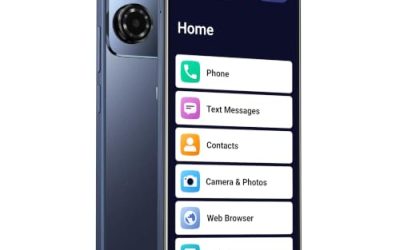
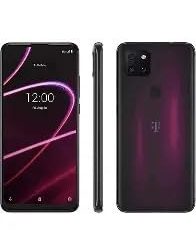
Choosing an Android phone for business is less about camera tricks and more about whether the device will survive a workday of email, video calls, navigation, and a second phone line. The keyword points to a buyer who needs reliability, enough storage for documents, and software that can still receive security updates. That last point matters more than most spec sheets admit, because a phone that holds client data should not be running an operating system several versions behind.
This guide is for freelancers, small-team owners, and field staff who want an unlocked handset without a carrier contract. The five phones below are budget and mid-range models from lesser-known and entry-level brands, so the comparison relies strictly on listed specs: screen size, memory, storage, battery, SIM support, and Android version. Business desk phones, headsets, and flash drives that appeared in the same search results have been left out because they are not handsets. Treat the rankings as a guide to fit rather than a verdict on quality, since a budget phone that matches your workload beats a flagship you never fully use. Read each trade-off line closely before deciding, because the biggest risks here involve software age and support, not hardware.
Our Top Picks


Top 3 picks at a glance
Quick Picks
As an Amazon Associate we earn from qualifying purchases at no extra cost to you.


| Product | Best for | Key spec from the title |
|---|---|---|
| I16 Pro Max 5G | Large-screen multitasking | 6.9-inch 120Hz display, 12GB + 256GB, dual SIM |
| Ulefone Note 22 | Compact, swappable-battery carry | 5-inch, Android 16 Go, removable 3000mAh battery |
| CostMvp 4G Smartphone | Low-cost second line | 6.6-inch HD+, 4GB RAM, 32GB ROM, dual SIM |
| Ghoxrxal I26 Ultra | Note-taking and long days | Built-in stylus, 16GB + 512GB, 7000mAh |
| TCL A30 | Basic calls and messaging | 5.5-inch HD+, 32GB + 3GB RAM, 3000mAh |
How to Choose
Software version and update support
Check the Android version first. A phone shipped with Android 15 or 16 has a better chance of receiving security patches than one running Android 11 or 12. For anything that touches company email or banking apps, treat an older version as a real limitation. Be cautious of listings that never name an update policy, especially from brands with no track record of monthly patches. Android Go editions are lighter builds meant for modest hardware, which can feel quicker on low memory but may restrict some features.
Memory, storage, and expansion
Aim for at least 4GB of RAM and 64GB of storage if you plan to run messaging, email, a CRM app, and a document reader together. Phones listing 32GB of ROM fill up quickly once offline maps and attachments pile up. Expandable storage helps, but a microSD card is slower than built-in storage. Be skeptical of virtual RAM claims, since borrowed storage space does not behave like real memory. When a listing quotes a large total, look for the physical figure, because that is what keeps apps open in the background during calls.
Connectivity and SIM flexibility
Dual SIM lets you keep a personal and work line on one device. Confirm that the phone supports the bands your carrier uses, particularly if you want 5G. A 4G-only handset is fine for most business tasks, but a 5G label matters if you rely on tethering or video calls in crowded areas. Look for GPS, Wi-Fi, and Bluetooth listed explicitly if you navigate or pair headsets. If you travel for clients, an unlocked handset with dual SIM also makes it simple to add a local line without swapping cards constantly.
Battery and screen size
Battery capacity is a better indicator of endurance than a marketing phrase such as long-lasting. Roughly 5000mAh is a common yardstick for a full day of mixed use, while a 3000mAh cell suits lighter use. A removable battery can be a practical advantage for field work. For screens, 6.5 inches or larger helps with spreadsheets, but compact 5-inch phones fit pockets better. Ignore megapixel counts on rear cameras unless you scan documents often. Face unlock is convenient but is generally less secure than a fingerprint sensor or PIN, so set a strong passcode on any phone that holds work accounts.
The 5 Best Options
I16 Pro Max 5G
This handset is the large-screen option for a buyer who wants 5G and plenty of storage on an unlocked, contract-free phone. The title lists Android 16, face unlock, dual SIM, 12GB of RAM with 256GB of storage, a 6.9-inch 120Hz HD display, and GPS. That combination suggests a device aimed at multitasking and mobile document work, with enough screen to keep a calendar, a chat app, and a spreadsheet readable at once.
- Strength: 12GB of RAM and 256GB of storage give room for several work apps and offline files.
- Strength: Dual SIM and 5G support let you carry a work line and a personal line.
- Trade-off: The brand is unfamiliar and the listing gives no update policy, which matters for business data.
Skip it if your company requires managed devices from established manufacturers or if a pocketable size matters more than screen real estate. People who need a guaranteed update schedule in writing should also look elsewhere.
Ulefone Note 22
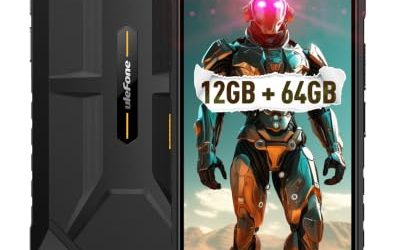
The Note 22 is built for people who want a small phone that still runs a modern operating system. The listing states a 5-inch compact body, Android 16 Go on a 4G connection, 20GB of RAM made up of 3GB physical plus 17GB virtual, 32GB of storage, 2TB of expansion support, and a removable 3000mAh battery.
- Strength: A removable battery allows a quick swap during long field shifts.
- Strength: Android 16 Go is a current version designed for lighter hardware.
- Trade-off: Only 3GB of the listed RAM is physical, and 32GB of storage is tight for work files.
Skip it if you juggle many apps at once or need 5G speeds for video meetings on the road. It is better viewed as a compact companion phone than a primary workhorse for heavy users.
CostMvp 4G Smartphone
This is a low-cost option for someone who needs a dedicated second line or a backup handset. The title lists Android 12.0, a 6.6-inch HD+ display, 4GB of RAM, 32GB of ROM with support for a 256GB SD card, dual SIM, dual cameras, Face ID, Wi-Fi, Bluetooth, FM, and GPS.
- Strength: A 6.6-inch screen is a comfortable size for email and messaging at a budget level.
- Strength: Dual SIM and SD expansion offer flexibility for the cost.
- Trade-off: Android 12 is an older release, so long-term security support is a legitimate concern.
Skip it if the phone will hold sensitive client data or if you need long-term software updates. Treat it as an inexpensive spare for calls, texts, and light email rather than a main business device.
Ghoxrxal I26 Ultra
The I26 Ultra markets itself directly to business users, and its spec sheet backs up the pitch with a 6.99-inch HD display, Android 15, a built-in stylus pen, 16GB of RAM with 512GB of storage, and a 7000mAh battery. The stylus makes it appealing for quick notes and signatures, and the large battery suits long days away from a charger.
- Strength: A 7000mAh battery is the largest capacity in this group.
- Strength: Built-in stylus support adds a note-taking option that rivals rarely include at this tier.
- Trade-off: A near-7-inch body is heavy for one-handed use and hard to slide into a small pocket.
Skip it if you want a compact phone or require a brand with an established service network. Buyers who rely on one-handed typing may also find the near-7-inch screen awkward during commutes.
TCL A30
TCL is the most recognizable brand among these handsets, and the A30 is a no-frills choice. The listing shows a 5.5-inch HD+ display, an 8MP rear camera, 32GB of storage with 3GB of RAM, a 3000mAh battery, and Android 11.
- Strength: A familiar manufacturer name gives some comfort when it comes to warranty and support.
- Strength: The 5.5-inch size is easy to carry and handles calls, texting, and basic email.
- Trade-off: Android 11 is dated, and 32GB with 3GB of RAM leaves little headroom for heavier work apps.
Skip it if you plan to run modern collaboration suites or keep the phone for several years. Its main appeal is the recognizable brand and the simple, small form, not raw capability.
Which One Fits Your Situation
You live in spreadsheets and video calls
The I16 Pro Max 5G offers the largest memory-and-storage combination alongside a big 120Hz display, which makes document work more comfortable than on small screens.
You work outdoors and need a spare battery plan
The Ulefone Note 22 and its removable 3000mAh battery fit field crews, delivery staff, and anyone who cannot plug in during a shift. Its compact size also fits jacket pockets and tool belts better than the larger screens listed here.
You sign forms and take handwritten notes
The Ghoxrxal I26 Ultra pairs a stylus with a 7000mAh battery, which suits contractors and sales staff who annotate paperwork on site. Together, those two features mean fewer trips to a charger and less reliance on a separate notepad.
You just need a cheap line for clients or travel
The CostMvp 4G or the TCL A30 handle calls and messages, though neither should hold sensitive data for long given their older Android versions. Choose the CostMvp if you want a larger 6.6-inch screen and SD expansion, or the TCL A30 if brand familiarity and a smaller body matter more.
Common Mistakes
- Ignoring the Android version and assuming every unlocked phone gets the same security updates.
- Trusting virtual RAM numbers as if they were physical memory.
- Skipping a band check, then discovering the phone lacks coverage on the local carrier.
- Buying a huge screen for a job that requires one-handed use in tight spaces.
- Storing client documents or authentication apps on a bargain phone with no clear update policy, then losing access when the device fails, lacks patches, or rides unprotected in a work bag or vehicle.
Related guides
- Gaming Chair Cushions And Lumbar Supports
- Business Laptops For Graphic Designers
- How To Use Camelcamelcamel For Amazon Deals
Frequently Asked Questions
Is a 5G phone necessary for business use?
Not always. A 4G phone handles email, calls, and most video meetings well. 5G is worth having if you tether a laptop or work in dense areas where networks get congested in 2026.
How much storage should a business phone have?
Start with 64GB for general use and move to 128GB or more if you keep offline files, scans, or large message histories. MicroSD cards can help but run slower than internal storage. Keep photos and archives on the card and leave apps and active documents on the built-in memory.
Does dual SIM really help?
Yes, for anyone who wants to separate work calls from personal ones without carrying two phones. It also helps when traveling and adding a local line. Check that both slots support the network type you need, since some phones limit one slot to slower 4G speeds.
Should I worry about unknown brands?
Be careful. Lesser-known manufacturers may offer strong specs, but warranty service and update schedules can be unclear. Weigh the spec sheet against how much sensitive data the phone will carry. A simple rule is to keep banking, password managers, and client files on a handset from a maker with a published update promise.
Related guides
More from Amazon
Programs that pair well with the guide above. Offers and eligibility are set by Amazon and may change.
Free shipping on eligible items, Prime Video and more. Eligible new members can start with a free trial.
Start a Prime free trialAd-free music streaming. Eligible new subscribers can start with a free trial.
Try Music Unlimited freeA Prime membership for ages 18-24 with a trial period. Eligibility is set by Amazon.
See Prime for Young AdultsAudiobooks and podcasts to listen to on the go. Eligible new members can start with a free trial.
Try Audible freeAs an Amazon Associate we earn from qualifying purchases.