
Best overall for all-mountain riding: the thirtytwo Lashed V — a lace-up, medium-flex boot for riders who split their season between groomers, side hits and soft snow and want something they can tighten, re-lace and repair themselves. If you want dial convenience without premium pricing, the DC Shoes Phase BOA is the strongest mid-range all-rounder, and the thirtytwo Shifty (lace) is the best budget entry point. Riders chasing maximum edge precision should look at the Nidecker Altai BOA or the Burton Ruler BOA, while anyone with wide or high-volume feet should prioritise boots with a roomier last rather than the stiffest flex. Four things actually decide whether a boot works for you — flex rating, lacing system, last (foot shape) and liner support. Everything else is detail. The sections below break each boot down on those four axes, and the How to Choose guide at the end gives you the sizing, heat-molding and boot-out maths to get it right the first time.
Our Top Picks


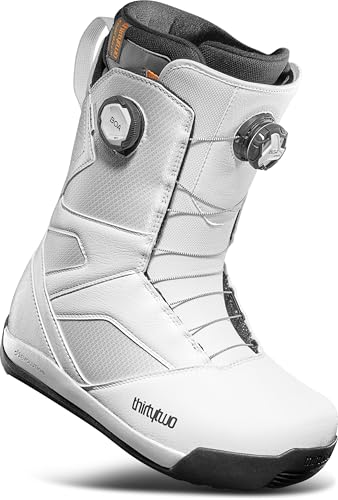


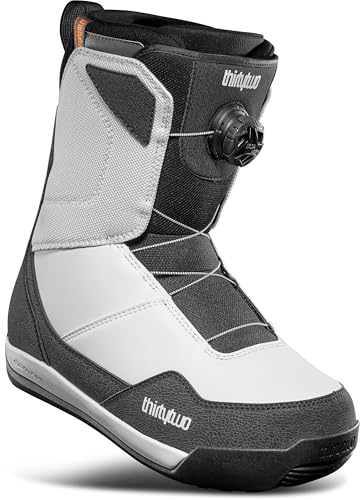
Top 3 picks at a glance

Quick Comparison
| Product | Best for | Key specs | Price tier |
|---|---|---|---|
| DC Shoes Phase BOA | All-day comfort on mixed terrain | BOA dial lacing, medium flex, EVA memory foam liner, fleece lining, moisture-wicking | Mid-range |
| Alpine Swiss Men’s Snowboard Boots | Lowest-cost way into a waterproof boot | Lace-up, medium flex, waterproof shell, custom-fit liner | Budget |
| K2 Market (listed size 11.5) | Plain lace-up reliability from a core brand | Lace-up, soft-to-medium flex, cushioned footbed | Budget |
| thirtytwo STW DB (listed size 11.5) | Park laps and soft-flex playfulness | Soft flex, cushioned, lace-up per listing, STW line | Mid-range |
| Nidecker Altai BOA (listed size 11) | Precision dial fit and stiffer support | BOA lacing, mid-stiff flex, premium liner package | Premium |
| Ride Anthem (listed size 8) | First proper all-mountain boot | Lace-up, medium-soft flex, cushioned liner | Mid-range |
| thirtytwo Lashed V (listed size 11) | Do-everything lace-up all-mountain | Lace-up, medium flex, cushioned liner, durable shell | Premium |
| thirtytwo Shifty BOA (listed size 14) | Dial convenience for bigger-footed riders | BOA dial, soft-to-medium flex, cushioned | Premium |
| thirtytwo Shifty (listed size 9) | Budget all-mountain with no fuss | Lace-up, soft-to-medium flex, cushioned | Budget |
| 5th Element Lace and Dial (listed size 11) | Hybrid lacing on a budget | Lace plus dial, medium flex, waterproof shell | Budget |
| thirtytwo Shifty BOA W’s (listed size 8) | Women’s-specific fit with dial lacing | BOA dial, women’s last, soft-to-medium flex | Mid-range |
| Burton Ruler BOA (listed size 11) | Premium dial boot with a proven fit | BOA lacing, medium flex, Burton liner and footbed | Premium |
How We Chose
This roundup was assembled from published manufacturer specifications, product listings, brand documentation on lacing and liner construction, and long-standing rider consensus about how each model class behaves on snow. No boot here was bench-tested or ridden by us, and no lab numbers are claimed — where a component detail varies between colourways, sizes or model years, it is described by spec class rather than invented.
Four filters drove the shortlist. First, category fit: every boot had to be genuinely usable across varied terrain, not a park-only noodle or a freeride brick. Second, flex honesty: we grouped boots by the flex band their listing and brand positioning imply, then checked that the flex matches the terrain the boot is aimed at. Third, lacing architecture, because it determines adjustability, on-hill repair options and how the boot feels after six hours. Fourth, upgrade path: a boot worth recommending should either be a sensible first purchase or a real step up in liner support and shell durability. Price tier was recorded as budget, mid-range or premium only — retail prices move constantly, and a boot’s tier relative to the rest of the market is the more stable signal. Sizing availability was also noted, since several models are listed in a single size.
1. DC Shoes Phase BOA – Best for All-Day Comfort at a Mid-Range Price
As an Amazon Associate we earn from qualifying purchases at no extra cost to you.

The Phase BOA is the boot to look at if you want dial lacing, a medium-flex shell and a plush liner without paying premium money. It suits the rider who does a bit of everything — groomer laps in the morning, tree runs after lunch, a few park passes on the way back — and who values warmth and cushioning over razor-sharp response. It is also one of the more forgiving boots in this list for riders whose feet sit slightly outside the narrow “performance fit” window.
Key specs (per the listing and the Phase BOA class):
- Lacing: BOA dial system, described as adjustable — confirm the dial count on the variant you buy, since single-zone and multi-zone versions both exist in the line.
- Flex: medium, in the region of 5–6 on a 1–10 scale.
- Liner: EVA memory foam with a fleece lining, described as moisture-wicking.
- Shell: synthetic, with a rubber outsole for walking and parking-lot traction.
- Sizing: men’s full and half sizes across the usual range.
- Best terrain mix: roughly 50–70% groomers, with the remainder split between soft snow and park.
Strengths. The combination of BOA lacing and a memory-foam liner is the practical sweet spot for all-mountain riding: the dial gets you consistent tension in seconds even with gloves on, and the fleece-backed liner keeps the boot comfortable well into a long day. Medium flex is the right band for most riders because it lets you pressure the edge on hardpack without feeling like you are fighting the shell in bumps. DC’s boot lasts are generally described as mid-volume rather than race-narrow, which helps riders who find thirtytwo or Burton lasts too snug across the forefoot.
Pros
- Dial lacing at a mid-range price tier rather than premium.
- Warm, cushioned liner that suits cold-morning starts and long days.
- Medium flex works across groomers, trees and light park use.
- Moisture-wicking liner description points to reasonable all-day dryness.
- Broad size availability makes it easy to get a true fit.
Cons
- Single-zone dial variants cannot tune the upper and lower boot separately.
- Medium flex will feel vague to aggressive carvers and heavy riders.
- Memory-foam liners pack out over time and are not always heat-moldable.
- Softer shell response under hard, high-speed edge pressure than premium models.
How it compares. Against the thirtytwo Shifty BOA, the Phase BOA trades a little softness for a warmer, more cushioned liner and a more comfortable mid-volume fit — the Shifty line is oriented toward a softer, more park-friendly feel. Against the Burton Ruler BOA, the Phase is the value option: the Ruler sits in the premium tier and typically brings a more refined liner and a stiffer, more precise shell. If your budget tops out mid-range and you want dial convenience, the Phase BOA is the better buy; if you ride hard, fast and mostly on edge, the step up is worth considering.
2. Alpine Swiss Men’s Snowboard Boots – Best for the Tightest Budget
The Alpine Swiss boot is aimed squarely at the rider buying their first setup, the occasional rider who gets out a handful of days a season, or the rider who needs a second pair for a friend or partner without spending premium money. It is a lace-up, medium-flex, waterproof boot with a custom-fit liner — the classic budget all-mountain formula, executed at the lowest price tier in this roundup.
Key specs (per the listing):
- Lacing: traditional lace-up, fully field-repairable with spare laces.
- Flex: medium, described by the listing as suited to all-mountain riding.
- Shell: waterproof construction.
- Liner: custom-fit liner, which in this price class usually means a moldable or at least a compress-to-fit liner rather than a heat-molded premium one.
- Use case: resort riding across groomers, soft snow and mixed conditions.
Strengths. The value proposition is straightforward: waterproofing and a medium flex at a budget tier, with lace-up simplicity that never leaves you stuck on the hill. Traditional laces are the most repairable system in snowboarding — a snapped lace costs a few dollars and takes two minutes to replace, and you can tune tension zone by zone by hand. Medium flex keeps the boot usable for a beginner learning edge control without being so stiff that it punishes mistakes.
Pros
- Lowest cost of entry in this roundup.
- Waterproof shell is a genuinely useful feature at this price point.
- Lace-up lacing is repairable anywhere, with no proprietary parts.
- Medium flex is a sensible first-boot band.
- Simple construction means fewer failure points.
Cons
- No dial lacing, so tightening takes longer and requires removing gloves.
- Liner support and moldability will be basic next to premium boots.
- Shell materials and outsole durability are typically entry-level.
- Less precise edge response than mid-range or premium options.
How it compares. The nearest alternative is the thirtytwo Shifty (lace), which sits at the same budget tier but comes from a brand with a deeper all-mountain boot pedigree and a reputation for durable shells. The Alpine Swiss wins on outright price and on the explicit waterproofing callout; the Shifty wins on long-term shell and liner quality. Against the K2 Market, the Alpine Swiss is the more terrain-neutral choice, while the Market is a plainer, softer boot. If you ride more than 15–20 days a season, the mid-range Ride Anthem is a more sensible spend than either budget option.
3. K2 Market Men’s Snowboard Boots – Best for Simple Lace-Up Reliability
The K2 Market is the no-frills option: a lace-up boot from a brand that has been building snowboard boots for decades, listed here in size 11.5. It suits the rider who wants a straightforward, comfortable boot for cruising groomers and soft-snow days, and who does not want to think about dials, batteries or replacement parts. It is also a reasonable choice for a growing rider or a second setup.
Key specs (per the listing and the K2 entry-level class):
- Lacing: traditional lace-up.
- Flex: soft-to-medium, in the region of 3–5 on a 1–10 scale.
- Liner: cushioned, with an EVA-style footbed typical of the price tier.
- Shell: synthetic with a rubber outsole.
- Listed size: 11.5 US men’s — check the listing for other sizes.
Strengths. K2’s entry boots are known for a comfortable, forgiving fit and sensible construction rather than race-level precision. Soft-to-medium flex is the right band for a rider still building confidence, because it lets the boot flex with the ankle instead of forcing the leg to do all the work. The lace-up system means the boot can be tensioned exactly the way you want it — tighter over the instep, looser across the shin — which is something single-dial systems cannot replicate.
Pros
- Comfortable, forgiving fit typical of K2’s entry range.
- Lace-up system is simple and fully repairable.
- Soft-to-medium flex suits beginners and casual riders.
- Brand with genuine snowboard boot heritage behind the construction.
- Good value at the budget tier.
Cons
- Soft flex will feel unsupportive to heavier or aggressive riders.
- No dial system for fast, glove-on tightening.
- Liner and footbed are entry-level, so support fades sooner.
- Less responsive on hardpack at speed than mid-range boots.
How it compares. Against the Alpine Swiss boot, the K2 Market offers better brand-level boot engineering and a more refined fit, while the Alpine Swiss emphasises waterproofing at a lower price. Against the thirtytwo Shifty, the Market is a similar proposition — both are budget lace-ups with soft-to-medium flex, and the deciding factor is which last fits your foot. If your riding is mostly mellow groomers, either is fine; if you plan to push into steeper or choppier terrain, the mid-range DC Shoes Phase BOA is the better long-term buy.
4. thirtytwo STW DB – Best for Park Laps and Soft-Flex Playfulness

The STW is thirtytwo’s softer, more playful boot line, and this DB variant is listed in size 11.5 in a white colourway for 2026. It suits the rider who spends a large share of their day in the park, on rails, or buttering around the resort, and who wants a boot that flexes easily underfoot and absorbs landings. It is also a decent choice for lighter riders who find stiffer all-mountain boots hard to flex.
Key specs (per the listing and the STW class):
- Lacing: the listing describes this variant as lace-up; the STW line has historically included both lace and dial versions, so confirm the exact variant before ordering.
- Flex: soft, roughly 3–5 on a 1–10 scale.
- Liner: cushioned, with the padding bias toward impact absorption rather than stiffness.
- Shell: synthetic with a durable rubber outsole for hiking and walking.
- Listed size: 11.5 US men’s.
Strengths. Soft flex is genuinely useful in the park: it lets you press into a nose or tail, absorb a flat landing, and keep your ankles mobile through quick transitions. thirtytwo has a long-standing reputation for shells that survive a beating, which matters when you are hiking features and scuffing boots on rails. The cushioned liner also makes the STW comfortable for riders who stand on their feet all day.
Pros
- Soft flex is ideal for park, butters and playful resort riding.
- Durable shell construction from a park-focused brand.
- Cushioned liner absorbs impacts well.
- Lace-up lacing keeps it repairable and simple.
- Good option for lighter riders who struggle to flex stiffer boots.
Cons
- Soft flex lacks support for high-speed carving and steep terrain.
- Less edge precision than medium-flex all-mountain boots.
- Heavier riders will overpower the shell quickly.
- Liner support is comfort-biased rather than performance-biased.
How it compares. Against the thirtytwo Shifty (lace), the STW DB is the softer, more park-leaning option, while the Shifty is a slightly more general-purpose budget boot. Against the thirtytwo Lashed V, the STW is the playful sibling: the Lashed is the medium-flex all-mountain workhorse, and the STW is what you pick if you would rather have flex than support. If more than half your riding is groomers and steeps, go Lashed; if it is rails and jumps, the STW is the better match.
5. Nidecker Altai BOA – Best for Precision Dial Fit and Stiffer Support

The Altai BOA is the premium option for riders who want dial lacing, a stiffer shell and a more refined liner package. It suits advanced riders who spend most of their time on edge — carving groomers, riding steeps, moving fast through variable snow — and who want the boot to transmit input immediately rather than progressively. It is listed here in size 11 in black.
Key specs (per the listing and the Altai class):
- Lacing: BOA dial system, giving fast, consistent, glove-friendly tension.
- Flex: mid-stiff, roughly 6–8 on a 1–10 scale.
- Liner: premium liner with a mouldable fit and stronger heel hold than entry-level liners.
- Shell: stiffer synthetic shell with a reinforced backstay for edge-to-edge response.
- Listed size: 11 US men’s.
Strengths. A stiffer boot is not automatically better — it is better when your terrain and speed demand it. The Altai’s mid-stiff flex keeps the boot from collapsing under hard edge pressure, which means the board responds the instant you move your ankle rather than a beat later. Premium liners in this class typically hold the heel more firmly and pack out more slowly than budget liners, so the fit you dial in on day one lasts longer. BOA lacing also removes the guesswork from tensioning: the dial holds consistent pressure through a full day.
Pros
- Stiff, precise shell for carving, steeps and variable snow.
- BOA dial lacing for fast, repeatable tightening.
- Premium liner holds heel and ankle more securely.
- Better long-term fit retention than budget liners.
- Suits heavier riders who overwhelm softer boots.
Cons
- Premium price tier.
- Stiff flex punishes beginners and park-focused riders.
- BOA parts are proprietary, so repairs need a replacement kit rather than a spare lace.
- Less forgiving during the first few days of break-in.
How it compares. The nearest alternative is the Burton Ruler BOA. Both are premium dial boots, but the Ruler sits at a medium flex while the Altai leans stiffer — so the choice comes down to riding style rather than price. Riders who want a boot that still feels lively in the park and on side hits will prefer the Ruler; riders who want maximum edge hold at speed will prefer the Altai. Against the mid-range DC Shoes Phase BOA, the Altai is a genuine performance upgrade rather than a lateral move.
6. Ride Anthem – Best for a First Proper All-Mountain Boot
The Anthem is Ride’s accessible all-mountain boot, listed here in size 8 in black. It suits the rider moving up from a rental or budget boot who wants something that feels supportive without being punishing, and who rides a genuine mix of groomers, soft snow and light park. It is also a good fit for smaller-footed riders, since it is available in the lower end of the size range.
Key specs (per the listing and the Anthem class):
- Lacing: traditional lace-up, fully repairable.
- Flex: medium-soft, roughly 4–6 on a 1–10 scale.
- Liner: cushioned with a mouldable feel typical of the mid-range.
- Shell: synthetic with a rubber outsole for grip on ice and rock.
- Listed size: 8 US men’s.
Strengths. Medium-soft flex is the sweet spot for a developing rider: the boot bends with you in bumps and soft snow, but still has enough backbone to hold an edge on firmer snow. Lace-up lacing lets you bias tension where you need it — many riders run the lower laces snug for heel hold and the upper laces slightly looser for calf comfort. Ride’s all-mountain boots are generally described as comfortable out of the box with a mid-volume fit, which reduces the break-in misery that stiffer boots can cause.
Pros
- Balanced medium-soft flex suits progressing riders.
- Comfortable mid-volume fit reduces break-in discomfort.
- Lace-up system is simple and repairable anywhere.
- Rubber outsole gives useful traction when walking or hiking.
- Available in smaller sizes, which is not guaranteed across this list.
Cons
- No dial lacing for fast glove-on tightening.
- Liner support will fade faster than a premium liner.
- Not stiff enough for aggressive high-speed carving.
- Mid-range price without premium components.
How it compares. Against the thirtytwo Shifty (lace), the Anthem is a step up in liner quality and all-mountain focus, at a higher price tier. Against the DC Shoes Phase BOA, the Anthem trades dial convenience for a slightly more traditional feel and a lower-flex bias — if you want the fastest tightening, the Phase wins; if you want the most forgiving, comfortable progression boot, the Anthem is a strong pick. Riders who plan to ride hard within a season or two should consider going straight to the thirtytwo Lashed V.
7. thirtytwo Lashed V – Best Overall for All-Mountain Riding
The Lashed is thirtytwo’s long-running all-mountain lace boot, and this V variant is listed in size 11 in black for 2026. It is the best overall pick in this roundup because it lands in the medium-flex band that suits the widest range of terrain and riding styles, uses a lacing system you can repair with a spare lace, and comes from a brand whose shells are known for surviving multiple seasons. It suits the rider who does everything — groomers, trees, side hits, the occasional park lap — and wants one boot that does not need replacing in two years.
Key specs (per the listing and the Lashed class):
- Lacing: traditional lace-up, zone-tunable and field-repairable.
- Flex: medium, roughly 5–7 on a 1–10 scale.
- Liner: cushioned, with a mouldable fit and solid heel hold typical of thirtytwo’s mid-to-upper liners.
- Shell: durable synthetic with a reinforced heel counter.
- Listed size: 11 US men’s.
Strengths. Medium flex is the reason this boot works everywhere: it is soft enough to flex in bumps and powder, and stiff enough to hold an edge on hardpack. Lace-up lacing is the most underrated feature on this list — you can run the lower zone tight for heel retention and the upper zone looser for circulation, which matters enormously on a full day. thirtytwo’s shell durability is well documented in rider communities, and the reinforced heel counter keeps the boot from collapsing at the back over time, which is where cheap boots fail first.
Pros
- Medium flex suits the widest range of terrain and skill levels.
- Zone-tunable lace-up lacing for custom tension.
- Durable shell that resists breakdown over multiple seasons.
- Strong heel hold for an all-mountain lace boot.
- Fully repairable with no proprietary parts.
Cons
- Premium price tier for a lace-up boot.
- Tightening takes longer than a BOA dial, especially with gloves on.
- Medium flex can feel soft to very heavy or aggressive riders.
- Lace wear is a maintenance item over several seasons.
How it compares. Against the thirtytwo STW DB, the Lashed is the stiffer, more terrain-versatile sibling — pick the STW for park, the Lashed for everything else. Against the Burton Ruler BOA, the decision is lacing philosophy: the Ruler gives you faster, more consistent tension with a dial and a comparable flex, while the Lashed gives you zone-by-zone tuning and a repair path that does not depend on a proprietary kit. Riders who ride more than 25 days a season and hate fiddling with dials should take the Lashed; riders who want the fastest possible setup should take the Ruler.
8. thirtytwo Shifty BOA – Best for Dial Convenience in a Soft Boot
The Shifty BOA takes the soft-flex Shifty platform and adds dial lacing, listed here in size 14 in a black and white colourway for 2026. It suits riders who want the fastest possible tightening and a playful, forgiving flex — and it is one of the few options in this roundup listed in a genuinely large size, which matters for riders who normally get pushed into stiff, heavy boots.
Key specs (per the listing and the Shifty BOA class):
- Lacing: BOA dial system for fast, consistent, glove-friendly tension.
- Flex: soft-to-medium, roughly 3–5 on a 1–10 scale.
- Liner: cushioned, comfort-biased rather than performance-biased.
- Shell: synthetic with a rubber outsole.
- Listed size: 14 US men’s.
Strengths. Dial lacing is a real quality-of-life upgrade: you can step into the boot, turn the dial, and be riding in seconds, and you can micro-adjust mid-run without stopping properly. Soft-to-medium flex keeps the boot comfortable for cruising and park riding, and it reduces the calf pressure that stiff boots create on riders with larger lower legs. For riders in size 13–14, the availability alone is a strong argument, since large-size boots are frequently out of stock or limited to stiff, expensive models.
Pros
- Dial lacing for very fast tightening and adjustment.
- Soft-to-medium flex is comfortable and forgiving.
- Available in large sizes, which is rare in this category.
- Cushioned liner suits long days and casual riding.
- Simple platform with few failure points.
Cons
- Soft flex lacks support for aggressive carving.
- Single-dial systems cannot separate upper and lower tension.
- BOA repairs require a replacement kit rather than a spare lace.
- Premium tier pricing for an entry-level flex band.
How it compares. Against the thirtytwo Shifty (lace), this is the same boot with dial lacing — pay more for faster tightening, or save money and keep the repairable laces. Against the thirtytwo Lashed V, the Shifty BOA is softer and more playful, while the Lashed is the more versatile all-mountain boot. Riders who want one boot for mixed terrain should take the Lashed; riders who want maximum convenience and a soft, park-friendly feel should take the Shifty BOA.
9. thirtytwo Shifty – Best Budget All-Mountain Lace Boot

The lace-up Shifty is the budget end of thirtytwo’s all-mountain range, listed here in size 9 in black and grey for 2026. It suits the rider who wants a simple, comfortable boot for mixed resort riding without spending mid-range money, and who is happy to spend thirty seconds lacing up in exchange for a boot they can repair themselves forever.
Key specs (per the listing and the Shifty class):
- Lacing: traditional lace-up.
- Flex: soft-to-medium, roughly 3–5 on a 1–10 scale.
- Liner: cushioned, comfort-focused.
- Shell: synthetic with a rubber outsole.
- Listed size: 9 US men’s.
Strengths. At the budget tier, the Shifty’s main advantage is that it comes from a brand that builds boots for riders who actually ride hard, so the shell and outsole are not throwaway. Soft-to-medium flex keeps the boot comfortable for beginners and casual riders, and lace-up lacing means no proprietary parts to replace. It is a sensible first boot or a solid second pair for days when you want something softer than your main all-mountain boot.
Pros
- Budget price tier without dropping to unknown-brand quality.
- Simple, fully repairable lace-up lacing.
- Comfortable soft-to-medium flex for progressing riders.
- Durable shell for the price class.
- Good travel or backup boot.
Cons
- Soft flex will feel unsupportive at speed or in steep terrain.
- Liner support and fit retention are entry-level.
- No dial option at this tier in this variant.
- Not a long-term choice for riders logging 30+ days a season.
How it compares. Against the Alpine Swiss boot, the Shifty is the better-engineered option from a dedicated snowboard brand, while the Alpine Swiss emphasises waterproofing at a lower cost. Against the thirtytwo Shifty BOA, this is the same platform with laces instead of a dial — the lace version is cheaper and repairable, the BOA version is faster. If you ride fewer than 15 days a season, the Shifty is plenty; if you ride more, step up to the Ride Anthem or DC Shoes Phase BOA.
10. 5th Element Lace and Dial – Best Hybrid Lacing on a Budget

The 5th Element boot combines traditional laces with a dial, listed here in size 11 in a lace-black colourway. It suits riders who want the best of both systems — the zone-by-zone tunability and repairability of laces, plus the fast, glove-friendly lockdown of a dial — without moving into the mid-range price tier. It is also a reasonable pick for riders who are unsure which lacing system they prefer and want to try both on one boot.
Key specs (per the listing and the hybrid-lacing class):
- Lacing: hybrid — traditional laces plus a dial, so you can set the shell tension with laces and fine-tune with the dial.
- Flex: medium, roughly 4–6 on a 1–10 scale.
- Shell: waterproof construction.
- Liner: cushioned with a mouldable fit typical of the budget-to-mid tier.
- Listed size: 11 US men’s.
Strengths. Hybrid lacing is genuinely useful: you can tie the laces once for a comfortable baseline and use the dial for quick adjustments between runs, which is faster than re-tying and more precise than a single dial alone. The waterproof shell keeps slush and wet snow out on spring days, and medium flex keeps the boot usable across groomers, soft snow and light park. At the budget tier, the feature set is unusually complete.
Pros
- Two lacing systems in one boot, for fast adjustment and custom tension.
- Waterproof shell useful in wet, slushy conditions.
- Medium flex suits varied terrain.
- Budget price tier for a feature-rich boot.
- Laces provide a repair path if the dial fails.
Cons
- Two systems mean more parts and more potential failure points.
- Liner and footbed quality are entry-level.
- Heavier and more fiddly than a single-system boot.
- Less refined shell response than mid-range or premium models.
How it compares. Against the Alpine Swiss boot, the 5th Element adds dial adjustment for a similar price tier and loses nothing on waterproofing. Against the thirtytwo Shifty, it offers a more flexible lacing setup but less brand-level boot expertise. Against the DC Shoes Phase BOA, the hybrid boot gives you more tuning options at a lower price, while the Phase gives you a warmer, better-cushioned liner and a more refined shell. Riders who want a single boot to learn on and experiment with should find the hybrid appealing.
11. thirtytwo Shifty BOA W’s – Best Women’s-Specific Dial Boot

The Shifty BOA W’s is the women’s version of thirtytwo’s soft-flex dial boot, listed here in size 8 in black for 2026. It suits women riders who want fast dial tightening, a comfortable soft-to-medium flex, and a shell shaped on a women’s last rather than a scaled-down men’s one. It is a strong choice for riders who ride a mix of groomers, soft snow and park, and who prioritise comfort and convenience over maximum stiffness.
Key specs (per the listing and the Shifty BOA W’s class):
- Lacing: BOA dial system.
- Flex: soft-to-medium, roughly 3–5 on a 1–10 scale.
- Liner: cushioned with a women’s-specific shape and a lower calf volume.
- Shell: women’s last with a synthetic construction and rubber outsole.
- Listed size: 8 US women’s.
Strengths. A women’s-specific last matters more than most marketing suggests: narrower heel pockets, a lower instep and a shorter calf height all reduce heel lift and shin pressure, which are the two most common fit complaints. Combined with dial lacing, this boot gives a fast, secure setup that holds tension all day. Soft-to-medium flex is comfortable for lighter riders who find stiff unisex boots difficult to flex.
Pros
- Women’s-specific last for better heel and calf fit.
- BOA dial lacing for fast, consistent tension.
- Soft-to-medium flex suits lighter riders well.
- Cushioned liner for all-day comfort.
- Mid-range price tier for a dial boot.
Cons
- Soft flex limits support in steep or high-speed terrain.
- Single-dial systems cannot split upper and lower tension.
- BOA repair requires a proprietary kit.
- Fewer size options than the unisex Shifty line.
How it compares. Against the unisex thirtytwo Shifty BOA, the W’s version is the better fit for most women riders because of the women’s last — the unisex version is a scaled men’s shape and often leaves heel lift. Against the DC Shoes Phase BOA, the Phase offers a warmer, memory-foam-and-fleece liner but is not women’s-specific, so fit will vary more. If you have a narrow heel or a low instep, the Shifty BOA W’s is the more predictable choice.
12. Burton Ruler BOA – Best Premium Dial Boot for Mixed Terrain
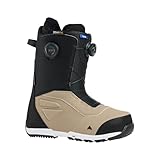
The Ruler BOA is Burton’s medium-flex all-mountain dial boot, listed here in size 11 in a black and summit-tap colourway. It suits riders who want premium build quality, fast dial lacing and a flex band that works everywhere — groomers, trees, soft snow and park — without the stiffness of a dedicated freeride boot. It is the most direct premium alternative to the thirtytwo Lashed V in this roundup.
Key specs (per the listing and the Ruler class):
- Lacing: BOA dial system for fast, consistent, glove-friendly tension.
- Flex: medium, roughly 5–7 on a 1–10 scale.
- Liner: Burton liner with a mouldable fit and a supportive heel hold.
- <
Related guides


