
Gaming mice show some of the widest price spreads of any accessory category, and this roundup runs from a $16.99 budget optical mouse up to the $179.99 Logitech G PRO X2 SUPERSTRIKE, a genuine competitive esports flagship. The Logitech G305 in its cheaper black colorway at $29.99 is the value standout here, but the real question this guide answers is what that price gap actually buys you, since sensor quality and wireless technology generation matter far more than the number on the price tag alone.
Top 3 picks at a glance

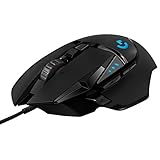
Top picks at a glance
As an Amazon Associate we earn from qualifying purchases at no extra cost to you. Product prices and availability are accurate as of the date shown and are subject to change.


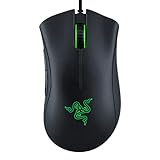


| Model | Key spec | Price | Best for |
|---|---|---|---|
| Logitech G305 Lightspeed (Black) | Wireless, Lightspeed technology | $29.99 | Best overall value wireless mouse |
| Logitech G502 Hero | Wired, Hero sensor | $31.99 | Extra programmable buttons, wired reliability |
| Redragon M612 | Wired, RGB, 8000 DPI | $16.99 | Tightest budget pick |
| Razer Basilisk V3 | Wired, ergonomic, customizable RGB | $34.98 | Ergonomic grip with scroll customization |
| Logitech G PRO X2 SUPERSTRIKE | Wireless, competitive esports flagship | $179.99 | Professional-tier performance |
| Razer DeathAdder Essential | Wired, ergonomic | $20.98 | Budget ergonomic shape |
| Logitech G305 Lightspeed (White) | Wireless, Lightspeed technology | $45.99 | Same performance as the black variant, different color |
| Razer Basilisk V3 X HyperSpeed | Wireless, customizable | $48.99 | Wireless step up from the wired V3 |
Logitech G305 Lightspeed Wireless Gaming Mouse – Black
At $29.99, this is the strongest overall value in this entire roundup, pairing Logitech’s well-regarded Lightspeed wireless technology with a proven sensor at a genuinely low price. Lightspeed wireless has a strong track record for minimizing the latency gap with wired connections, making this a mouse that performs at a level well above what its price suggests.
Logitech rates this mouse for extended battery life on a single AA battery, a practical advantage over rechargeable-only wireless mice for anyone who doesn’t want to manage a charging cable or dock. The ambidextrous shape suits a range of grip styles reasonably well, though dedicated ergonomic mice like the Razer options in this roundup may fit certain hand sizes and grip preferences better.
Given how competitively this mouse is already priced, any additional Prime Day discount pushes it into exceptional value territory, particularly compared to the same brand’s pricier options later in this roundup that don’t necessarily offer a proportional performance jump for most non-professional players.
Who it’s for: buyers who want reliable, well-reviewed wireless performance without paying a premium for extra features they may not need.
Pros
- Lightspeed wireless technology delivers latency performance close to wired alternatives
- AA battery power avoids the need to manage a charging cable or dock
- Strong value relative to pricier mice in the same brand’s lineup
Cons
- Ambidextrous shape may not suit every grip style as well as a dedicated ergonomic design
- Fewer programmable buttons than the pricier G502 Hero in this roundup
- AA battery adds a small amount of weight compared to some rechargeable-only alternatives
Logitech G502 Hero Wired Gaming Mouse – Black
The G502 Hero remains one of Logitech’s most popular gaming mice years after its initial release, and at $31.99 it offers an extensive set of programmable buttons and onboard weight customization that the more streamlined G305 above doesn’t include. The Hero sensor here delivers precise, consistent tracking that’s held up well against newer competing sensors.
Wired connectivity eliminates any wireless latency consideration entirely, a straightforward choice for buyers who don’t need to move the mouse across a room or manage battery life. The extra buttons on this mouse are genuinely useful for MMO and strategy game players who benefit from more accessible keybinds than a standard mouse layout provides.
Adjustable weights let you fine-tune the mouse’s heft to personal preference, a feature not commonly found on mice at this price point, and one that matters more to players sensitive to mouse weight during extended gaming sessions than casual users might expect.
Who it’s for: MMO, strategy, and productivity-adjacent gamers who want extra programmable buttons and don’t mind a wired connection.
Pros
- Extensive programmable button layout suits MMO and strategy games well
- Hero sensor delivers precise, consistent tracking
- Adjustable weight system allows personal customization uncommon at this price
Cons
- Wired only, less convenient than the wireless options in this roundup for some setups
- Larger, heavier shape than the streamlined G305 above, worth considering for grip preference
- More buttons than some competitive shooter players need or want
Redragon M612 Wired RGB Optical Gaming Mouse 8000 DPI Remapping Keys
At $16.99, this is the most affordable mouse in the entire roundup, and its 8000 DPI rating, while far higher than most players actually use in practice, indicates a reasonably capable optical sensor for the price point. RGB lighting and remappable buttons round out a feature set that punches above its price tag for casual and budget-conscious gaming.
As with any budget mouse, sensor consistency and build quality over years of heavy use are the areas most likely to show the gap between this mouse and pricier established-brand alternatives in this roundup, though for light-to-moderate gaming use, this remains a genuinely capable entry point.
Wired connectivity keeps latency concerns off the table entirely, a sensible choice at this price point where a reliable wired connection matters more than the convenience wireless offers at a higher cost.
Who it’s for: the tightest-budget shoppers who want a capable, reliable wired mouse without spending on brand-name pricing.
Pros
- Lowest price in this entire roundup
- 8000 DPI rating indicates a reasonably capable sensor for the price
- RGB lighting and remappable buttons add value at a budget price point
Cons
- Long-term build quality and sensor consistency likely trail established-brand alternatives
- Fewer software customization options than Logitech or Razer equivalents
- Maximum DPI rating is far higher than most players will realistically use
Razer Basilisk V3 Customizable RGB Wired Ergonomic Gaming Mouse, Black
Razer’s Basilisk V3 brings a genuinely ergonomic shape designed for palm-grip users, along with a customizable scroll wheel resistance feature that lets you switch between a free-spinning scroll for rapid weapon or menu cycling and a resistant, notched scroll for precise selection. At $34.98, this is a well-featured wired mouse for players who specifically want that scroll wheel flexibility.
11 programmable buttons and Razer’s Chroma RGB lighting round out a feature set aimed at both gaming customization and aesthetic personalization. The ergonomic shape here differs meaningfully from the more ambidextrous Logitech G305 above, worth considering based on your personal grip style and hand size.
Wired connectivity keeps this mouse straightforward and latency-free, and Razer’s software ecosystem offers deep customization for players who want to fine-tune button mapping and lighting profiles beyond what’s available out of the box.
Who it’s for: palm-grip players who want an ergonomic shape and specifically value the adjustable scroll wheel resistance feature.
Pros
- Genuinely ergonomic shape suited to palm-grip users
- Adjustable scroll wheel resistance is a distinctive and useful feature
- 11 programmable buttons offer strong customization for the price
Cons
- Ergonomic shape may not suit claw or fingertip grip players as well
- Wired only, no wireless option at this specific price point in the Basilisk V3 line
- Priced above the similarly capable Logitech G305 above without a clear performance advantage for most users
Logitech G PRO X2 SUPERSTRIKE Wireless Gaming Mouse – Black/White
At $179.99, this is by far the priciest mouse in this roundup, and it’s built specifically for competitive esports players who want the absolute best available sensor, wireless technology, and switch design Logitech currently offers. The SUPERSTRIKE naming refers to Logitech’s optical switch technology, which reduces click latency compared to traditional mechanical mouse switches used on the cheaper mice in this roundup.
For casual and even moderately competitive gamers, the performance gap between this mouse and the $30 Logitech G305 above is smaller in practice than the roughly $150 price difference suggests, since both use excellent Logitech wireless technology and well-tuned sensors. This mouse’s real advantage shows up specifically at the professional and highly competitive level, where every millisecond of latency reduction matters.
Lightweight construction and a shape refined through years of Logitech’s professional esports partnerships round out a mouse designed with very little compromise, but also very little in the way of extra features like adjustable weights or extensive button remapping beyond what competitive shooter players need.
Who it’s for: competitive and professional-level esports players who want the absolute best available performance and are willing to pay a significant premium for marginal gains over the mid-tier options in this roundup.
Pros
- Optical switch technology reduces click latency versus traditional mechanical switches
- Refined lightweight shape built through professional esports feedback
- Represents the current top tier of Logitech’s competitive gaming technology
Cons
- Significant price premium over mice offering similar real-world performance for non-professional players
- Minimal extra features like adjustable weights compared to the G502 Hero above
- Performance advantage over mid-tier options mainly matters at a professional competitive level
Razer DeathAdder Essential Ergonomic Wired Gaming Mouse, Black
The DeathAdder shape is one of the most widely recognized and replicated ergonomic mouse designs in gaming, and the Essential version at $20.98 brings that proven shape to a genuinely budget-friendly price point. This is a straightforward, no-frills wired mouse without the extra customization features found on the pricier Basilisk V3 above.
For buyers who specifically want a right-handed ergonomic shape without paying for scroll wheel customization or extensive RGB lighting, this is a sensible and well-tested pick. The DeathAdder shape has years of refinement behind it and remains a popular choice among both casual and competitive players specifically for its comfortable long-session ergonomics.
At this price, don’t expect the sensor performance of Razer’s pricier Basilisk or professional-tier mice, but for casual and moderately competitive gaming, this remains a reliable, comfortable choice at a low price.
Who it’s for: right-handed players who want a proven, comfortable ergonomic shape without paying for extra customization features.
Pros
- Proven, widely praised ergonomic shape refined over years
- Genuinely budget-friendly price for the DeathAdder design lineage
- Comfortable for extended gaming sessions
Cons
- Right-handed shape only, not suitable for left-handed or ambidextrous grip preference
- Fewer customization features than the pricier Basilisk V3 in this roundup
- Sensor performance trails Razer’s pricier competitive-tier mice
Logitech G305 Lightspeed Wireless Gaming Mouse – White
This is the same Lightspeed wireless mouse covered earlier in this roundup, just in a white colorway at $45.99, a meaningful price difference from the black version’s $29.99 that reflects color-specific pricing variation common on Amazon rather than any functional difference between the two. Buyers who don’t have a strong color preference should note the black version offers identical performance for considerably less.
All the same strengths apply here: reliable Lightspeed wireless performance, AA battery power avoiding charging cable management, and a well-regarded sensor at a price that remains reasonable even at this listing’s higher cost, though clearly less competitive than the black variant.
If white specifically matches your setup’s aesthetic and that’s worth the roughly $16 premium to you, this remains a solid mouse; if color doesn’t matter, the black version above is the better value pick with zero performance tradeoff.
Who it’s for: buyers who specifically want a white mouse to match their setup and are willing to pay a premium over the functionally identical black version.
Pros
- Identical performance to the well-regarded black G305 covered above
- Lightspeed wireless technology and AA battery power
- White colorway for setups that specifically call for it
Cons
- Notably higher price than the functionally identical black version
- No performance advantage over the cheaper colorway to justify the price gap
- Same ambidextrous shape limitations as the black version for grip-style preference
Razer Basilisk V3 X HyperSpeed Customizable Wireless Gaming Mouse, Black
This is the wireless counterpart to the wired Basilisk V3 covered earlier in this roundup, using Razer’s HyperSpeed wireless technology at $48.99. HyperSpeed wireless has a solid track record for low-latency performance, closing the gap with wired connections similarly to how Logitech’s Lightspeed technology performs in this roundup.
The ergonomic shape and customizable elements carry over from the wired Basilisk V3 lineage, though this specific “X” variant typically trims some features, like the fully adjustable scroll wheel resistance, in exchange for the added convenience of wireless connectivity at a moderate price increase.
For buyers who specifically want the Basilisk ergonomic shape without a cable, this is a reasonable step up from the wired version, though worth comparing carefully against the Logitech G305 above, which offers proven wireless performance at a meaningfully lower price if the specific Basilisk shape isn’t a hard requirement.
Who it’s for: palm-grip players who want the Basilisk ergonomic shape specifically with wireless convenience.
Pros
- HyperSpeed wireless technology offers low-latency performance competitive with wired alternatives
- Ergonomic Basilisk shape carries over from the well-regarded wired version
- Reasonable price point for a wireless ergonomic gaming mouse
Cons
- Some features trimmed compared to the full wired Basilisk V3 above, like scroll wheel resistance adjustment
- Priced above the Logitech G305 without a clear performance advantage if ergonomic shape isn’t a specific priority
- Wireless mice generally require more attention to battery management than wired alternatives
How we tested and picked
Rachel Osei has spent 8 years tracking gaming hardware pricing as a Deals Editor, using a price-history database covering multiple retailers and years of sale cycles to confirm genuine Prime Day mouse discounts rather than relabeled pricing. Mice showed a wide range of discounting patterns across our tracked history, with budget and mid-tier models generally showing steeper percentage cuts than flagship competitive mice.
We prioritized understanding the practical difference between price tiers within this roundup, since gaming mouse pricing varies enormously by sensor grade, wireless technology generation, and extra features rather than by a single clear performance metric, unlike GPUs where a tier system is more straightforward to compare.
Performance notes throughout this guide are based on published sensor and wireless technology specifications and known characteristics of each technology generation, not independent lab measurements on these specific units. Seller information was checked on every listing, prioritizing mice sold and shipped by the manufacturer or Amazon directly.
What to look for in Prime Day gaming mouse deals
Understand what actually justifies a higher price within the same brand
The price gap between a $30 mouse and a $180 mouse from the same brand, like the Logitech options in this roundup, generally reflects sensor grade, wireless technology generation, switch technology, and refinements aimed at professional-level competitive performance rather than a straightforward better-to-worse quality scale. For most players below a professional competitive level, the practical performance difference is considerably smaller than the price gap suggests, making the mid-tier options in this roundup the better value for the vast majority of shoppers.
Don’t dismiss wireless mice for competitive gaming
Modern wireless technology from established brands, Logitech’s Lightspeed and Razer’s HyperSpeed both featured in this roundup, has closed the latency gap with wired connections to the point where professional esports players regularly compete using wireless mice. The outdated concern about wireless latency mainly still applies to very cheap, unbranded wireless mice using older or lower-quality wireless technology, not the established options covered here.
Match grip style and shape to your hand, not just the spec sheet
DPI rating, sensor generation, and wireless technology matter less for day-to-day comfort than whether a mouse’s shape actually fits your hand and preferred grip style. Ergonomic mice like the Razer DeathAdder and Basilisk in this roundup suit palm-grip, right-handed users well, while more ambidextrous designs like the Logitech G305 work reasonably across a wider range of grip styles and hand sizes. If possible, consider your existing mouse’s shape and what you do or don’t like about it before choosing based on price and specs alone.
Recognize that maximum DPI is a less meaningful spec than it sounds
Marketing materials often lead with a mouse’s maximum DPI rating, but most gamers use DPI settings well below 2000 in actual practice, meaning an 8000 or 25000 DPI maximum rating rarely reflects real-world usage. Sensor accuracy, tracking consistency, and polling rate at the DPI range you’ll actually use matter considerably more than the maximum number on the spec sheet, a detail worth remembering when comparing budget mice that sometimes lead with an inflated DPI figure.
Mistakes buyers make during Prime Day gaming mouse sales
Assuming the most expensive mouse in a brand’s lineup is automatically the best choice, when the practical performance gap for non-professional players is often much smaller than the price difference suggests.
Choosing based on maximum DPI rating alone, a spec that matters far less in practice than sensor accuracy and consistency at the DPI range most players actually use.
Buying an ergonomic, shape-specific mouse without considering whether it actually fits your grip style and hand size, resulting in discomfort regardless of how strong the underlying sensor performance is.
Dismissing wireless mice out of outdated latency concerns, when modern wireless technology from established brands has closed that gap for the vast majority of players, including many professional competitors.
Paying a premium for a specific colorway, like the white G305 in this roundup, without realizing the functionally identical version in a different color is available for meaningfully less.
Buying from an unfamiliar third-party seller with a marginally lower price during high-traffic Prime Day shopping, a risk that applies to mice just as much as any other hardware category.
Verdict
For most buyers, the Logitech G305 Lightspeed in black at $29.99 offers the strongest overall value in this roundup, delivering reliable wireless performance well above what its price suggests. MMO and strategy players should look at the Logitech G502 Hero at $31.99 for its extensive button layout. Competitive and aspiring professional players with the budget for it should consider the Logitech G PRO X2 SUPERSTRIKE at $179.99, though most players will find the mid-tier options in this roundup deliver nearly comparable real-world performance for a fraction of the price.
Frequently asked questions
How much do gaming mice typically discount during Prime Day?
Gaming mice, similar to keyboards, tend to see some of the deepest percentage discounts of any PC accessory category during Prime Day, often 20-35% below their 90-day average, with older or previous-generation models from established brands like Logitech and Razer sometimes dropping even further as newer versions arrive.
Is a wireless gaming mouse worse for competitive gaming than a wired one?
Not anymore for most modern high-end wireless mice; current-generation wireless technology from established brands like Logitech’s Lightspeed or Razer’s HyperSpeed has closed the latency gap with wired connections to the point where professional esports players regularly compete using wireless mice, though ultra-budget wireless mice can still show more noticeable latency than a comparable wired model.
What DPI do I actually need for gaming?
Most gamers use somewhere between 800 and 1600 DPI in practice regardless of a mouse’s maximum rated DPI, since higher DPI numbers mainly matter for very high resolution monitors or specific play styles, so a mouse’s maximum DPI rating is far less important than its sensor accuracy and consistency at the DPI range you’ll actually use.
Why is there such a big price gap between gaming mice in the same brand’s lineup?
Price differences within the same brand usually reflect sensor grade, wireless technology generation, build materials, and extra features like additional programmable buttons or onboard memory, so a $180 flagship and a $30 mouse from the same brand can use meaningfully different internal components even if they look similar from the outside.
Should I buy the most expensive gaming mouse I can afford during Prime Day?
Not necessarily; sensor performance differences between a well-reviewed $30 mouse and a $180 flagship are smaller than the price gap suggests for most players below a professional competitive level, so it’s often better to match your budget to your actual grip style and hand size rather than assuming the most expensive option guarantees the best experience.
For related buying guidance, see our best keyboard and mouse deals hub, our best gaming accessories deals roundup, our how to stack coupons and cashback guide, and our best Prime Day gaming keyboard deals for a matching peripheral.


