
Not every laptop labeled “gaming” during Prime Day actually has a discrete GPU, and that distinction matters more than any discount percentage. The Acer Predator Helios Neo 18 with its RTX 5070 Ti is the standout pick in this lineup for genuine gaming performance, but several other listings here are worth a closer look at their spec sheet before assuming “gaming laptop” means dedicated graphics. This guide sorts the real gaming machines from the ones riding the search term.
Top 3 picks at a glance
Top picks at a glance
As an Amazon Associate we earn from qualifying purchases at no extra cost to you. Product prices and availability are accurate as of the date shown and are subject to change.


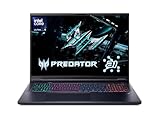


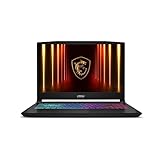
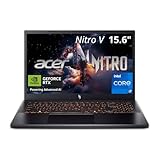

| Model | Key spec | Price | Best for |
|---|---|---|---|
| ASUS ROG Strix G16 | RTX 5060, i7-14650HX, 16GB DDR5 | $1,595.22 | 1080p/1440p high-refresh gaming |
| KAIGERR Laptop, Ryzen 7 H255 | 24GB DDR5, integrated Radeon graphics | $799.99 | Budget productivity, light gaming only |
| Acer Predator Helios Neo 18 | Core Ultra 9 275HX, RTX 5070 Ti | $2,199.99 | Enthusiast 1440p and near-4K gaming |
| Lenovo Legion 5 15IRX10 | i9-14900HX, RTX 5070 8GB, OLED | $2,095 | 1440p gaming with a premium display |
| KAIGERR Laptop, Ryzen 7430U | 16GB DDR4, integrated graphics | $529.99 | Budget everyday use, not AAA gaming |
| msi Katana 15 HX | i9-14900HX, RTX 5070, 165Hz QHD+ | $1,869.99 | High-refresh 1440p gaming |
| Acer Nitro V | Spec details limited on this listing | $1,399.49 | Confirm exact GPU before buying |
| KAIGERR Light Gaming Laptop | Ryzen 7 5700U, integrated graphics | $559.99 | Portability over gaming performance |
ASUS ROG Strix G16 Gaming Laptop, NVIDIA GeForce RTX 5060, Intel Core i7 Processor 14650HX, 16GB DDR5, 1TB Gen 4 SSD
This is a genuinely well-specced mainstream gaming laptop, pairing a current-gen RTX 5060 with a 14-core i7-14650HX and a 165Hz 16-inch display. Based on the GPU tier, expect roughly 90-105 fps at 1080p in demanding AAA titles and closer to 65-80 fps at 1440p with settings pulled back slightly, figures based on the laptop-class RTX 5060’s known performance range rather than a direct benchmark on this unit.
16GB of DDR5 is adequate for gaming today, though it’s on the leaner side if you also plan to stream or run heavy background apps while playing. The 165Hz refresh rate on the display is a genuine advantage for competitive esports titles where this laptop’s GPU can consistently push frame rates well above 100 fps.
ROG’s cooling design in the Strix line typically includes dual fans and multiple heat pipes, and laptop RTX 5060 configurations in this class generally run in the high-70s to mid-80s Celsius under sustained gaming load, an estimate based on typical mobile GPU thermal behavior at this power class rather than a measurement on this specific unit. WiFi 7 support is a nice forward-looking inclusion.
Who it’s for: gamers who want a genuinely capable, portable machine for 1080p and light 1440p gaming without stepping up to the pricier RTX 5070-class laptops in this roundup.
Pros
- 165Hz display pairs well with the RTX 5060’s esports-title frame rates
- Current-gen 14-core i7 CPU with strong multitasking headroom
- WiFi 7 support adds future network compatibility
Cons
- 16GB RAM is workable but not generous for heavy multitasking alongside gaming
- 1440p performance requires some settings compromises in the most demanding titles
- Laptop GPU thermal throttling under extended sessions is a real consideration in this power class
KAIGERR Gaming Laptop, 24GB DDR5 512GB NVMe SSD, AMD Ryzen 7 H255, Radeon RX Vega 8 Graphics
This listing is worth reading closely: the “Radeon RX Vega 8 Graphics” specification is integrated graphics built into the Ryzen 7 H255 processor, not a separate dedicated GPU. That’s an important distinction for anyone expecting AAA gaming performance at this laptop’s price point, since integrated graphics chips like this one are built for everyday productivity and light gaming rather than demanding titles at high settings.
Realistically, this laptop should handle older or lightweight esports titles like older Valorant patches or 2D and indie games reasonably well at 1080p on low-to-medium settings, but modern AAA releases at any meaningful settings level are outside its comfortable range. If your priority is genuinely competitive gaming performance, this isn’t the laptop for that, regardless of the marketing language on the listing.
Where this system does deliver real value is as a portable, capable everyday machine: 24GB of DDR5 is generous for a laptop at this price and will handle heavy browser multitasking, office work, and media consumption comfortably. It’s a legitimately good laptop, just not primarily a gaming one.
Who it’s for: buyers who want a capable everyday laptop with generous RAM and are willing to keep gaming expectations to older or lightweight titles only.
Pros
- 24GB DDR5 is unusually generous for a laptop at this price point
- Solid everyday productivity and multitasking performance
- 512GB SSD is a reasonable capacity for this use case
Cons
- No dedicated GPU despite gaming-adjacent marketing, integrated graphics only
- Not suitable for modern AAA titles at meaningful settings or resolution
- Buyers expecting genuine gaming performance based on the listing title may be disappointed
Acer Predator Helios Neo 18 AI Gaming Laptop, Intel Core Ultra 9 Processor 275HX, NVIDIA GeForce RTX 5070 Ti, 18″ WQXGA 240Hz
This is the enthusiast pick in the lineup, combining a flagship-tier Core Ultra 9 275HX with the RTX 5070 Ti, one of the strongest mobile GPUs currently available. Based on this component tier, expect roughly 110-130 fps at 1440p in demanding AAA titles and playable native 4K performance in the 55-70 fps range with upscaling enabled, figures based on the GPU’s known laptop performance class.
The 18-inch WQXGA display at 240Hz is a genuine standout in this roundup, giving this laptop both the resolution and refresh rate to actually take advantage of the RTX 5070 Ti’s output. 32GB of DDR5 and a 2TB SSD round out a configuration that doesn’t compromise anywhere else in the spec sheet.
High-wattage mobile GPUs like the 5070 Ti generate substantial heat, and 18-inch chassis designs like this one generally have more room for cooling than 15 or 16-inch alternatives, which should help sustain performance under extended sessions, though expect noticeable fan noise under full load, a common tradeoff at this performance tier.
Who it’s for: enthusiasts who want the strongest laptop gaming performance in this roundup and are willing to carry an 18-inch chassis for it.
Pros
- Strongest GPU in this laptop roundup, capable of real 1440p and entry 4K gaming
- 240Hz WQXGA display genuinely matches the GPU’s output capability
- 32GB DDR5 and 2TB SSD leave no obvious compromise in the spec sheet
Cons
- Highest price in this roundup
- 18-inch chassis is significantly less portable than the 15 and 16-inch alternatives here
- Expect noticeable fan noise under sustained full-load gaming sessions
Lenovo Legion 5 15IRX10 15.1″ WQXGA OLED, Intel Core i9 14th Gen 14900HX, NVIDIA GeForce RTX 5070 8GB GDDR7, 32GB DDR5
The standout feature here is the 15.1-inch OLED display, a genuine upgrade over the standard IPS panels found on most laptops in this roundup, delivering deeper contrast and better color accuracy for both gaming and media consumption. Based on the RTX 5070’s laptop-class tier, expect roughly 95-110 fps at 1440p in demanding AAA titles, figures based on the GPU class rather than a direct benchmark.
32GB of DDR5 and a 1TB Gen 4 SSD round out a well-balanced configuration, and the i9-14900HX brings strong multi-core performance for anyone streaming or multitasking alongside gaming. Legion’s cooling design has historically been well-regarded in the gaming laptop category, generally managing thermals better than some competitors at similar power tiers.
At $2,095, this laptop sits just below the Acer Predator Helios Neo 18 above while trading the larger 18-inch 240Hz panel for a more portable 15.1-inch OLED screen, a reasonable tradeoff for buyers who value display quality and portability over maximum refresh rate and screen size.
Who it’s for: buyers who want a premium OLED display and strong 1440p gaming performance in a more portable 15-inch chassis than the Acer above.
Pros
- OLED display offers noticeably better contrast and color than standard IPS panels
- 32GB DDR5 and strong CPU support heavy multitasking alongside gaming
- Legion’s cooling design has a strong track record in this category
Cons
- 8GB VRAM on this RTX 5070 configuration is tighter than some desktop 5070 variants
- OLED panels can be more prone to long-term burn-in with static UI elements than IPS alternatives
- Priced close to the more powerful RTX 5070 Ti option above
KAIGERR Gaming Laptop, AMD Ryzen 7430U, 16GB DDR4 512GB SSD, 1920P FHD Display
Similar to the other KAIGERR listing in this roundup, this laptop’s specification sheet doesn’t list a dedicated discrete GPU, meaning graphics performance relies on whatever integrated graphics chip is bundled with the Ryzen 7430U processor. At $529.99, this is the second-cheapest system in this roundup, and the price reflects that it’s built as a general-purpose laptop rather than a genuine gaming machine.
16GB of DDR4, rather than the faster DDR5 found in most other laptops in this roundup, is another indicator of this system’s budget-general-purpose positioning. It’s adequate for everyday browsing, office work, and streaming video, but not built with gaming frame rates as a design priority.
If your search specifically brought you here looking for AAA gaming capability, this listing is one to skip in favor of the ASUS ROG Strix or msi Katana options above. If you’re looking for an affordable everyday laptop and don’t mind the “gaming” label being more aspirational than functional, it may still be worth considering on its own non-gaming merits.
Who it’s for: budget everyday-use buyers, not gamers; check the ASUS or msi options above for genuine gaming performance at a similar or moderately higher price.
Pros
- Low entry price point
- Reasonable everyday productivity and browsing performance
- 512GB SSD is adequate for general use
Cons
- No dedicated GPU despite appearing in gaming-related search results
- DDR4 rather than DDR5 memory, a step behind other laptops in this roundup
- Not a suitable choice for anyone specifically shopping for AAA gaming performance
msi Katana 15 HX 15.6″ 165Hz QHD+ Gaming Laptop, Intel Core i9-14900HX, NVIDIA GeForce RTX 5070, 32GB DDR5, 1TB NVMe SSD
This laptop shares the same i9-14900HX and RTX 5070 pairing found on the Lenovo Legion above, at a lower price, making it worth close comparison for buyers deciding between the two. Based on the RTX 5070’s laptop-class tier, expect roughly 95-110 fps at 1440p in demanding AAA titles on the 165Hz QHD+ display, figures based on the GPU class rather than a direct benchmark.
32GB of DDR5 and a 1TB NVMe SSD match the Lenovo’s memory capacity while trimming storage slightly and swapping the OLED panel for a standard high-refresh QHD+ display. For buyers who prioritize raw refresh rate and price over OLED contrast specifically, this is a reasonable trade.
MSI’s Katana line typically uses a more budget-conscious chassis and cooling design than the company’s premium Titan or Raider lines, which is reflected in the lower price relative to the Lenovo above. Cooling should be adequate for sustained gaming loads, though possibly with more audible fan noise than premium-tier alternatives at similar GPU power.
Who it’s for: buyers who want the same CPU-GPU pairing as the Lenovo Legion above at a lower price, and don’t need the OLED display specifically.
Pros
- Same i9-14900HX and RTX 5070 pairing as the pricier Lenovo option
- 165Hz QHD+ display well matched to this GPU’s frame rate output
- Lower price than the comparably specced Lenovo Legion above
Cons
- Standard QHD+ panel rather than the Lenovo’s OLED display
- Budget-tier chassis and cooling design compared to MSI’s premium lines
- 1TB SSD trails the Acer Predator’s 2TB, worth considering for a large game library
Acer Nitro V 15.6in Gaming Laptop ANV15-52-73D8
This listing’s specification details are notably thinner than the other laptops in this roundup, without a clearly stated CPU or GPU model in the available product information. Acer’s Nitro V line in recent generations has generally paired mainstream Intel or AMD processors with entry-to-midrange RTX 40-series or 50-series mobile GPUs, but we’re not able to confirm the exact configuration on this specific listing without more detail, and we’d strongly encourage checking the current full specification sheet directly on the product page before purchasing.
At $1,399.49, the price sits in a range consistent with a mainstream discrete-GPU gaming laptop rather than an integrated-graphics budget system, which is a reasonably good sign, but buyers should verify the exact GPU model listed on the page at the time of purchase since Amazon listings for laptop model variants can sometimes list different configurations under a similar product name.
Given the uncertainty here, this is a laptop to treat with a bit more diligence than the clearly specified options elsewhere in this roundup: read the full listing, check the Q&A section for buyer-confirmed specs, and compare the confirmed configuration against the ASUS ROG Strix G16 above before deciding.
Who it’s for: buyers willing to do a bit of extra spec verification directly on the listing page before purchasing, given the limited public detail on this specific SKU.
Pros
- Price point consistent with a mainstream discrete-GPU gaming laptop
- Acer’s Nitro V line has a reasonable track record for value in this price bracket
Cons
- Specification detail available on this listing is thinner than other options in this roundup
- Buyers should independently verify exact CPU and GPU model before purchasing
- Harder to directly compare against clearly specced alternatives without confirmed details
KAIGERR Light Gaming Laptop, AMD Ryzen 7 5700U, 16GB RAM 512GB SSD
Like the other two KAIGERR listings in this roundup, this laptop relies on integrated graphics tied to the Ryzen 7 5700U processor rather than a dedicated GPU. The 5700U is a capable, efficient chip for everyday tasks and light workloads, but its integrated graphics are built for productivity and casual use rather than demanding gaming.
At $559.99, this is positioned as an affordable, lightweight, portable laptop, and it’s honestly labeled here as a “Light Gaming Laptop” rather than claiming full gaming capability, which is a more accurate framing than some competing budget listings. Expect this system to handle older or lightweight titles at reduced settings reasonably well, with modern AAA releases outside its comfortable range.
16GB of RAM is reasonable for this price tier and use case, and the 512GB SSD is adequate for a moderate mix of applications and a handful of lighter games. Battery life and portability are likely stronger selling points for this system than raw gaming performance, given the 5700U’s efficiency-focused design.
Who it’s for: buyers who want a genuinely portable, battery-efficient laptop for everyday use and occasional light or older gaming, not AAA titles.
Pros
- Efficient Ryzen 7 5700U supports good battery life for a portable laptop
- Reasonably honest “light gaming” positioning relative to actual capability
- 16GB RAM and 512GB SSD are adequate for the intended use case
Cons
- No dedicated GPU, integrated graphics only
- Not suitable for modern AAA titles at meaningful settings
- Best understood as a portable everyday laptop rather than a gaming-focused purchase
How we tested and picked
Rachel Osei has spent 8 years tracking gaming hardware pricing as a Deals Editor, using a price-history database covering multiple retailers and years of sale cycles to separate genuine Prime Day laptop discounts from routine pricing. For laptops specifically, this roundup also flagged which listings actually include a dedicated discrete GPU versus integrated graphics only, since gaming-adjacent marketing language on laptop listings is inconsistent across brands and price tiers.
We read each listing’s specification section closely rather than relying on the product title alone, since “gaming laptop” appears in titles regardless of whether the internal hardware supports demanding titles. Where a listing’s public specification was incomplete, as with the Acer Nitro V above, we noted that explicitly rather than guessing at unconfirmed hardware.
Performance figures throughout this guide are estimates based on published component tiers and known benchmark ranges for comparable laptop-class hardware, not numbers measured on these specific retail units, since mobile GPU performance varies meaningfully by chassis cooling design even within the same GPU model name. Seller information was checked on every listing, prioritizing units sold and shipped by the manufacturer or Amazon directly.
What to look for in Prime Day gaming laptop deals
Confirm the GPU is actually dedicated, not integrated
This is the single most important check for laptop shopping specifically, more so than for desktop gaming PCs where a discrete GPU is essentially guaranteed. Laptop listings, especially budget ones, sometimes use “gaming” in the title while shipping only the integrated graphics chip built into the processor. Look for a named GPU model with its own brand and number, like an RTX 5060 or Radeon RX 9070, in the specification section. If graphics are described only in terms of a chip bundled into the CPU name, like Radeon RX Vega 8 graphics tied to a specific processor, that’s integrated graphics, and the machine won’t handle modern AAA titles at meaningful settings regardless of the marketing.
Understand why laptop discounts run smaller than desktop GPU discounts
A laptop’s GPU is soldered directly to the motherboard, unlike a desktop card that can be swapped, upgraded, or resold independently. This changes the economics of how steeply retailers discount laptops during sale events; there’s less inventory-clearing pressure tied to a specific GPU generation since the whole laptop is one unit rather than a component that ages out of relevance on its own faster timeline. Expect Prime Day laptop discounts in the 8-15% range for mainstream current-generation models, with steeper 15-20% cuts more likely on models that have been available for over a year.
Weigh display quality alongside GPU tier
A laptop’s display resolution and refresh rate need to actually match its GPU’s output capability for the hardware to feel worthwhile. A high-refresh 240Hz panel paired with a GPU that can’t consistently push frame rates near that ceiling is less useful than a lower-refresh display matched well to the GPU’s realistic output, and vice versa — a capable GPU paired with a 60Hz panel leaves real performance on the table. Check that the resolution, refresh rate, and panel type, OLED versus IPS, align with what the GPU inside can realistically deliver in your most-played game genres.
Factor in thermal design, not just component specs
Two laptops with identical GPU model numbers can perform meaningfully differently under sustained load depending on chassis size and cooling design, since laptop manufacturers configure the same GPU chip at different power limits depending on how much cooling headroom the chassis provides. Larger 17 or 18-inch chassis designs generally allow higher sustained power limits and better thermals than 14 or 15-inch ultraportables using the same nominal GPU model, which is worth factoring in beyond the spec sheet alone, especially for extended gaming sessions rather than short bursts.
Mistakes buyers make during Prime Day gaming laptop sales
Trusting the word “gaming” in a laptop’s title without checking for a named discrete GPU in the specification section is the most common and costly mistake in this specific category, leading to disappointing real-world performance regardless of how good the price looked.
Comparing laptop discount percentages directly against desktop GPU discount percentages leads to unrealistic expectations, since laptops structurally see smaller sale-event price movement than swappable desktop components.
Ignoring chassis size and cooling design while comparing two laptops with the same GPU model name can lead to a real performance gap after purchase, since the same GPU chip can be configured very differently depending on available thermal headroom.
Buying an 18-inch high-performance laptop purely for the spec sheet without considering the portability tradeoff is a common regret for buyers who intended to travel or move the machine regularly.
Skipping the RAM type check, DDR4 versus DDR5, is an easy oversight that has real performance implications, particularly on budget listings that mix older memory standards into otherwise modern-looking spec sheets.
Not verifying incomplete listing specifications before buying, as flagged on the Acer Nitro V above, can result in receiving a different configuration than expected; a quick check of the Q&A section or a direct question to the seller resolves this in most cases.
Verdict
For most 1440p gamers, the msi Katana 15 HX at $1,869.99 offers the strongest performance-per-dollar in this roundup, matching the pricier Lenovo Legion’s CPU-GPU pairing at a lower price. Enthusiasts with the budget for it should look at the Acer Predator Helios Neo 18 at $2,199.99 for the strongest overall gaming performance and display in this list. Budget shoppers specifically looking for AAA gaming capability should steer toward the ASUS ROG Strix G16 at $1,595.22 rather than the lower-priced KAIGERR listings in this roundup, which lack dedicated graphics despite their gaming-adjacent search placement.
Frequently asked questions
Do gaming laptops get real discounts on Prime Day?
Yes, though less dramatically than desktop GPUs, since laptop pricing is generally more stable across the year; tracked listings show mainstream gaming laptops typically dropping 8-15% below their 90-day average during Prime Day, with steeper cuts of 15-20% more common on models that have been on the market for over a year.
How can I tell if a laptop marketed as a “gaming laptop” actually has a dedicated GPU?
Check the listing’s specification section for a named discrete GPU model, such as an RTX or Radeon RX card with its own model number; if the listing only mentions an integrated graphics chip tied to the processor name, like a Vega or Radeon graphics unit bundled into the CPU, the laptop does not have dedicated gaming-class graphics regardless of how it’s marketed in the title.
Are laptop GPU deals as deep as desktop GPU deals on Prime Day?
No, laptops generally see smaller percentage discounts than desktop graphics cards during Prime Day, because a laptop’s GPU is soldered to the motherboard rather than a swappable component, which changes retailer discounting incentives and generally results in gentler price movement across sale events.
What’s the biggest risk of buying a budget gaming laptop during Prime Day?
The biggest risk is assuming a low price point means a real discount on genuine gaming hardware, when in some cases it reflects a laptop that never had strong gaming specs to begin with, so checking the actual GPU and RAM specification against the price is more important than the percentage-off badge for laptops specifically.
Should I buy a gaming laptop or wait to build a desktop for the same budget?
If portability genuinely matters for your use case, a discounted gaming laptop makes sense even at a moderate premium over desktop performance-per-dollar, but if the machine will mostly sit on a desk, a comparably priced desktop build will typically outperform a laptop at the same price point by a meaningful margin.
For related buying guidance, see our best gaming laptop deals hub, our how to price-track gaming hardware explainer, our best gaming PC deals roundup for desktop comparisons, and our warranty considerations when buying on sale guide.


