
The processor question changes the moment you decide to stream while you game. A pure gaming CPU can get away with fewer cores, but streaming, background apps and a busy desktop ask more of the processor at once. The good news is that you do not need a flagship chip to do both well — you need the right core count and the discipline to let your graphics card handle the encoding. Spend with that in mind and you save a whole tier while keeping both your game and your stream smooth.
Top 3 picks at a glance
Cores matter more once you multitask
When you game alone, six fast cores are plenty. Add a live stream, a browser with chat and alerts, and recording software, and those extra background threads start to matter. A modern six to eight core CPU hits the value sweet spot: enough cores to juggle the game and the surrounding apps without stutter, without paying for the double-digit core counts that only creators and professionals truly use. Buying beyond eight cores purely to stream is paying for threads that sit idle during a typical broadcast.
As an Amazon Associate we earn from qualifying purchases at no extra cost to you. Product prices and availability are accurate as of the date shown and are subject to change.


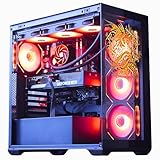


Core count guidance for streamers
| Use case | Sensible core count | Value note |
|---|---|---|
| Gaming only | 6 cores | Do not overspend on cores |
| Gaming + light streaming | 6 cores, strong single-thread | Let the GPU encode |
| Gaming + regular streaming | 8 cores | Comfortable multitasking headroom |
| Streaming + heavy editing | 8–12 cores | Only if you also render often |
The move that saves you a CPU tier
The single biggest value decision for a streaming CPU is to offload encoding to your graphics card’s hardware encoder rather than the processor. Software (CPU) encoding is what used to force streamers into expensive many-core chips, because compressing the video in real time on the processor competed with the game for resources. With the GPU handling the stream, an eight-core processor comfortably runs the game and everything around it — letting you buy a mid-range chip instead of a top-end one and put the saved $150–250 toward the GPU or RAM.
Do not forget memory
A streaming CPU is only as smooth as the memory feeding it. Pair your processor with 32GB of RAM if you stream regularly, because the game, encoder, browser and chat together can exceed 16GB and cause hitching that no CPU upgrade will fix. Fast, dual-channel memory is a cheaper and more effective streaming upgrade than a costlier processor, and it removes a stutter source that many new streamers blame on their chip.
Single-thread speed still matters
Core count gets the attention, but the responsiveness of your game often depends on single-thread performance. A CPU with strong per-core speed keeps frame rates high while the extra cores handle the stream in the background. That is why a modern mid-range chip with good single-thread performance beats an older processor with more but slower cores for this job — balance, not raw core count, is the value target.
FAQ
Do I need a high-core-count CPU to stream and game?
Usually not. An eight-core chip handles gaming plus regular streaming comfortably, especially when your graphics card does the encoding. Double-digit core counts mainly benefit heavy video editing, so paying for them just to stream is often wasted money better spent elsewhere.
Should the CPU or GPU handle stream encoding?
For value, let the GPU’s hardware encoder do it. That keeps your frame rate high and frees the CPU, which means a mid-range processor is enough. CPU encoding is the old, demanding method that pushed streamers toward expensive chips they no longer need.
Bottom line: The best value CPU for gaming and streaming is a modern six to eight core chip with strong single-thread speed, paired with 32GB of RAM and GPU-based encoding. That combination handles the game and the whole streaming stack smoothly while letting you skip the flagship processor entirely — redirecting real money toward the parts your viewers and your frame rate actually notice.


