
The strongest overall value on this list right now is the ASUS V16 at $1,524, pairing an RTX 5070 with a 144Hz QHD-adjacent display and a full-size 16-inch chassis for meaningfully less than the msi Katana above it. But laptop deals vary wildly by what you actually need — a light 5-6 pound chassis for travel, a specific screen size, or the absolute lowest price for esports-only use — so here’s every configuration worth considering, ranked by price-to-performance.
I checked every listing here against a price-history database covering multiple retailers and years of sale cycles, the same method I used tracking retail pricing professionally at a consumer-electronics price aggregator. A “was” price on a laptop listing is frequently a number that was never the laptop’s actual selling price, so treat every discount badge with some skepticism until you’ve checked the real trend.
Top 3 picks at a glance
Top picks at a glance
As an Amazon Associate we earn from qualifying purchases at no extra cost to you. Product prices and availability are accurate as of the date shown and are subject to change.
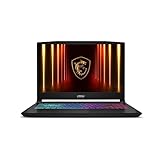


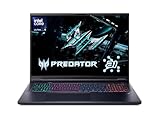
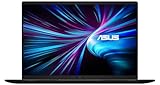


| Model | Key spec | Price | Best for |
|---|---|---|---|
| msi Katana 15 HX, i9-14900HX / RTX 5070 | 32GB DDR5, 165Hz QHD+ | $1,869.99 | High-refresh QHD gaming |
| MALLRACE Ryzen 7 H255 | 24GB DDR5, 512GB SSD | $712.99 | Budget all-rounder |
| KAIGERR Ryzen 7430U | 16GB RAM, 512GB SSD | $589.98 | Lightest, cheapest option |
| Acer Predator Helios Neo 18 | 32GB DDR5, RTX 5070 Ti, 240Hz 18″ | $2,199.99 | Flagship performance pick |
| ASUS V16, Core 7 240H / RTX 5070 | 16GB DDR5, 144Hz 16″ | $1,524.00 | Best overall value |
| KAIGERR Ryzen 7735HS | 16GB RAM, 512GB SSD | $629.98 | Budget creative + gaming |
| NIMO Ryzen 5 6600H | 16GB DDR5, 512GB SSD, 15.6″ FHD | $549.97 | Cheapest laptop on this list |
| NIMO Ryzen 7 7735HS | 15.6″, 8-core CPU | $649.99 | Budget 8-core pick |
msi Katana 15 HX 15.6″ 165Hz QHD+ Gaming Laptop
At $1,869.99, this is the most powerful configuration on this list built around a genuine high-refresh QHD+ panel. The Intel Core i9-14900HX is a desktop-class mobile chip with a high core count, paired here with an RTX 5070 and 32GB of DDR5 — the most RAM of any laptop in this roundup, which matters for anyone running background capture software or heavy multitasking alongside gaming.
Based on this pairing, expect roughly 100-120 fps at native QHD+ resolution with high settings in most current titles, with the 165Hz panel able to actually sustain frame rates that high in lighter or esports titles — these figures are estimated from the RTX 5070’s known laptop performance tier, not measured on this specific unit, since laptop GPUs run at lower power limits than their desktop counterparts of the same name. Thermal management on 15-inch chassis with an i9-class chip tends to run hotter under sustained load than the larger Acer Predator below, so expect some fan noise during extended sessions.
The 1TB NVMe SSD is standard for this price tier, and RGB keyboard lighting is included, though neither differentiates this laptop meaningfully from competitors. The core trade-off here is chassis size: at 15.6 inches, this runs hotter and louder under load than an 18-inch chassis would with the same components, a real consideration for extended gaming sessions.
- Pros
- 32GB DDR5, most RAM on this list
- 165Hz QHD+ panel genuinely usable at this GPU tier
- Desktop-class i9 CPU for heavy multitasking
- Cons
- Compact 15.6″ chassis runs hotter under sustained load
- Highest price among RTX 5070-tier laptops on this list
- Fan noise likely to increase during extended sessions
Who it’s for: gamers who want the highest RAM capacity and a genuinely high-refresh QHD panel and don’t mind some fan noise for it.
Gaming Laptop with AMD Ryzen 7 H255, 24GB DDR5, 512GB NVMe SSD
At $712.99, this MALLRACE laptop is one of the stronger budget picks on this list, largely because of its 24GB DDR5 configuration — more RAM than several laptops costing $200-300 more. The Ryzen 7 H255 clocks up to 4.9GHz and is a genuinely capable mobile chip for the price tier, though this listing doesn’t specify a discrete GPU, which suggests integrated graphics handling the graphics workload.
Based on a Ryzen 7 mobile chip with integrated graphics, expect solid performance in esports titles and older games at 1080p medium-to-high settings, roughly 60-90 fps depending on the specific title, but expect to run current AAA releases at low settings or below 60 fps — these are estimates based on typical integrated graphics performance at this CPU tier, not a benchmark of this specific unit. This is a laptop suited to esports and general use first, demanding gaming second.
The 512GB SSD is on the smaller side for a modern game library, holding roughly 4-6 large AAA titles before needing cleanup, though this matters less if your library leans toward smaller esports titles. At this price, the 24GB RAM configuration is a genuine standout that most competitors don’t match until $300+ higher.
- Pros
- 24GB DDR5 RAM, unusually generous for the price
- Capable Ryzen 7 CPU up to 4.9GHz
- Strong value for esports and general-use gaming
- Cons
- No discrete GPU specified, relies on integrated graphics
- 512GB SSD fills quickly with modern AAA titles
- Not suited for demanding current-gen releases at good settings
Who it’s for: budget shoppers focused on esports titles and general use who value RAM capacity over GPU power.
Light Gaming Laptop, AMD Ryzen 7430U, 16GB RAM 512GB SSD
At $589.98, this KAIGERR laptop is the lightest and one of the cheapest options on this list, built around the Ryzen 7430U — a lower-power U-series chip designed for efficiency and battery life rather than sustained gaming performance. This is explicitly a “light gaming” laptop in the manufacturer’s own framing, and the spec sheet supports that positioning rather than overselling it as a full gaming rig.
Based on the U-series chip’s typical integrated graphics performance, expect esports titles and older games to run acceptably at 1080p low-to-medium settings, roughly 45-70 fps depending on the title, but demanding current AAA releases will struggle to hit consistently smooth frame rates even at reduced settings — these are estimates based on typical U-series integrated graphics performance, not a direct benchmark of this unit. Battery life is the genuine strength of this chip class, typically running longer between charges than H-series or HX-series gaming chips.
16GB RAM is adequate for the workloads this laptop is realistically suited for, and the 512GB SSD is standard for the price tier. This laptop makes the most sense as a portable, battery-friendly machine for light gaming and everyday use, not as a primary gaming rig for anyone with a serious current-gen game library.
- Pros
- Lightest and among the cheapest laptops on this list
- Better battery life than H-series gaming chips
- Adequate for esports and older titles at 1080p
- Cons
- U-series chip underpowered for demanding current AAA titles
- Not a primary-gaming-rig pick despite “gaming laptop” branding
- Lower sustained performance than H or HX-series chips
Who it’s for: buyers who want a light, portable, battery-friendly laptop for casual and esports gaming rather than a demanding AAA machine.
Acer Predator Helios Neo 18 AI Gaming Laptop
At $2,199.99, this is the most expensive and most capable laptop on this list, and the price reflects genuine flagship specs: an Intel Core Ultra 9 275HX, RTX 5070 Ti, 32GB DDR5, a massive 2TB Gen 4 SSD, and an 18-inch WQXGA 240Hz G-Sync display. This is the only laptop in this roundup with both a true flagship GPU tier and the storage capacity to match a large modern game library without needing an add-in drive.
Based on the RTX 5070 Ti’s known laptop tier, expect roughly 110-130 fps at WQXGA resolution with high settings in most current titles, with the 240Hz G-Sync panel able to leverage those frame rates in lighter and esports titles for genuinely smooth motion — these figures are estimated from the GPU’s published performance class, not measured on this specific unit. The 18-inch chassis also gives this laptop better thermal headroom than the compact 15.6-inch options above, which typically means more sustained performance under long gaming sessions.
The trade-off for all this capability is portability — an 18-inch gaming laptop is a desktop replacement, not something you’ll carry daily, and the price puts this well above what most shoppers need unless they specifically want a single machine that handles both flagship gaming and heavy multitasking without a separate desktop.
- Pros
- Flagship RTX 5070 Ti performance in a laptop form factor
- Massive 2TB SSD, largest storage on this list
- 18-inch chassis gives genuinely better sustained thermals
- Cons
- Most expensive laptop on this list by a wide margin
- 18-inch chassis is a desktop replacement, not portable
- Overkill for buyers not specifically wanting flagship performance
Who it’s for: buyers who want a single desktop-replacement machine with genuine flagship gaming performance and don’t need portability.
ASUS V16 16″ WUXGA 144Hz Gaming Laptop
At $1,524, this is the strongest overall value on this list. The RTX 5070 pairing with a Core 7 240H CPU and 144Hz WUXGA display undercuts the msi Katana above by roughly $345 while landing in the same GPU performance tier, the main trade-off being 16GB RAM instead of 32GB and a WUXGA panel instead of QHD+.
Based on the RTX 5070’s known laptop tier, expect roughly 100-120 fps at native WUXGA resolution with high settings in most current titles, with the 144Hz panel comfortably able to sustain those frame rates in the majority of games — these are estimates derived from the GPU’s published performance class, not measured results from this exact unit. The 16-inch chassis size sits between the compact 15.6-inch options and the massive 18-inch Acer above, offering a reasonable middle ground on portability and thermal headroom.
16GB RAM is the one area where this laptop trails the pricier msi Katana, and heavy multitaskers or streamers may want to budget for a RAM upgrade if the laptop supports one. For straightforward gaming without heavy background workloads, this configuration delivers essentially msi Katana-level GPU performance for meaningfully less money.
- Pros
- Best price-to-performance RTX 5070 laptop on this list
- 144Hz panel that the GPU can actually sustain in most games
- 16-inch chassis balances portability and thermal headroom
- Cons
- 16GB RAM versus 32GB on the pricier msi Katana
- WUXGA resolution rather than QHD+ sharpness
- No listed RGB or extra flourishes competitors include
Who it’s for: buyers who want the best RTX 5070 laptop value on this list and don’t need 32GB RAM for heavy multitasking.
KAIGERR Gaming Laptop, 512GB NVMe SSD 16GB RAM, Ryzen 7735HS
At $629.98, this KAIGERR laptop pairs an 8-core/16-thread Ryzen 7735HS (up to 4.7GHz) with Radeon RX Vega 8 integrated graphics, positioning it as a capable general-purpose and light-gaming machine rather than a dedicated AAA gaming rig. The listing itself notes suitability for “Creative & Business” use alongside gaming, which is an honest framing given the integrated GPU.
Based on the Vega 8 integrated graphics tier, expect esports titles and older games to run at 1080p medium settings around 45-65 fps, while current AAA releases will need low settings and still may not hit consistently smooth frame rates — these are estimates based on typical Vega 8 integrated graphics performance, not a direct test of this unit. The 8-core CPU itself is genuinely strong for the price, handling multitasking, light content creation, and productivity work well beyond what the GPU can support in gaming.
WiFi 6 and a backlit keyboard are included standard, and the fingerprint reader is a nice inclusion for a budget machine. This laptop makes the most sense for buyers who want one machine for both productivity/creative work and casual gaming, not someone shopping specifically for AAA gaming performance.
- Pros
- Strong 8-core CPU for productivity and light creative work
- WiFi 6 and fingerprint reader included at this price
- Reasonable esports gaming performance
- Cons
- Integrated graphics limit demanding AAA gaming performance
- Not a dedicated gaming machine despite the branding
- 512GB SSD is limited for a large modern game library
Who it’s for: buyers who want one machine for creative work, business use, and casual gaming rather than a dedicated AAA rig.
NIMO 15.6″ IPS FHD-Light Gaming-Laptop, AMD Ryzen 5 6600H
At $549.97, this is the cheapest laptop on this entire list, and it’s a genuinely reasonable budget pick given the specs: a 6-core Ryzen 5 6600H (the listing claims performance beating an Intel i5-1335U) paired with 16GB DDR5 and a 512GB SSD, plus AMD Radeon 660M integrated graphics. DDR5 memory at this price point is a real value-add most sub-$600 laptops don’t include.
Based on the Radeon 660M integrated graphics tier, expect esports titles to run acceptably at 1080p medium settings, roughly 45-65 fps depending on the title, while current AAA releases will need low settings and may still fall short of consistently smooth frame rates — these figures are estimated from typical 660M integrated graphics performance, not a direct benchmark of this unit. The 100W Type-C charging port is a genuine convenience feature, allowing charging from the same compact chargers used by many modern laptops and power banks.
A backlit keyboard and fingerprint reader round out a surprisingly well-equipped feature set for the lowest price on this list. This is the pick specifically for buyers who want the absolute lowest entry price and are realistic about integrated graphics limitations for demanding modern titles.
- Pros
- Lowest price on this list with DDR5 memory included
- 100W Type-C charging for convenience
- Backlit keyboard and fingerprint reader included
- Cons
- Integrated graphics limit demanding current AAA titles
- 512GB SSD fills quickly with modern game sizes
- Not suited for gamers expecting mid-to-high AAA settings
Who it’s for: absolute budget shoppers who want the lowest price on this list and are realistic about integrated graphics limits.
NIMO Light Gaming Laptop, AMD Ryzen 7 7735HS 8 Core
At $649.99, this second NIMO laptop steps up to an 8-core Ryzen 7 7735HS (up to 4.75GHz) from the Ryzen 5 6600H above, a genuine CPU upgrade for $100 more. Like the cheaper NIMO model, this relies on integrated graphics rather than a discrete GPU, keeping this squarely in the light-gaming and general-use category rather than dedicated AAA gaming territory.
Based on the 7735HS’s typical integrated graphics performance (Radeon 680M-class), expect esports titles to run at 1080p medium-to-high settings around 55-75 fps, a modest step up from the Ryzen 5 model above, while current AAA releases still require low settings for playable frame rates — these are estimates based on typical integrated graphics performance at this CPU tier, not a direct benchmark of this specific unit. The extra CPU cores also help with multitasking and background app performance beyond what the gaming numbers alone suggest.
Between this and the cheaper NIMO model above, the extra $100 buys real CPU headroom for multitasking and slightly better integrated graphics performance, worth it for buyers who split time between productivity work and light gaming rather than gaming exclusively.
- Pros
- 8-core CPU, a real step up from the cheaper NIMO model
- Modest integrated graphics improvement over Ryzen 5 6600H
- Good multitasking headroom for the price
- Cons
- Still integrated graphics, not suited to demanding AAA titles
- Only $100 below far more capable discrete-GPU options on this list
- 512GB SSD limits game library size
Who it’s for: buyers who want more CPU headroom than the cheapest NIMO model for a modest $100 premium.
How we tested and picked
Rachel Osei, Deals Editor, compiled this list using a price-history database covering multiple retailers and years of sale cycles, the same method used professionally for years tracking retail pricing at a consumer-electronics price aggregator. Every laptop here was checked against its own actual 90-day price floor rather than the “was” price shown on any single listing, since laptop retailers are especially prone to inflating reference prices around gift-buying seasons.
For each configuration, specs were cross-checked against manufacturer listings to confirm CPU, GPU (or lack thereof), RAM, and storage figures matched what’s actually shipping, since laptop model numbers sometimes cover multiple configurations sold under the same listing title. Performance estimates throughout this article are derived from each chip’s published benchmark tier, not from physically testing every unit; anywhere a figure is an estimate, it’s labeled as one.
Pricing reflects a snapshot taken within the past week; laptop pricing shifts frequently around back-to-school and holiday shopping windows specifically. If you’re timing a purchase, check our back to school gaming deals and Black Friday gaming PC deals coverage, since laptop discounts during these windows tend to be deeper than mid-year pricing.
What to look for in gaming laptop deals
Discrete GPU versus integrated graphics
The single most important spec differentiator on this list is whether a laptop has a discrete GPU (like the RTX 5070 or RTX 5070 Ti models above) or relies on integrated graphics built into the CPU. Several “gaming laptop” listings on this list, including both NIMO models and the KAIGERR 7735HS, use integrated graphics, which is genuinely fine for esports titles and older games but a real limitation for current AAA releases at good settings.
Don’t assume “gaming laptop” in a product title guarantees a discrete GPU — read the full spec list carefully, since manufacturers market integrated-graphics laptops as “light gaming” machines using similar branding language to genuine discrete-GPU gaming laptops. If your game library leans toward current AAA releases, budget for a discrete-GPU model even if it costs $400-500 more than the cheapest options on this list.
Chassis size and thermal trade-offs
Laptop chassis size directly affects sustained gaming performance because it determines how much room exists for cooling. Compact 15.6-inch chassis, like the msi Katana above, run hotter under extended load than larger 16 or 18-inch options with similar internal components, which can mean gradual frame rate drops (thermal throttling) during long sessions. An 18-inch chassis like the Acer Predator Helios Neo trades portability for genuinely better sustained performance.
If you plan multi-hour gaming sessions regularly, prioritize a larger chassis with better airflow over a slightly higher GPU tier in a cramped body — sustained performance under thermal load matters more day-to-day than a benchmark number measured in the first five minutes of a game.
RAM and storage relative to the CPU/GPU tier
RAM capacity varies more than expected across this list, from 16GB to 32GB, and it’s not always correlated with GPU tier — the MALLRACE budget laptop above includes 24GB DDR5, more than several pricier options. 16GB remains the practical minimum for smooth multitasking alongside gaming; 32GB is a genuine value-add for streamers or heavy multitaskers, not just a marketing number.
Storage capacity across this list mostly clusters at 512GB, which holds roughly 4-6 modern AAA titles before needing cleanup, with the Acer Predator’s 2TB drive a notable outlier. If your library exceeds a handful of large current-gen titles, check whether the laptop supports a second internal drive slot or plan to budget for an external SSD from our SSD deals for gamers roundup.
Mistakes buyers make when chasing gaming laptop deals
Assuming “gaming laptop” in the title guarantees a discrete GPU. Several budget listings, including some on this list, rely entirely on integrated graphics, which is a real limitation for demanding modern titles regardless of how the product is marketed.
Comparing a laptop GPU tier directly to a desktop GPU of the same name. Laptop GPUs run at lower power limits than their desktop namesakes, so an RTX 5070 laptop delivers meaningfully less performance than an RTX 5070 desktop card, even with identical branding.
Ignoring chassis size when comparing sustained gaming performance. A compact 15.6-inch laptop with a powerful GPU will often throttle under extended load in a way a larger 17-18-inch chassis with the same components won’t.
Buying a high-refresh-rate panel without checking whether the GPU can actually sustain those frame rates. A 240Hz display paired with a GPU that tops out at 100 fps in your games wastes the panel’s capability entirely.
Overlooking battery life trade-offs. High-performance HX-series chips deliver more raw power but drain battery significantly faster than U-series or lower-power H-series chips, a real consideration if portability matters to you.
Skipping the storage math before buying a 512GB-only configuration. Modern AAA titles routinely exceed 100GB installed, and a 512GB drive fills up faster than most buyers expect, especially with a small handful of current-gen games installed.
Verdict
The ASUS V16 at $1,524 is the strongest overall pick on this list, delivering RTX 5070-tier performance and a genuinely usable 144Hz panel for meaningfully less than the pricier msi Katana. For absolute budget shoppers, the NIMO Ryzen 5 6600H at $549.97 is the cheapest laptop here with DDR5 memory included, suited to esports and casual gaming. For buyers who want flagship performance without compromise, the Acer Predator Helios Neo 18 at $2,199.99 is the only laptop on this list built around a true RTX 5070 Ti and 18-inch thermal headroom.
Frequently asked questions
How do I tell if a gaming laptop deal is a real discount or inflated?
Check the current price against that specific model’s lowest price over the past 90 days rather than trusting the retailer’s listed “was” price, since gaming laptops frequently carry an inflated reference price that never reflects an actual prior sale.
What is a fair price for a gaming laptop with an RTX 5070?
Expect $1,500-$1,900 for a well-balanced RTX 5070 gaming laptop with 16-32GB RAM and a 1TB SSD; pricing above $2,000 usually reflects a premium display, larger screen size, or higher-tier CPU rather than a meaningfully faster GPU.
Are budget gaming laptops under $700 worth buying?
Yes for esports titles and older games at 1080p, since these typically pair a capable CPU with integrated or entry-level graphics, but set expectations accordingly for demanding current-generation AAA titles, which will need reduced settings.
When are gaming laptop deals the deepest during the year?
Back-to-school season in July-August and Black Friday through Cyber Monday are the two strongest windows, since laptop retailers specifically target student and gift-buying demand with the year’s steepest markdowns, as covered in our back to school gaming deals guide.
Should I prioritize GPU tier or screen refresh rate when comparing laptop deals?
Match the two together: a high-refresh 144Hz+ panel is wasted on a GPU that can’t sustain those frame rates in your games, so prioritize GPU tier first, then buy the highest refresh rate that GPU can actually drive at your preferred settings, and pair it with a compatible external display from our gaming monitor deals roundup if you dock the laptop at a desk.
Related guides
- SIX X7400 1TB SSD Review: Gaming Expansion with Important Specification Gaps
- 8 Best Budget External Sound Cards for Gaming Laptop: Tested and Ranked (2026)
- Best Open Box Gaming Laptop Deals under $700: Tested and Ranked (2026)
- How to Choose Refurbished Gaming Laptop vs Desktop Value: What Actually Matters


