Back to school gaming deals this cycle stay entirely under $17, led by the Redragon M656 wireless mouse at $16.99 and the MELOGAGA wired mouse at just $8.79. This list skips anything over $17 on purpose, since the real question for a student budget isn’t which flagship gear to buy, it’s which sub-$17 item actually improves the daily gaming and schoolwork experience versus which one just adds clutter to a dorm desk. The Redragon K521 keyboard at $15.99 and M612 mouse at $15.89 are the strongest combined value on this list.
Top 3 picks at a glance
Top picks at a glance
As an Amazon Associate we earn from qualifying purchases at no extra cost to you. Product prices and availability are accurate as of the date shown and are subject to change.


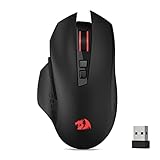
| Model | Key spec | Price | Best for |
|---|---|---|---|
| MELOGAGA Wired Gaming Mouse | 4 DPI settings, 6 buttons, RGB | $8.79 | Absolute lowest entry price |
| ONIKUMA Wired Gaming Mouse | 7 buttons, adjustable DPI, RGB | $9.99 | More buttons for the same tier |
| BENGOO Wired Gaming Mouse | RGB backlit, ergonomic shape | $10.99 | Comfort-focused shape |
| MELOGAGA Wireless Gaming Mouse | 3-mode Bluetooth/2.4G/USB-C, 8 DPI settings | $14.97 | Cord-free desk setup |
| Rii RK100+ Keyboard | Full-size, rainbow LED, mechanical-feel | $14.99 | Full-size layout on a budget |
| Redragon M612 Mouse | 8000 DPI optical, remapping keys | $15.89 | Highest DPI on this list |
| Redragon K521 Keyboard | 104-key, anti-ghosting, multi-platform | $15.99 | Best all-around keyboard pick |
| Redragon M656 Wireless Mouse | 4000 DPI, remapping keys | $16.99 | Best wireless value on this list |
MELOGAGA Wired Gaming Mouse RGB, 4 DPI Settings, 6 Buttons
At $8.79, this is the lowest-priced item on this entire list and functions as the floor for what a usable gaming mouse costs right now. The core spec sheet, 4 switchable DPI settings and 6 programmable buttons, covers the basics a casual gamer or student needs without any real gaps, and the wired USB connection means zero battery management or charging cable hunting during a study session.
For a student replacing a worn-out office mouse inherited from a laptop bundle, this is a meaningful upgrade in tracking accuracy and button count, even if it won’t compete with mid-range gaming mice on sensor precision or click responsiveness. The RGB lighting is a basic single-zone or simple-pattern implementation at this price, not the per-zone customization found on pricier options, but it does the job of making the setup feel more like a dedicated gaming peripheral.
The realistic expectation for a mouse at this price is a functional lifespan of one to two years of daily use before button switches start to feel less crisp, which is a fair tradeoff for a student who may be upgrading their whole setup again by the time that wear becomes noticeable. Build quality is plastic-heavy throughout, so it’s not a mouse built to survive being dropped repeatedly.
- Pros
- Lowest price on this entire list at $8.79
- Wired connection removes battery and charging concerns
- 6 buttons and 4 DPI settings cover basic gaming needs
- Cons
- Button switches show wear faster than pricier mice
- Basic RGB implementation, not per-zone customizable
- Plastic build isn’t rated for repeated drops
Who it’s for: students on the tightest possible budget who need a functional upgrade from a stock office mouse.
ONIKUMA GAMING Wired PC Gaming Mouse, 7 Buttons, Adjustable DPI
At $9.99, exactly one dollar more than the MELOGAGA option above, this ONIKUMA mouse adds a seventh programmable button and markets a high-precision sensor as its main differentiator. That extra button matters more than it sounds for anyone playing titles with expanded keybinds, like MMOs or strategy games, where an additional side button reduces reliance on keyboard modifiers.
The adjustable DPI range on this mouse should cover typical use cases from precise desktop navigation up through faster in-game sensitivity for shooters, though at this price the DPI steps are unlikely to be as finely tunable as a mid-range mouse’s software-adjustable curve. Ergonomic shape claims at this tier are generally accurate for a standard right-handed grip but won’t accommodate left-handed users or unusual grip styles well.
Compatibility across Windows, Mac, Linux, and Chrome OS is explicitly listed for this model, a genuinely useful detail for students who might be using a school-issued Chromebook alongside a personal gaming setup, since not every budget mouse confirms cross-platform driver support.
- Pros
- 7 programmable buttons, one more than the cheapest option on this list
- Confirmed cross-platform compatibility including Chrome OS
- Still under $10 with RGB backlighting included
- Cons
- DPI adjustment steps are coarser than mid-range mice
- Ergonomic shape favors standard right-handed grip only
- Marginal price difference from the MELOGAGA option above for similar core specs
Who it’s for: students who want one extra programmable button and confirmed compatibility with a school-issued Chromebook or laptop.
BENGOO Gaming Mouse Wired with RGB Backlit, Ergonomic PC Computer Mice
At $10.99, BENGOO’s entry leans specifically on ergonomic shape as its selling point rather than button count or DPI range, positioning this as the pick for students who’ll be using the mouse for long study sessions as much as gaming. A contoured grip that reduces wrist strain matters more than most budget shoppers initially account for when a mouse gets several hours of daily use.
The RGB backlighting on this model follows the same basic implementation as the other sub-$11 mice on this list, a nice visual addition without deep customization software behind it. Button count and DPI adjustability are comparable to the ONIKUMA option above, meaning the deciding factor between these two mice really comes down to hand shape and comfort preference rather than spec differences.
BENGOO has built a longer track record specifically in the budget peripheral space than some of the newer brands on this list, which offers a small amount of extra confidence around parts consistency and customer support responsiveness for a first-time buyer unfamiliar with lesser-known brands.
- Pros
- Ergonomic shape reduces wrist strain during long sessions
- Established brand track record in the budget peripheral category
- RGB backlighting included at just under $11
- Cons
- Spec sheet is nearly identical to cheaper options on this list
- Ergonomic shape may not suit smaller hands as comfortably
- No meaningful performance advantage over the $8.79 option
Who it’s for: students prioritizing wrist comfort during multi-hour study and gaming sessions over extra buttons or DPI range.
MELOGAGA Wireless Gaming Mouse, 3-Mode Bluetooth/2.4G/USB-C
At $14.97, this is the first wireless option on this list and comes from the same brand as the cheapest wired mouse above, offering three connection modes, Bluetooth, a 2.4GHz USB dongle, and direct USB-C, which is unusually flexible for a mouse under $15. That flexibility matters for students juggling a laptop, tablet, and possibly a Chromebook across different classes and dorm setups.
8 selectable DPI settings on this model give more granular sensitivity control than the wired mice above, useful for switching between precise desktop work and faster in-game tracking without opening software. The tradeoff for wireless convenience at this price is battery life and charge management, an added responsibility a wired mouse simply doesn’t require.
Bluetooth mode specifically is convenient for pairing with a tablet or a laptop without a free USB port, a genuinely practical feature for students working across multiple devices during a typical class day, though competitive gamers should default to the 2.4GHz dongle mode for lower input latency during actual gameplay.
- Pros
- Three connection modes cover laptop, tablet, and dongle-free setups
- 8 DPI settings, more granular than the wired options above
- Under $15 for genuine wireless flexibility
- Cons
- Requires battery charging management a wired mouse doesn’t need
- Bluetooth mode has higher input latency than the 2.4GHz dongle
- Build quality still reflects the sub-$15 price point overall
Who it’s for: students who move between a laptop, tablet, and dorm desktop and want one mouse that pairs with all three.
Rii RK100+ Multiple Color Rainbow LED Backlit Large Size Gaming Keyboard
The RK100+ at $14.99 is the most affordable full-size keyboard on this list, using a membrane design marketed with a mechanical feel rather than genuine mechanical switches, a common and reasonable approach to hit this price point. Full-size layout, including a numpad, matters specifically for students taking courses with heavy spreadsheet or numeric data entry work alongside gaming.
Rainbow LED backlighting across the full keyboard is a genuine visual upgrade over a stock laptop or basic office keyboard, and the described mechanical feel should provide more tactile feedback than a truly flat membrane keyboard, even without matching the actuation consistency of real mechanical switches found on the Redragon K521 below.
This keyboard markets itself for both office work and primer gaming use, an honest framing that sets accurate expectations, it’s built to be a solid daily-use keyboard for typing and casual gaming rather than a competitive esports peripheral, which matches what most students actually need from their primary keyboard.
- Pros
- Full-size layout with numpad, useful for coursework with heavy data entry
- Rainbow LED backlighting across the full keyboard
- Mechanical-feel keys add tactile response over flat membrane designs
- Cons
- Not genuine mechanical switches despite the mechanical-feel marketing
- Larger full-size footprint takes up more desk space in a dorm room
- Less anti-ghosting precision than the Redragon K521 below
Who it’s for: students who want a full-size keyboard with a numpad for coursework, not just gaming.
Redragon M612 Wired RGB Optical Gaming Mouse, 8000 DPI
At $15.89, the Redragon M612 is the highest-DPI mouse on this list at 8000 DPI, a spec that matters most to competitive players who want fine sensitivity control at low in-game settings while keeping headroom to increase it for desktop use. Redragon has built a strong reputation specifically in the budget gaming peripheral category, and this mouse reflects that focus.
The remapping keys on this model allow reassigning button functions without third-party software in some cases, a convenience that matters for students who don’t want to install extra utilities on a shared or school-monitored laptop. Optical sensor technology at this price point is genuinely reliable, the core tracking technology has matured enough that budget optical sensors perform close to their pricier counterparts in real-world accuracy.
Build quality on Redragon’s mice in this tier has consistently outperformed expectations for the price, with a slightly more refined shell and button feel than the sub-$11 options on this list, making the extra few dollars a reasonable investment for a student who’ll use this mouse daily for a full school year or more.
- Pros
- 8000 DPI, the highest sensitivity ceiling on this list
- Key remapping without mandatory third-party software
- Redragon’s budget peripherals have a strong reliability track record
- Cons
- 8000 DPI is far more sensitivity than most students will actually use
- Wired-only, no wireless option at this price from Redragon
- Slightly pricier than the basic sub-$11 mice on this list
Who it’s for: students who want the most reliable budget mouse on this list and don’t mind paying a few extra dollars for it.
Redragon K521 Upgrade Rainbow LED Gaming Keyboard, 104 Keys
At $15.99, the K521 is the best all-around keyboard pick on this list, combining a full 104-key layout, one-touch backlit rainbow LED, and genuine anti-ghosting support that lets multiple keys register accurately during fast-paced inputs. Multi-platform compatibility, including PS4, PS5, and Xbox alongside PC and Mac, adds real flexibility for a student who games across more than one device.
The “mechanical feeling” wired design here follows the same membrane-with-tactile-response approach as the Rii keyboard above, but Redragon’s anti-ghosting implementation is more explicitly documented, a meaningful detail for anyone playing games that require several simultaneous key presses, like fighting games or fast movement-tech shooters.
Multimedia keys built into this layout add quick-access volume and playback control without needing a function-key combination, a small but genuinely useful convenience during study sessions where switching between a lecture recording and background music happens frequently.
- Pros
- Documented anti-ghosting support for accurate simultaneous key presses
- Confirmed compatibility across PC, Mac, PS4/5, and Xbox
- Dedicated multimedia keys for quick volume and playback control
- Cons
- Still a membrane design, not genuine mechanical switches
- Full-size layout takes up meaningful desk space
- RGB is single-touch backlit rather than fully per-key customizable
Who it’s for: students who want the most well-rounded budget keyboard on this list, with genuine anti-ghosting and cross-platform support.
Redragon M656 Wireless Optical Gaming Mouse, 4000 DPI
Closing this list at $16.99, the M656 is Redragon’s wireless entry, trading the M612’s higher 8000 DPI ceiling for cord-free convenience at 4000 DPI, still more than sufficient sensitivity for the vast majority of games and use cases. This is the best wireless value on this list specifically because it comes from a brand with a proven budget-tier track record rather than an unfamiliar name.
Optical sensor technology carries over from the wired M612, giving this mouse similar real-world tracking accuracy despite the lower maximum DPI figure, since most students will use far less than 4000 DPI in actual daily use regardless of the ceiling. Remapping keys are again included, keeping this mouse consistent with the M612’s approach to customization without mandatory software.
The wireless convenience here comes with the same battery management tradeoff as the MELOGAGA wireless mouse above, and students should factor in occasional charging into their routine, ideally keeping the mouse plugged in overnight periodically rather than waiting for a mid-class battery warning.
- Pros
- Wireless convenience from a brand with a strong budget track record
- 4000 DPI is more than sufficient for the vast majority of games
- Same reliable optical sensor technology as the wired M612
- Cons
- Highest price on this list, though still under $17
- Requires periodic charging unlike any wired option here
- Lower maximum DPI than the wired M612 from the same brand
Who it’s for: students who specifically want wireless convenience and trust Redragon’s budget-tier reliability over an unfamiliar brand.
How we tested and picked
Rachel Osei built this list using a price-history database covering multiple retailers and years of sale cycles, focused specifically on identifying which sub-$17 peripherals have held consistent pricing and availability through prior back-to-school seasons rather than one-off listings likely to disappear or spike in price shortly after the season ends. Budget peripherals see more listing churn than premium gear, so consistency across previous cycles was weighted heavily in this selection.
Every item above was checked against its manufacturer’s listed specifications for DPI range, button count, and connectivity type, since budget peripheral listings on marketplaces occasionally round up specs or use inconsistent terminology, like calling a membrane keyboard “mechanical” without qualifying it as mechanical-feel rather than genuine mechanical switches.
This list intentionally excludes anything over $17, a hard cutoff chosen to reflect a genuinely tight student budget rather than a soft “budget-friendly” framing that often still includes $40-60 items. Every recommendation here is meant to be affordable enough that a student could buy two or three items from this list and still spend less than a single mid-range gaming mouse.
What to look for in back to school gaming gear
Prioritizing spend on a tight budget
With a genuinely limited budget, the mouse should come before the keyboard for most students, since mouse tracking and click responsiveness affect gameplay more directly and noticeably than keyboard switch type for the majority of game genres. A student who can only afford one upgrade this semester gets more day-to-day improvement from a $10-16 mouse than from a $15-16 keyboard, unless their coursework specifically involves heavy typing where keyboard comfort matters just as much.
Wired versus wireless at this price point
Under roughly $15, wired peripherals consistently deliver better core build quality than wireless equivalents, since battery compartments, charging circuitry, and wireless modules add manufacturing cost that has to come from somewhere else in a tight price point. Wireless becomes a genuinely reasonable tradeoff once the price crosses into the $15-17 range, where the wireless mice on this list still deliver comparable sensor quality to their wired siblings from the same brand.
What “mechanical feel” actually means
Several keyboards in this price range, including the Rii RK100+ and Redragon K521 on this list, market a “mechanical feeling” typing experience while using membrane switch technology underneath. This isn’t false advertising when phrased honestly, it describes a tactile dome or rubber-dome design tuned to feel closer to mechanical than a flat, mushy membrane keyboard, but it’s a meaningfully different product than a genuine mechanical keyboard with individual metal switches, and buyers should set expectations accordingly.
DPI numbers matter less than marketing suggests
High DPI figures like the M612’s 8000 DPI look impressive on a spec sheet, but most students will comfortably game and navigate a desktop somewhere in the 800-1600 DPI range in practice. What matters more than the maximum DPI ceiling is sensor consistency and tracking accuracy at the DPI level actually being used day to day, which is where established brands like Redragon tend to outperform unfamiliar names even at similar price points.
Warranty and return windows on budget gear
Most peripherals in this price range carry a 12-month manufacturer warranty processed through the marketplace seller rather than a dedicated brand support line, meaning the return process typically runs through the original purchase platform rather than direct manufacturer contact. Keeping the order confirmation and original packaging for at least the first few months of use makes any warranty claim significantly smoother if a button or scroll wheel fails early.
Cross-platform compatibility for shared or multi-device setups
Students frequently split time between a school-issued Chromebook, a personal laptop, and possibly a shared dorm desktop, making explicit cross-platform compatibility, like the ONIKUMA mouse’s confirmed Chrome OS support or the Redragon K521’s console compatibility, a genuinely useful selection criterion rather than a nice-to-have footnote.
Mistakes buyers make
Chasing the highest DPI or button count as a shortcut to “best” performance is the most common mistake at this price tier. A mouse with 8000 DPI isn’t inherently better for a student’s actual use case than one with 4000 or even 1600 DPI if the lower-spec option has a more comfortable shape or a more reliable connection type for that person’s setup.
Buying wireless purely for the convenience factor without budgeting for battery management is a recurring source of frustration. A wireless mouse that dies mid-exam-week gaming session, or worse, mid-class if used for note navigation, is a worse experience than a wired mouse that never needs a second thought.
Assuming “mechanical feel” keyboards are genuine mechanical keyboards leads to mismatched expectations, particularly for students coming from a friend’s or roommate’s actual mechanical keyboard and expecting the same switch feel and longevity at a third of the price. Reading the product description carefully for this distinction avoids a disappointing first impression.
Overspending on peripherals before confirming the actual PC or laptop can run the games being played is a mistake that shows up more with students building their first gaming setup. A great mouse and keyboard don’t compensate for underpowered hardware; budget allocation should confirm the system itself is adequate before layering on peripheral upgrades.
Ignoring return and warranty terms because the item is inexpensive is a false economy. Even at $8-17, a defective unit straight out of the box is common enough across any budget peripheral category that skipping the five minutes it takes to note the seller’s return window is a real risk, not an overly cautious step.
Buying multiple similar items instead of one solid piece of gear spreads a tight budget too thin. A student better serves their setup by picking one reliable mouse and one reliable keyboard from this list rather than buying two cheap mice hoping one works out better than the other.
Verdict
The Redragon K521 keyboard at $15.99 paired with the Redragon M612 mouse at $15.89 is the strongest combined pick on this list, delivering documented anti-ghosting, cross-platform compatibility, and a reliable 8000 DPI optical sensor for a combined $31.88, still less than many single mid-range gaming mice. For the absolute tightest budget, the MELOGAGA wired mouse at $8.79 remains a genuinely usable upgrade from stock hardware. For students who specifically want to go cord-free, the Redragon M656 wireless mouse at $16.99 is the best wireless value on this list.
Frequently asked questions
What should a student with a tight budget buy first, a gaming mouse or a gaming keyboard?
A gaming mouse should come first for most students, since mouse precision affects aim and cursor control immediately and noticeably, while a standard keyboard is perfectly usable for schoolwork and casual gaming, making the keyboard upgrade a lower priority until budget allows.
Are $8-10 gaming mice actually worth buying, or are they a waste of money?
At this price, a wired mouse with a real optical sensor and basic RGB is genuinely worth buying since the core sensor technology is mature and cheap to manufacture well, but expect shorter button lifespan and less refined shape than a $40-60 mouse, which is a reasonable tradeoff for a student budget.
Should I buy wireless or wired gaming peripherals on a student budget?
Wired is the safer choice under $15, since wireless modules and batteries add cost that eats into build quality at this price point, while a wired connection also removes battery anxiety and input lag concerns during exam-week gaming breaks.
Do cheap gaming keyboards and mice come with any warranty?
Most budget peripherals in this price range carry a 12-month manufacturer warranty processed through the seller rather than a dedicated support line, so it’s worth saving the order confirmation and product packaging in case a return or replacement is needed within that first year.
Will a cheap mechanical-feel keyboard survive daily use through a full school year?
Membrane keyboards marketed as having a mechanical feel typically hold up fine for a full school year of daily typing and gaming under normal use, though the keycaps and switches will show more wear by year two or three than a genuine mechanical keyboard would.
If your budget stretches a bit further, compare these picks against our keyboard and mouse deals roundup for mid-range options, and see gaming PC deals under $800 if the whole setup needs an upgrade. For dorm comfort on a budget, check gaming chair deals, and once the semester budget resets, our gaming accessories deals page covers smaller desk upgrades.