
Not every meaningful upgrade requires a big graphics card and a bigger bill. Some of the best value improvements in PC gaming cost under $100 and transform how a machine performs or feels. If your budget is tight or you just want the most impact per dollar, these are the cheap upgrades that punch far above their price.
Top 3 picks at a glance
Cheap upgrades that actually matter
Under $100, the goal is to fix bottlenecks and pain points rather than chase raw power. A stick of RAM, a fast SSD, better cooling, or a fresh set of fans can each solve a real problem, sometimes delivering a bigger felt improvement than a component costing three times as much. The key is knowing which cheap fix targets your specific weak spot.
As an Amazon Associate we earn from qualifying purchases at no extra cost to you. Product prices and availability are accurate as of the date shown and are subject to change.


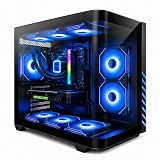


| Upgrade | Cost | Impact |
|---|---|---|
| Second RAM stick (to 16GB dual channel) | $40-60 | +10-25% FPS if you were RAM-limited |
| 1TB NVMe SSD | $55-80 | Faster loads, snappier feel |
| Better CPU air cooler | $30-60 | Higher sustained clocks, less noise |
| Case fans (2-3) | $20-45 | Lower temps, quieter operation |
| Fresh thermal paste | $8-15 | Several degrees cooler on old builds |
RAM is the king of cheap upgrades
If you are still running 8GB or a single stick, spending $40 to $60 to reach 16GB in dual channel is the best sub-$100 upgrade in gaming. Dual-channel bandwidth alone can add 10 to 25 percent in many titles, and 16GB removes the stutter that comes from games spilling past your memory limit. Nothing else this cheap moves the needle as much.
Storage and cooling: the feel upgrades
A 1TB NVMe SSD will not raise your frame rate, but it slashes load times and makes the whole system feel faster, often the most satisfying $60 you can spend. On the cooling side, a better air cooler, a couple of case fans, or even fresh thermal paste on an older build can lower temperatures, letting components hold higher clocks and run quieter. These are small costs with outsized quality-of-life returns.
Match the fix to the symptom
Spend where your specific pain is: stutter and low RAM point to a memory upgrade, slow loading and a mechanical drive point to an SSD, thermal throttling and fan noise point to cooling. Diagnose first with a monitoring overlay, then buy the one cheap upgrade that targets your actual bottleneck rather than spreading money thin.
Stack cheap upgrades for compounding gains
Individually, sub-$100 upgrades fix specific pain points, but combined they can transform an aging machine for a fraction of a major overhaul. A second RAM stick to reach dual-channel 16GB, a 1TB NVMe drive, and a couple of case fans might total under $150 together, yet address memory bottlenecks, slow loading, and thermal throttling all at once. The result often feels like a far more expensive upgrade, because you have removed several drags on the system rather than just one.
The key is to prioritize by symptom and stop before you overspend. Diagnose with a monitoring overlay to see whether RAM, storage, or heat is holding you back, then buy the cheap fix that targets the biggest offender first. Re-check, and only add the next upgrade if a real bottleneck remains. This staged, cheap-first approach avoids the mistake of pouring money into a flashy part while a $50 weak link quietly caps performance. For anyone on a tight budget or trying to stretch an older build another year or two, stacking well-chosen sub-$100 upgrades is one of the highest-value strategies in PC gaming.
FAQ
Is a $100 upgrade ever better than saving for a GPU?
Yes, when the cheap part fixes a real bottleneck. If you are RAM-starved or on a mechanical drive, a $60 fix delivers more felt improvement now than waiting months for a GPU. If you are already balanced, save for the GPU.
Will new case fans really lower my temperatures?
They can, especially in a poorly ventilated case. Adding intake and exhaust fans improves airflow, dropping component temperatures a few degrees and reducing noise, which helps sustained performance in long sessions.
Bottom line: The best sub-$100 upgrades fix bottlenecks, not egos. Dual-channel 16GB RAM is the top pick, an NVMe SSD transforms feel, and cheap cooling improvements quiet things down and hold clocks. Diagnose your weak spot first, then spend the $100 exactly where it hurts.


