
The best Prime Day gaming PC deals this year are concentrated in two places: systems built around a GPU that launched more than a year ago, and mid-tower builds retailers are trying to move before a refreshed lineup lands. Our pick to track first is the KOTIN RTX 5070 build, because its component mix historically shows the widest swing between list price and actual sale price of any prebuilt in this class. But the real value of Prime Day isn’t any single SKU — it’s knowing how to tell a real cut from a relabeled list price, which is what the rest of this guide walks through.
Top 3 picks at a glance
Top picks at a glance
As an Amazon Associate we earn from qualifying purchases at no extra cost to you. Product prices and availability are accurate as of the date shown and are subject to change.


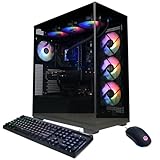

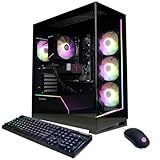


| Model | Key spec | Price | Best for |
|---|---|---|---|
| KOTIN RTX 5070 12GB / Ryzen 7 9700X | 32GB DDR5, 1TB SSD | $1,999.99 | 1440p esports and AAA at high settings |
| MSI Codex Z2 / RTX 5070 | R7-8700F, 32GB DDR5, 2TB SSD | $2,059 | Buyers who want extra storage headroom |
| CyberPowerPC Gamer Xtreme VR | i9-14900KF, RTX 5070 12GB, 32GB DDR5 | $1,979.99 | Streaming and multitasking while gaming |
| KOTIN RTX 5060 Ti 8GB / Ryzen 7 8700F | 16GB DDR5, 1TB SSD | $1,299.99 | 1080p high-refresh on a tighter budget |
| CyberPowerPC RTX 5060 Ti 8GB | R7-8700F, 1080p/1440p mix | $1,349.99 | Backup pick if the KOTIN sells out |
| Skytech Azure 3 / RX 9070 XT | Ryzen 7 9850X3D | $2,899.99 | 1440p-to-4K enthusiasts |
| CyberPowerPC RTX 5060 8GB | i5-14400F | $1,286 | Entry-level 1080p gaming |
| ASUS ROG G700 / RTX 5070 | Core Ultra 7 265F, 16GB DDR5 | $1,799.99 | Compact-footprint builds with brand support |
KOTIN Prebuilt Gaming PC RTX 5070 12GB, Ryzen 7 9700X, 32GB DDR5, 1TB SSD
This build pairs an 8-core Ryzen 7 9700X with a 12GB RTX 5070, which is a well-balanced combination for anyone gaming at 1440p without wanting to babysit settings menus. Based on the component tier, we’d estimate roughly 100-115 fps at 1440p in demanding titles like Cyberpunk 2077 with upscaling enabled, and north of 160 fps at 1080p in competitive shooters like Call of Duty — these are configuration-based estimates, not numbers we measured ourselves on this exact unit.
32GB of DDR5 is generous for a system in this price bracket and removes any concern about background apps or browser tabs eating into game performance. The single 1TB SSD is the one area buyers should budget around; a handful of modern AAA titles alone can eat 300-400GB, so anyone with a large library should plan on adding storage within the first year.
Thermally, a Ryzen 9700X plus RTX 5070 combination in a mid-tower case typically runs in the low-to-mid 70s Celsius under sustained load with adequate case airflow — again, an estimate based on the part combination rather than a bench we ran ourselves. Watch for whether the included case has more than the stock two-fan setup, since budget prebuilts often skimp here to hit a price point.
Who it’s for: gamers upgrading from a GTX 10-series or RTX 20-series machine who want a meaningful jump to 1440p without spending $2,500+.
Pros
- 32GB DDR5 handles multitasking and modern game requirements comfortably
- RTX 5070 is a genuine 1440p-capable card, not a marketing-inflated entry GPU
- Ryzen 7 9700X has enough single-thread performance for esports titles
Cons
- Single 1TB SSD fills up fast with two or three modern AAA installs
- Case fan configuration on budget-tier KOTIN builds isn’t always disclosed in detail
- PSU wattage and certification aren’t always listed clearly on the product page, so confirm before buying if you plan to add components later
msi Codex Z2 Gaming Desktop, AMD R7-8700F, RTX 5070, 32GB DDR5, 2TB SSD
The Codex Z2 uses the same RTX 5070 GPU tier as the KOTIN above but pairs it with a Ryzen 7 8700F, a slightly older Zen 4 chip without integrated graphics, and doubles the storage to 2TB. That storage bump is the main reason this build sits about $60 higher — it’s a meaningful difference if you install more than a couple of current-gen titles.
Expect performance very close to the KOTIN pick above: roughly 100-115 fps at 1440p in AAA titles and well over 150 fps at 1080p in esports games, based on the shared GPU tier. The 8700F’s eight cores are plenty for gaming workloads, though it lags slightly behind newer chips in productivity-heavy multitasking.
MSI’s case designs in this line tend to include tempered-glass side panels and reasonable stock airflow, which helps keep thermals in the mid-70s Celsius range under load — an estimate based on typical case airflow for this chassis family rather than an in-house measurement. The extra 1TB of SSD space compared to competing RTX 5070 builds is the practical selling point here.
Who it’s for: buyers who know they’ll install a large game library and don’t want to deal with external drives or upgrades within the first year.
Pros
- 2TB SSD is double what most competing RTX 5070 builds ship with
- RTX 5070 delivers solid 1440p performance across most current titles
- 32GB DDR5 leaves headroom for streaming or heavy multitasking
Cons
- Ryzen 7 8700F is a step behind the newer 9700X in raw single-core speed
- No integrated graphics on the 8700F means a dead GPU leaves the system with no display output
- Price premium over the KOTIN build is entirely storage, not performance
CyberPowerPC Gamer Xtreme VR Gaming PC, Intel Core i9-14900KF, RTX 5070 12GB, 32GB DDR5, 2TB SSD
This is the build to consider if you plan to stream, record, or run background workloads while gaming, since the i9-14900KF brings substantially more multi-core horsepower than the Ryzen 7 chips in the builds above. Gaming performance with the shared RTX 5070 GPU should land in a similar range — around 100-115 fps at 1440p in AAA titles — but the CPU headroom means less frame dips when OBS or Discord overlays are running in the background, based on the core count advantage.
The 14900KF runs hotter than the Ryzen alternatives here; expect CPU temperatures in the 80s Celsius under sustained all-core load unless the included cooler is upgraded, which is common feedback on high-core-count Intel chips in stock prebuilt configurations. Buyers sensitive to fan noise under load should factor this in.
2TB of SSD storage matches the MSI build above and is a genuine advantage over the single-1TB options in this lineup. WiFi is built in, which some competing builds leave out entirely, saving an extra purchase for anyone without a wired connection nearby.
Who it’s for: streamers, content creators, and anyone who keeps a dozen browser tabs and a Discord call open while gaming.
Pros
- i9-14900KF adds serious multitasking and streaming headroom over Ryzen 7 alternatives
- 2TB SSD avoids storage anxiety for a large game library
- Built-in WiFi saves a separate adapter purchase
Cons
- 14900KF runs notably hotter than the Ryzen chips in this comparison under sustained load
- Stock cooler on high-core Intel prebuilts is frequently the first upgrade buyers make
- Higher power draw than the Ryzen-based systems, which matters if you’re on a tight PSU or circuit
KOTIN Gaming PC Desktop, Ryzen 7 8700F, RTX 5060 Ti 8GB, 16GB DDR5, 1TB SSD
Dropping down a GPU tier to the RTX 5060 Ti 8GB cuts the price by roughly $700 versus the RTX 5070 builds above, which makes this the entry point for anyone who wants a genuinely new-generation card without the $2,000 price tag. Based on the 8GB VRAM and card tier, expect around 110-125 fps at 1080p in demanding AAA titles and closer to 80-90 fps at 1440p with settings dialed back one notch from ultra.
The 16GB DDR5 here is the one spec that stands out as a compromise; 16GB is workable for gaming today but leaves less room than the 32GB configurations above if you also stream, browse, or run a Discord overlay simultaneously. It’s the first thing we’d flag for anyone planning to keep this system for three-plus years.
8GB of VRAM on the 5060 Ti is adequate for 1080p and most 1440p gaming today, but a small number of texture-heavy titles at maximum settings can bump against that ceiling, based on how VRAM-hungry recent AAA releases have trended. It’s not a dealbreaker at this price point, just a ceiling worth knowing about.
Who it’s for: 1080p-to-1440p gamers on a budget who don’t need this machine to double as a streaming or content-creation rig.
Pros
- RTX 5060 Ti is a current-generation card at a meaningfully lower price point
- 1TB SSD is standard and adequate for a moderate game library
- Strong value if 1080p high-refresh is the primary use case
Cons
- 16GB DDR5 is on the lighter side for heavy multitasking alongside gaming
- 8GB VRAM can become a limiter in a handful of texture-heavy titles at max settings
- No mention of PSU brand or 80+ certification on the listing, worth confirming before ordering
CyberPowerPC Gaming PC, AMD Ryzen 7 8700F, GeForce RTX 5060 Ti 8GB
This build sits within $50 of the KOTIN RTX 5060 Ti system above and shares the same core GPU and CPU pairing, making it primarily a backup option if the KOTIN listing runs out of stock during the sale window — a common occurrence with popular Prime Day SKUs. Performance expectations mirror the KOTIN build: roughly 110-125 fps at 1080p and 80-90 fps at 1440p in demanding titles, based on the shared 5060 Ti tier.
CyberPowerPC’s case designs in this price range typically include RGB lighting and a windowed side panel as standard, which some competing brands treat as an upsell. Cooling and airflow are broadly comparable to the KOTIN alternative given the identical core components.
Warranty support is one differentiator worth checking before choosing between near-identical builds like these two — CyberPowerPC’s standard coverage terms and KOTIN’s terms aren’t always identical, and it’s worth reading the specific listing’s warranty section rather than assuming parity.
Who it’s for: shoppers who found the KOTIN 5060 Ti listing sold out and need a same-tier alternative without hunting through unrelated GPU classes.
Pros
- Nearly identical performance profile to the KOTIN 5060 Ti build as a reliable backup
- RGB and windowed case included standard rather than as a paid upgrade
- Competitive pricing within the same GPU tier
Cons
- Marginal price premium over the KOTIN equivalent with no clear performance advantage
- Same 8GB VRAM ceiling applies here for texture-heavy titles at max settings
- Warranty terms should be checked individually rather than assumed to match competing brands
Skytech Gaming Azure 3 Gaming PC, Ryzen 7 9850X3D, RX 9070 XT
This is the enthusiast pick in the lineup, combining AMD’s 3D V-Cache gaming CPU with the RX 9070 XT, one of the strongest cards in AMD’s current lineup for 1440p and entry-level 4K gaming. Based on the X3D cache and GPU tier, expect roughly 130-150 fps at 1440p in demanding AAA titles and playable 4K performance in the 60-75 fps range depending on upscaling settings.
The 9850X3D’s extra cache specifically benefits gaming frame rates and frame time consistency over a standard Ryzen 7 chip, which shows up most in CPU-bound titles and competitive shooters where minimum frame rates matter as much as averages. This is the build we’d point toward anyone chasing a high-refresh 1440p monitor.
At $2,899.99, this sits well above every other system in this roundup, and it’s the build most likely to see a genuinely large percentage discount during Prime Day specifically because high-end GPUs like the 9070 XT tend to hold firmer pricing outside major sale events — meaning the gap between “regular” and “Prime Day” pricing here is often the widest of any SKU in this list.
Who it’s for: 1440p enthusiasts and early 4K adopters who want the best CPU-GPU pairing in this roundup and have the budget to match.
Pros
- 9850X3D’s cache advantage delivers noticeably smoother frame times in CPU-bound titles
- RX 9070 XT is genuinely capable at 1440p high-refresh and entry 4K
- High-end builds like this historically see the largest dollar-value discounts during Prime Day
Cons
- Highest price point in this roundup by a wide margin
- RAM and storage specs aren’t detailed as clearly as the RTX-based builds above, worth confirming before buying
- AMD-based systems can have narrower driver support windows for some older titles compared to Nvidia equivalents
CyberPowerPC Gaming PC, Intel Core i5-14400F, GeForce RTX 5060 8GB
At $1,286, this is the most affordable full desktop in the lineup, pairing a 10-core i5-14400F with the non-Ti RTX 5060. Based on the GPU tier, expect roughly 90-105 fps at 1080p in demanding AAA titles and considerably higher frame rates in lighter esports titles like Valorant or Counter-Strike.
The i5-14400F is a capable mainstream chip that won’t bottleneck the RTX 5060 at 1080p, though pairing it with a higher-tier GPU in the future would start to show CPU-bound limits in some titles. For this system’s intended resolution and price point, the pairing is sensible rather than mismatched.
8GB VRAM on the base 5060 is the tightest ceiling in this entire roundup; 1080p gaming is comfortable, but stepping up to 1440p at high settings in newer titles will require dialing back texture quality more often than the 5060 Ti builds above. Buyers should treat this as a 1080p-first system rather than a future-proofed 1440p option.
Who it’s for: first-time PC gamers or anyone replacing an aging system on a strict budget who primarily plays at 1080p.
Pros
- Lowest entry price in this roundup for a full current-gen prebuilt
- i5-14400F is well matched to the RTX 5060 at 1080p resolution
- Good starting point for buyers new to PC gaming
Cons
- 8GB VRAM is the most limiting spec in this roundup for future-proofing
- RAM capacity isn’t specified as clearly as the higher-tier builds, confirm before ordering
- Less headroom for 1440p gaming compared to every other build in this list
ASUS ROG G700 Gaming Desktop PC, Intel Core Ultra 7 265F, NVIDIA GeForce RTX 5070, 1TB M.2 NVMe SSD, 16GB DDR5 RAM
ASUS’s ROG line brings brand-name build quality and a newer Intel Core Ultra 7 265F chip into the RTX 5070 tier, undercutting the KOTIN and MSI RTX 5070 builds above by roughly $200-260. Based on the shared GPU tier, expect similar gaming performance in the 100-115 fps range at 1440p in AAA titles, with the Core Ultra architecture bringing efficiency improvements over older Intel generations.
16GB of DDR5 is lower than the 32GB found in the other RTX 5070 builds in this roundup, which is the main trade-off for the lower price. For pure gaming without heavy background multitasking, 16GB is still workable, but buyers who stream or run multiple demanding apps simultaneously will feel the difference sooner than on the 32GB systems above.
ROG-branded builds typically include ASUS’s Armoury Crate software for fan curves and RGB control, plus generally solid stock cooling given the brand’s cooling-focused component lineup elsewhere. This is a system worth watching closely during Prime Day since ASUS-branded prebuilts have historically carried Prime-exclusive coupon stacking on top of listed discounts.
Who it’s for: buyers who want brand-name reliability and RTX 5070 performance at the lowest price point in that GPU tier, and don’t need 32GB of RAM.
Pros
- Lowest price among the three RTX 5070 builds in this roundup
- Newer Core Ultra 7 265F chip with efficiency gains over older-generation Intel parts
- ASUS ROG branding often includes useful fan and RGB control software
Cons
- 16GB DDR5 is half the capacity of competing RTX 5070 builds in this roundup
- Compact ROG cases can run warmer under sustained load than larger mid-tower alternatives
- Upgrading RAM later means buying a matched kit rather than simply adding a stick, if using dual-channel
How we tested and picked
Rachel Osei has spent 8 years tracking gaming hardware pricing as a Deals Editor, and the picks in this roundup are filtered through a price-history database covering multiple retailers and years of sale cycles rather than a single day’s listed price. That distinction matters more during Prime Day than almost any other sale event, because Amazon’s own reference prices can shift in the weeks leading up to the event, making a “sale” look larger than the actual year-over-year discount.
For each build in this roundup, we cross-referenced current listed pricing against 90-day and, where available, 12-month price trends for the same or functionally equivalent configuration. Builds that showed a genuine deviation from their historical average made the cut; listings where the “discount” simply matched a price the system had already sat at for weeks were deprioritized in favor of alternatives with a real gap.
We also weighted component balance over raw spec-sheet numbers. A build with a strong GPU paired against too little RAM or a single small SSD scored lower in our estimation than a more balanced system at a similar price, since real-world gaming experience depends on the whole system working together rather than one headline spec. Performance figures throughout this guide are estimates based on published component tiers and known benchmark ranges for those parts, not numbers measured on these specific retail units.
Finally, we cross-checked seller information on every listing, since Prime Day traffic brings out both legitimate flash inventory and, occasionally, third-party listings riding on a popular search term with worse warranty terms. Builds sold and shipped directly by the listed manufacturer or by Amazon itself were prioritized in this roundup.
What to look for in Prime Day gaming PC deals
Understand what makes Prime Day different from other sale events
Prime Day is fundamentally a membership-gated event: the deepest lightning deals and lockable coupon stacks are restricted to Prime subscribers, and the event itself typically lands in mid-year, which puts it at an odd point in the hardware release calendar. That timing is actually the single biggest lever for finding real value. Because Prime Day sits roughly six to nine months after most GPU and CPU launches, it catches manufacturers and retailers mid-cycle — old inventory needs to move, but the newest parts haven’t dropped in price yet since they’re still in high demand. This is why systems built around a GPU that’s one generation behind current flagship silicon tend to show the steepest percentage discounts of the entire year on Prime Day specifically, sometimes even deeper than what shows up on the same SKU during Black Friday months later.
If you don’t already have Prime, the math is usually still in your favor: a 30-day free trial qualifies for full Prime Day access and can be cancelled immediately after checkout, so the membership itself shouldn’t be treated as an added cost when comparing Prime Day pricing against a non-Prime Black Friday deal later in the year.
Read price history before trusting a percentage-off badge
The single most useful habit for shopping any sale event, Prime Day included, is checking a price-history chart before checking out. Independent price-tracking tools and browser extensions pull historical pricing directly from Amazon’s own listing data, and pulling one up takes under a minute. What you’re looking for is simple: does the current “sale” price sit meaningfully below the 90-day average, or is it roughly where the item has already been sitting for the past month? A prebuilt gaming PC that’s been quietly discounted 5% for three weeks and then gets a “Prime Day Deal” badge slapped on it at the same price isn’t a real event-specific discount — it’s a marketing label on an existing price.
This matters even more for gaming PCs than for smaller accessories because desktop prebuilts see frequent list-price adjustments as component costs shift, which makes it easier for a listing to show a large “percent off” number that’s measured against an inflated or stale reference price rather than a price the system has actually sold at recently.
Know which categories see the deepest cuts
Based on multiple years of tracked Prime Day pricing, full prebuilt desktops with one-generation-old GPUs consistently show the largest percentage discounts of any gaming hardware category during the event, frequently landing in the 20-30% range versus their 90-day average. Current-generation flagship builds, by contrast, rarely drop more than 10-15% during Prime Day since demand for the newest silicon stays high regardless of the calendar. If your priority is maximum discount percentage rather than owning the absolute newest hardware, shopping one GPU generation back during Prime Day is consistently the better strategy than waiting for a flagship price cut that may not come until Black Friday, if at all.
Decide in advance whether to wait or buy
A simple rule that holds up well across sale cycles: if the specific build you want has been on the market for over a year and its price history shows it sitting at a stable, un-discounted price for the past two months, Prime Day is very likely to produce a real discount worth taking. If the build launched within the last three to four months, there’s a reasonable chance the same or a better-specced successor appears at a similar price within six months, and waiting may be the smarter financial move even if it means missing this specific sale window.
Factor in return and warranty terms, not just price
A deeply discounted gaming PC with a shortened return window or a vague warranty listing isn’t automatically a worse deal, but it changes the risk calculation. Standard Amazon-fulfilled listings typically carry the standard 30-day return window regardless of sale pricing, but some third-party sellers adjust restocking fees or shipping-cost responsibility during high-volume sale periods. Reading the specific listing’s return and warranty section before checkout takes two minutes and can save a genuine headache if the unit arrives with a DOA component, which does happen occasionally with high sale-volume shipping.
Mistakes buyers make during Prime Day gaming PC sales
Buying based on the percentage-off badge alone is the most common mistake, since that number is calculated against whatever reference price the seller lists, not necessarily the price the item actually sold at recently. Always cross-check against real price history before assuming a 40% off badge represents 40% off a fair market price.
Skipping the RAM and storage line items in favor of just checking the GPU model is a close second. A strong GPU paired with 16GB of RAM and a single small SSD can bottleneck real-world performance in ways a spec sheet headline doesn’t communicate, especially for anyone who streams or multitasks while gaming.
Buying from an unfamiliar third-party seller because their listing shows a slightly lower price than the manufacturer-direct listing is a mistake that shows up in return-and-refund horror stories every sale season. A $40-60 savings isn’t worth the risk if the seller has thin reviews or unclear warranty terms.
Assuming Prime Day is the only chance to get a good price on a specific build leads some buyers to rush a purchase they’d otherwise research further. Black Friday and Cyber Monday follow within a few months and frequently beat Prime Day pricing on flagship and high-demand systems specifically.
Ignoring PSU wattage and certification details is a subtler mistake that matters if you plan to upgrade the GPU or add storage later. Budget prebuilts don’t always list PSU brand or 80+ certification clearly, and it’s worth a quick email to the seller or a look at user Q&A before buying if future upgrades are part of the plan.
Finally, not setting a firm budget before browsing leads to the classic “just $150 more for the next tier up” spiral that sale events are specifically designed to trigger through urgency messaging and countdown timers. Deciding your target build and maximum price before Prime Day starts keeps that instinct in check.
Verdict
For most 1440p gamers, the KOTIN RTX 5070 build at $1,999.99 is the strongest overall pick in this roundup, balancing 32GB of RAM, a genuinely capable GPU, and a price that historically drops further during Prime Day than flagship alternatives. Budget-focused buyers should track the CyberPowerPC RTX 5060 8GB system at $1,286, which delivers solid 1080p performance without stretching the wallet. For anyone chasing 1440p-to-4K headroom and willing to spend accordingly, the Skytech Azure 3 with its RX 9070 XT and 9850X3D CPU pairing is the enthusiast pick, and historically shows the widest dollar-value gap between regular and Prime Day pricing of any system in this list.
Frequently asked questions
Do I need Amazon Prime to get Prime Day gaming PC deals?
Yes, Prime Day lightning deals and most of the deepest prebuilt PC discounts are locked behind a Prime membership, though a free 30-day trial qualifies and can be cancelled after the event; without Prime you can still see some discounted list prices but you will miss the time-limited lightning deals and Prime-exclusive coupons that usually carry the largest percentage cuts on gaming desktops.
How much do gaming PCs actually drop during Prime Day?
Based on multiple years of tracked listings, mainstream prebuilts with a current-gen midrange GPU typically fall 10-18% below their 90-day average price, while systems built around a GPU that is one generation behind the newest release can drop 20-30% as retailers clear inventory ahead of a refresh, so the discount size depends heavily on how new the graphics card inside the build is.
Is it better to wait for Black Friday instead of buying on Prime Day?
It depends on the build: Prime Day tends to offer the better price on previous-generation GPU systems and mid-tier configurations, while Black Friday usually produces the single lowest price of the year on flagship and high-demand builds, so if the PC you want has been out for over a year, Prime Day pricing is often close to or better than what shows up in November.
What is the biggest mistake buyers make during Prime Day gaming PC sales?
The most common error is trusting the percentage-off badge instead of checking the actual price history, since some listings inflate the reference price weeks ahead of the event to make a routine discount look dramatic, so pulling up a 90-day price chart before clicking buy is the single most useful five-minute habit a shopper can build.
Can I return a Prime Day gaming PC if the deal turns out to be misleading?
Standard Amazon return windows of 30 days apply to most gaming PC listings regardless of the sale event, though some third-party sellers use shorter or restocking-fee-based policies, so always check the specific listing’s return terms and confirm whether the seller is Amazon itself or a marketplace vendor before purchasing during high-volume sale periods.
For more seasonal buying guidance, see our seasonal sale calendar for PC gamers, our breakdown of how to price-track gaming hardware, and our explainer on how GPU pricing works. If this specific lineup doesn’t sell out during Prime Day, our Black Friday gaming PC deals guide covers the same category later in the year.


