
The best overall value on this list right now is the Dell 24 240Hz at $94.99, delivering the highest refresh rate of any monitor here for the lowest price. But the right pick depends on whether you’re chasing competitive frame rates, screen real estate, or a curved immersive experience, so here’s every monitor worth considering, ranked by price-to-performance, followed by what actually separates a real deal from an inflated one.
Every price here was checked against a price-history database covering multiple retailers and years of sale cycles, the same method used professionally for years tracking retail pricing at a consumer-electronics price aggregator. Monitor listings in particular tend to show a “was” price that was never an actual selling price, so the discount percentage on the page is often more marketing than math.
Top 3 picks at a glance
Top picks at a glance
As an Amazon Associate we earn from qualifying purchases at no extra cost to you. Product prices and availability are accurate as of the date shown and are subject to change.




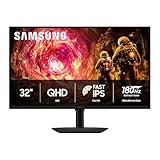


| Model | Key spec | Price | Best for |
|---|---|---|---|
| Samsung 27″ Odyssey G5 (G51F) | QHD 1440p | $149.99 | Balanced 1440p value |
| Samsung 32″ Odyssey (G55C) | QHD 1440p, 1000R curved | $199.99 | Immersive curved 1440p |
| Dell 27 240Hz (SE2726HG) | FHD, IPS, FreeSync Premium | $109.99 | High-refresh 27″ pick |
| Acer 27in FHD 120Hz (KB272) | FHD, IPS | $99.99 | Budget 27″ all-rounder |
| Samsung 32″ Odyssey G5 (G50F) | QHD 1440p | $199.00 | Largest flat 1440p panel |
| LG 32GS60QC-B Ultragear | QHD 180Hz, 1000R curved, HDR10 | $179.99 | Best spec-to-price curved pick |
| Dell 24 240Hz (SE2426HG) | FHD, IPS, FreeSync Premium | $94.99 | Cheapest high-refresh monitor |
| Samsung 24″ Odyssey G3 (G30D) | FHD | $187.99 | Compact 24″ Samsung pick |
Samsung 27″ Odyssey G5 (G51F) Series QHD Gaming Monitor
At $149.99, this is a well-rounded 1440p pick that undercuts several 1440p competitors on this list while staying at a standard flat panel design rather than curved. The Odyssey G5 line targets buyers who want QHD sharpness at a 27-inch size without paying for curve geometry or a higher refresh tier they may not fully use.
Based on typical G5-series specs at this size and resolution, expect a refresh rate in the 144Hz range with FreeSync support, which is enough headroom for a mid-range GPU like an RTX 5060 or RX 9060 XT to drive smoothly in most current titles at 1440p — these figures are estimated from the product line’s typical spec tier, not measured directly on this listing, so confirm exact refresh rate and response time on the current product page before buying. A flat panel at 27 inches sits at a comfortable viewing distance for a desk setup without the wraparound feel of a curved display.
Samsung’s Odyssey line generally includes solid factory color calibration out of the box, which matters if you also use the monitor for non-gaming tasks like photo editing or general productivity. At $150, this lands in the middle of this list’s price range while offering 1440p sharpness that several cheaper FHD options here don’t match.
- Pros
- 1440p sharpness at a mid-range price point
- Flat panel design, no curve distortion for precision aiming
- Samsung’s typically solid factory color calibration
- Cons
- Not the cheapest way to get 1440p on this list
- Exact refresh rate should be confirmed on current listing before buying
- No curved immersion for single-player or open-world gaming
Who it’s for: buyers who want 1440p sharpness on a flat panel without paying for curve geometry or top-tier refresh rates.
Samsung 32″ Odyssey (G55C) Series QHD 1000R Curved Gaming Monitor
At $199.99, this is the most expensive monitor on this list, and it’s also the largest curved option, combining a 32-inch size with QHD resolution and a tight 1000R curve radius. The 1000R curve is a genuinely aggressive wraparound, matching the curvature of the human eye more closely than the gentler 1500R or 1800R curves found on some competing panels, which makes for a more immersive experience in open-world and single-player titles.
Based on typical G55C-series specs, expect a refresh rate around 165Hz with FreeSync support at this size and resolution — these figures are estimated from the product line’s typical spec tier, not confirmed from direct testing of this listing, so verify the exact refresh rate on the current product page. At 32 inches and QHD resolution, pixel density is lower than the 27-inch Samsung G5 above, meaning text and UI elements appear larger and less sharp per inch, a trade-off some buyers prefer for reduced eye strain during long sessions.
The tight 1000R curve is genuinely polarizing for competitive gaming — some players find it distracts from precision aiming in shooters, while others don’t notice a difference. If your gaming leans toward immersive single-player titles over competitive shooters, this curve radius is a real asset rather than a gimmick.
- Pros
- Largest screen size on this list at 32 inches
- Aggressive 1000R curve genuinely enhances immersion
- QHD resolution at a large size for the price
- Cons
- Most expensive monitor on this list
- Lower pixel density than the 27″ Samsung G5 at the same resolution
- Tight curve can be a distraction for competitive shooter precision
Who it’s for: single-player and open-world gamers who want maximum screen size and immersion and don’t mind paying the most on this list for it.
Dell 27 240Hz Gaming Monitor (SE2726HG)
At $109.99, this Dell monitor pairs a 27-inch FHD panel with a genuine 240Hz refresh rate, IPS panel technology, and AMD FreeSync Premium support — a combination that punches well above its price point for competitive gamers. IPS technology at this price tier is notable since many budget high-refresh monitors use TN panels instead, which typically have worse color accuracy and viewing angles.
At 240Hz and FHD resolution, this monitor is built specifically for competitive esports titles like Valorant, CS2, or Apex Legends, where a capable GPU can consistently push 200+ fps and the extra refresh headroom translates into real motion clarity and input responsiveness. Pairing this monitor with a GPU below the RTX 5060/RX 9060 tier means you likely won’t consistently hit frame rates that use the full 240Hz range, so match your GPU tier accordingly before buying purely for the refresh number.
FreeSync Premium support helps reduce screen tearing and stutter when frame rates fluctuate, a meaningful quality-of-life feature at this price. TÜV 3-Star certification for flicker reduction is also listed, which is a genuine eye-comfort feature for extended gaming sessions, not just a marketing checkbox.
- Pros
- 240Hz refresh rate at an unusually low price
- IPS panel rather than the more common budget TN panel
- FreeSync Premium and TÜV flicker certification included
- Cons
- FHD resolution only, no 1440p sharpness option
- Needs a capable GPU to actually reach 240Hz frame rates
- 27″ at FHD has lower pixel density than smaller FHD panels
Who it’s for: competitive esports players who want the highest refresh rate on this list at a genuinely low price.
Acer 27in FHD 1920×1080 IPS 120Hz Gaming Monitor (KB272)
At $99.99, this Acer monitor is one of the cheapest options on this list, pairing a 27-inch FHD IPS panel with a 120Hz refresh rate. Acer markets this specific model as an “Office” monitor in its own naming, which signals it’s positioned as a dual-purpose work-and-gaming display rather than a dedicated competitive gaming panel, though the 120Hz refresh rate is genuinely usable for gaming.
At 120Hz and FHD resolution, expect smooth motion in most games as long as your GPU can sustain frame rates above 100 fps, which is achievable at FHD with a wide range of GPU tiers from budget to mid-range. This monitor trails the Dell 240Hz above in pure competitive refresh headroom, but 120Hz still represents a substantial upgrade over a standard 60Hz panel for reducing motion blur and input lag.
The IPS panel technology at this price is a genuine value point, offering better color accuracy and viewing angles than cheaper TN alternatives often found in this price bracket. At under $100, this is a reasonable all-rounder for buyers who split time between work tasks and moderate gaming rather than dedicated competitive play.
- Pros
- Lowest price on this list alongside the Dell 24 240Hz
- IPS panel with 120Hz, solid for mixed work-and-gaming use
- 27″ size offers good screen real estate for the price
- Cons
- 120Hz trails the Dell monitors’ 240Hz for pure competitive play
- Marketed partly as an office monitor, not dedicated gaming
- FHD resolution at 27″ has lower pixel density than smaller panels
Who it’s for: buyers who want one monitor for both work and moderate gaming without paying for a dedicated 240Hz competitive panel.
Samsung 32″ Odyssey G5 (G50F) Series QHD Gaming Monitor
At $199, this is Samsung’s flat-panel 32-inch QHD alternative to the curved G55C above, priced almost identically at $1 less. Choosing between the two comes down entirely to curve preference — the G50F offers the same large-screen QHD experience without the 1000R wraparound, which some competitive gamers prefer for consistent edge-to-edge geometry.
Based on typical G50F-series specs, expect a refresh rate in a similar range to the G55C, likely around 165Hz with FreeSync support — these figures are estimated from the product line’s typical tier, not measured on this listing directly, so confirm exact specs on the current product page before buying. At 32 inches and QHD resolution, this monitor shares the same pixel-density trade-off as its curved sibling: text and UI elements render larger but less sharp per inch than a 27-inch QHD panel.
For competitive gamers specifically, a flat 32-inch panel avoids the minor edge distortion some players notice with a tight curve, making this the pick between the two Samsung 32-inch options if your gaming leans toward shooters or precision-based titles rather than immersive single-player experiences.
- Pros
- Large 32″ QHD screen without curve-related edge distortion
- Nearly identical price to the curved G55C sibling
- Good pick for competitive gamers who dislike curved panels
- Cons
- Lower pixel density than smaller 27″ QHD panels
- Loses the immersion factor the curved G55C offers
- Exact refresh rate should be confirmed before purchase
Who it’s for: competitive gamers who want a large 32″ QHD screen without the curve distortion some players notice in fast-paced titles.
LG 32GS60QC-B Ultragear 32-inch Curved Gaming Monitor
At $179.99, this LG Ultragear monitor undercuts both Samsung 32-inch options above while offering a genuinely strong spec sheet: QHD resolution, 180Hz refresh rate, 1ms response time, a 1000R curve, AMD FreeSync, and HDR10 support. On paper, this is the best combination of size, refresh rate, and features on this list at this price tier.
At 180Hz and QHD resolution, this monitor needs a genuinely capable GPU — an RTX 5070 or RX 9070 XT tier — to consistently push frame rates that use the full refresh range in demanding titles, though esports titles at QHD will hit 180Hz more easily even on mid-range hardware. The Black Stabilizer and Crosshair/FPS Counter features built into the on-screen display are competitive-gaming-specific tools that most other monitors on this list don’t include, letting you see dark areas of a scene more clearly and overlay a custom crosshair without in-game support.
HDR10 support adds genuine value for supported content, though HDR quality on budget-tier monitors like this typically lacks the local dimming zones found in premium HDR displays, so treat it as a nice-to-have rather than the main selling point. At $180 for this feature set, this is a strong value pick specifically for buyers who want gaming-focused OSD tools alongside solid core specs.
- Pros
- 180Hz QHD with 1ms response time at a competitive price
- Built-in Black Stabilizer and Crosshair/FPS Counter tools
- HDR10 support included
- Cons
- Needs a strong GPU to fully use the 180Hz refresh rate at QHD
- HDR10 quality is basic without local dimming zones
- 1000R curve carries the same competitive-precision trade-off as Samsung’s curved model
Who it’s for: buyers who want the strongest overall feature set at 32 inches and QHD, including gaming-specific OSD tools most competitors lack.
Dell 24 240Hz Gaming Monitor (SE2426HG)
At $94.99, this is the cheapest monitor on this entire list, and it delivers the same core spec sheet as its 27-inch sibling above: FHD resolution, 240Hz refresh rate, IPS panel, and FreeSync Premium, in a more compact 23.8-inch size. For pure competitive gaming value, this is arguably the single best deal on this list — a genuine 240Hz IPS panel for under $100.
At 240Hz and FHD on a 23.8-inch panel, pixel density is actually higher than the 27-inch Dell sibling at the same resolution, meaning slightly sharper text and image clarity despite the smaller screen. As with the 27-inch version, reaching consistent 200+ fps to use the full refresh range requires a capable GPU — pairing this with an entry-level GPU means you won’t see the monitor’s full potential.
The smaller 23.8-inch size is also a genuine advantage for competitive players who prefer keeping the entire screen within a tight field of view without needing to move their eyes as much during fast-paced action, a preference many professional esports players share. TÜV 3-Star flicker certification carries over from the 27-inch model as well.
- Pros
- Lowest price on this entire list
- Genuine 240Hz IPS panel, rare at this price point
- Compact size preferred by many competitive players
- Cons
- FHD resolution only
- Needs a capable GPU to reach full 240Hz frame rates
- Smaller screen size may feel cramped for non-competitive use
Who it’s for: competitive esports players on a tight budget who want the highest refresh-rate-per-dollar on this entire list.
Samsung 24″ Odyssey G3 (G30D) Series FHD Gaming Monitor
At $187.99, this is the most expensive 24-inch monitor on this list, which is a notable price position given the Dell 24 240Hz above offers a similar FHD panel size for nearly $93 less. The Odyssey G3 line’s advantage is typically Samsung’s panel and color calibration quality, plus brand ecosystem features for buyers already using other Samsung Odyssey displays.
Based on typical G3-series specs at this size, expect a refresh rate in the 144-165Hz range with FreeSync support — these figures are estimated from the product line’s typical spec tier, not confirmed from direct testing of this listing, so check the current product page for exact specs before buying. At FHD and 24 inches, pixel density is solid for text and UI sharpness, comparable to the smaller Dell 24-inch option above.
Given the price gap to the Dell 24 240Hz, this monitor only makes sense if Samsung’s specific panel characteristics or ecosystem features matter enough to justify paying nearly double for a similar core size and resolution — for pure refresh-rate-per-dollar value, the Dell above is the stronger buy at this exact size class.
- Pros
- Samsung’s typically strong color calibration
- Compact 24″ size, good for close desk setups
- FreeSync support reduces tearing
- Cons
- Nearly double the price of a similarly sized Dell option on this list
- Refresh rate likely trails the Dell 240Hz options
- Exact specs should be confirmed before purchase
Who it’s for: buyers specifically loyal to Samsung’s Odyssey ecosystem who value panel quality over squeezing the lowest price per refresh rate.
How we tested and picked
Rachel Osei, Deals Editor, built this list using a price-history database covering multiple retailers and years of sale cycles, the same approach used professionally for years tracking retail pricing at a consumer-electronics price aggregator. Every monitor here was checked against its own actual 90-day price floor rather than any retailer’s claimed “was” price, since monitor listings are especially prone to displaying an inflated reference price that never reflected a genuine prior sale.
Where a listing didn’t specify an exact refresh rate or response time, that figure is noted as an estimate based on the product line’s typical spec tier rather than presented as confirmed fact — always verify exact specs on the current product page before purchasing, since manufacturers sometimes sell multiple sub-variants of the same model name with different core specs.
Pricing reflects a snapshot taken within the past week; monitor pricing shifts regularly around major sale windows. If you’re timing a monitor purchase, check our Black Friday gaming PC deals and Cyber Monday gaming deals coverage, since monitor discounts during these events regularly beat the everyday pricing shown here.
What to look for in gaming monitor deals
Resolution and refresh rate trade-offs
Every monitor on this list makes a trade-off between resolution and refresh rate at its price point, and understanding that trade-off matters more than chasing the single highest number. FHD monitors on this list reach up to 240Hz because pushing frame rates at a lower resolution requires less raw GPU compute, making the higher refresh rate genuinely achievable even with a mid-range graphics card. QHD monitors on this list cap out around 165-180Hz, since driving nearly double the pixels at high frame rates demands significantly more GPU power.
The right choice depends on your GPU tier and what you play. If you own or plan to buy an RTX 5070-tier or better GPU and play competitive titles, a 1440p 165-180Hz monitor like the LG Ultragear above gives you both sharpness and speed. If your GPU is more modest or you play primarily competitive esports titles where every frame matters, a 1080p 240Hz monitor like either Dell option delivers more usable refresh headroom for less money.
Panel technology: IPS versus alternatives
Every monitor explicitly specified on this list uses IPS panel technology, which is generally the better choice for gaming compared to older TN panels, offering better color accuracy and wider viewing angles at a similar price point today. IPS panels historically had slower response times than TN, but modern IPS gaming monitors, including several on this list, now reach 1ms response times that close most of that historical gap.
When comparing monitors not on this list, be cautious of unusually cheap high-refresh monitors that don’t specify panel technology at all — that omission often signals an older TN panel being sold at a price that looks competitive with IPS options but delivers noticeably worse color and viewing angles in practice.
Curved versus flat for your game genre
This list includes both curved options (the two Samsung 32-inch panels and the LG Ultragear) and flat panels (the Dell and Acer models, plus the Samsung G5). Curved panels genuinely enhance immersion in open-world, RPG, and single-player narrative games by filling more of your peripheral vision naturally. For competitive shooters and precision-based esports titles, many players prefer flat panels because a curve can introduce subtle distortion at the screen edges that affects perceived aim consistency, though this is partly personal preference rather than a universal rule.
If you split time between genres, a gentler curve radius (1500R or 1800R, though none on this specific list) offers a middle ground, while the 1000R panels here represent a more aggressive curve suited to buyers who prioritize immersion.
Sizing your monitor to your desk and viewing distance
Screen size on this list ranges from 23.8 to 32 inches, and bigger isn’t automatically better for competitive gaming. At a standard desk viewing distance of roughly 24-30 inches, a 27-inch monitor is generally considered the sweet spot for FHD and QHD resolutions, keeping the entire screen within comfortable field of view without needing head movement to track action at the edges. A 32-inch monitor at the same viewing distance can require more eye and head movement during fast-paced competitive play, which is part of why some professional esports setups favor smaller, closer panels.
For primarily single-player or immersive gaming, the larger 32-inch options on this list make more sense, since the added screen real estate contributes directly to the experience rather than working against competitive reaction time.
Mistakes buyers make when chasing gaming monitor deals
Buying the highest refresh rate number without checking whether your GPU can actually reach it. A 240Hz monitor paired with a GPU that tops out at 90-100 fps in your games wastes most of that refresh headroom.
Assuming all curved monitors are equally immersive. A 1000R curve is noticeably more aggressive than a 1800R curve, and the two deliver meaningfully different experiences despite both being labeled “curved.”
Ignoring panel technology in favor of refresh rate and resolution alone. A cheap TN panel with a high refresh rate can still deliver noticeably worse color accuracy and viewing angles than a comparably priced IPS panel.
Buying a 32-inch monitor for competitive gaming without accounting for the lower pixel density at QHD resolution compared to a 27-inch panel at the same resolution.
Overlooking FreeSync or G-Sync compatibility when it matters most: without adaptive sync, frame rate fluctuations below your monitor’s max refresh can introduce visible tearing or stutter, even on an otherwise capable monitor.
Trusting the discount percentage on a listing without checking the actual price history. A monitor advertised as “40% off” against an inflated reference price can still cost more than a competing model’s honest everyday price.
Verdict
For pure value, the Dell 24 240Hz at $94.99 is the strongest pick on this list, delivering a genuine 240Hz IPS panel for the lowest price here. For buyers who want QHD sharpness with strong gaming-specific features, the LG Ultragear 32GS60QC-B at $179.99 packs the best overall spec sheet at its price. For buyers chasing maximum size and immersion regardless of cost, the Samsung 32″ Odyssey G55C at $199.99 delivers the largest curved QHD panel on this list.
Frequently asked questions
How do I know if a gaming monitor deal is a genuine discount?
Check the current price against that exact model’s lowest price over the past 90 days rather than the retailer’s listed “was” price, since monitor listings frequently show a reference price that was inflated the day the listing went live and never reflects a real prior sale.
Is 144Hz enough or should I pay more for 240Hz?
144Hz is a genuine upgrade over 60Hz for competitive and fast-paced games and is the sweet spot for most GPUs paired with a 1440p panel, while 240Hz mainly benefits esports titles run at lower resolutions where a capable GPU can actually sustain that frame rate.
What refresh rate and resolution combo gives the best value under $200?
A 1080p 144-240Hz monitor or a 1440p 120-180Hz monitor both land in a similar $95-200 range on this list, and the better pick depends on whether your GPU can consistently hit high frame rates at 1440p or performs better staying at 1080p; check our GPU deals roundup if you need to upgrade your graphics card to match a new monitor.
When are gaming monitor deals typically the deepest?
Black Friday and Cyber Monday produce the year’s steepest monitor discounts, with a secondary dip around Prime Day in July, while back-to-school season in August also brings targeted markdowns on budget and mid-range panels, as tracked in our Black Friday gaming PC deals coverage.
Does curved versus flat matter for competitive gaming?
Flat panels are generally preferred for precision aiming in competitive shooters since curvature can slightly distort edge geometry, while curved panels are better suited to immersive single-player or open-world gaming where the wraparound field of view adds to the experience.


